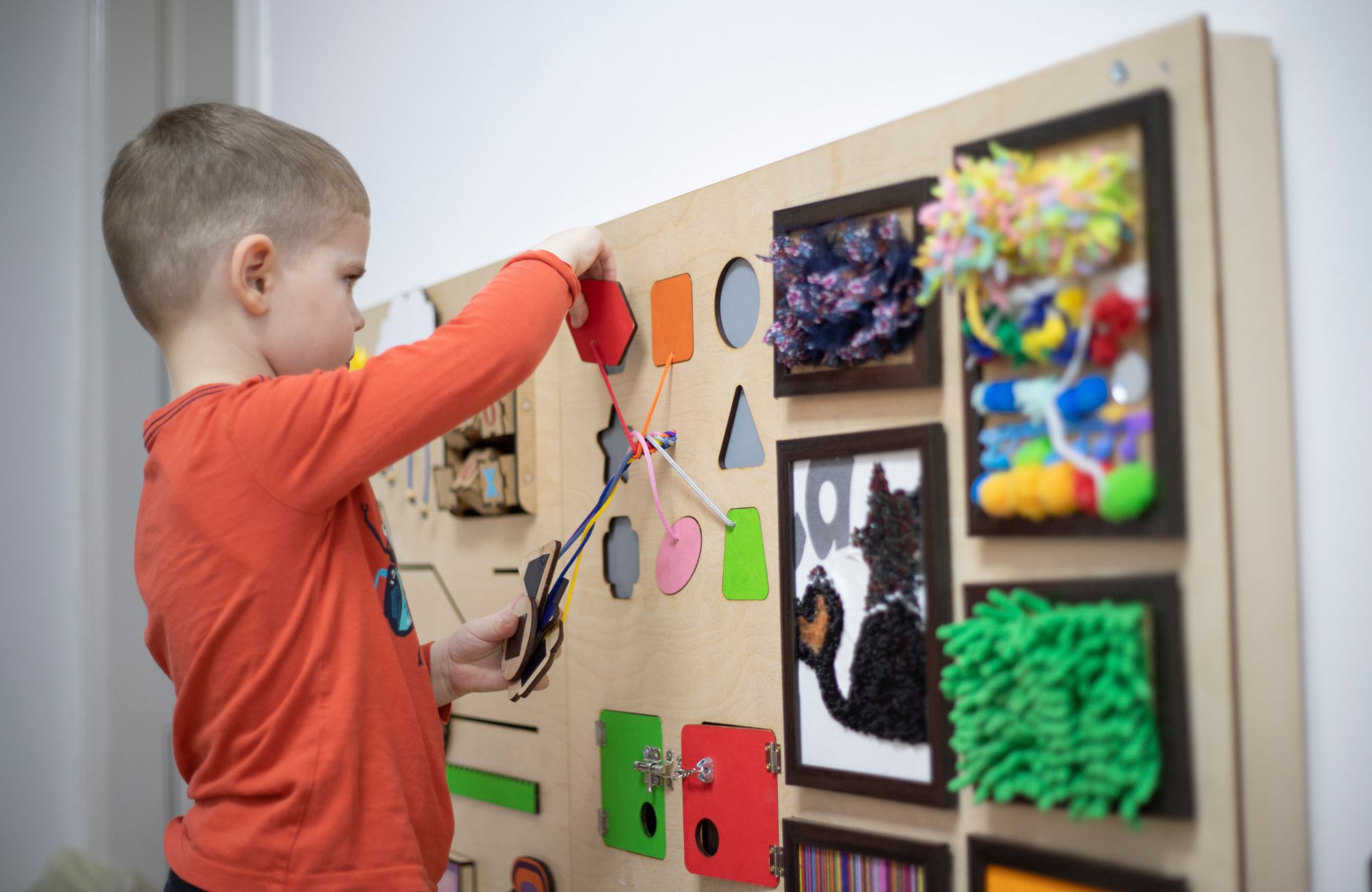
Occupational therapy for autism at home helps children build everyday skills in an environment where they feel most comfortable. For many families in New Providence and throughout Union County, in-home sessions create a calm, familiar setting that supports real progress.
Our therapists work closely with children and families to strengthen fine motor skills, sensory processing, social interaction, and daily living skills. Each therapy session is designed around your child’s unique needs, focusing on building independence, confidence, and comfort within the home.
Home-based care allows children to learn through play and real-life experiences, making therapy more meaningful and practical for both the child and family members involved.
Table of Contents
ToggleWhy Try Occupational Therapy at Home?
For children with autism, the environment plays a major role in how they learn and engage. A comfortable and familiar setting often makes therapy more effective by reducing stress and improving participation. In-home therapy also gives parents a direct role in supporting their child’s growth.
Comfort and Familiarity
When therapy happens at home, children feel secure and more open to learning. The natural setting helps them connect new skills to daily life, whether it’s playing with siblings, eating meals, or following a morning routine.
Parent Involvement
In-home sessions encourage active parent participation. Families in Summit, New Providence, and surrounding Union County areas can observe sessions, learn strategies, and practice activities between visits to help reinforce progress.
Real-Life Skill Application
Because therapy happens in your home environment, children practice skills that directly fit into their daily routines, like brushing teeth, buttoning clothes, or cleaning up toys. The result is a consistent, real-world improvement that extends beyond the session itself.
Core Areas of Occupational Therapy Addressed
Occupational therapy at home focuses on key developmental areas that improve a child’s ability to function independently in daily life.
Fine Motor Skills
Activities like play-dough rolling, buttoning shirts, or handling small objects help children strengthen the small muscles needed for writing, cutting, and self-care tasks.
Gross Motor Skills
Fun, movement-based exercises like animal walks, crab walks, or tossing bean bags help improve muscle strength, coordination, and balance essential for posture and physical confidence.
Sensory Processing
Many autistic children have difficulty interpreting sensory input such as touch, sound, or movement. Therapists often use sensory bins, shaving cream play, or obstacle courses to help children explore different textures and enhance body awareness in a safe, playful way.
Self-Care and Daily Living Skills
Tasks like dressing, grooming, or eating independently are built into each session. By practicing these skills in real-life situations, children become more confident in their ability to handle everyday activities.
Social and Communication Skills
Through guided play and turn-taking games, children learn how to express themselves, share, and build meaningful connections. These moments encourage better communication and emotional regulation.
7 Effective At-Home Occupational Therapy Activities
Parents often ask how they can support therapy between sessions. The following activities are simple, evidence-based ways to strengthen your child’s skills right at home.
Before starting, make sure your child has a safe space to move and explore. Keep sessions short and positive, adjusting to your child’s age and sensory preferences.
| Activity | Purpose | How to Do It |
|---|---|---|
| Sensory Bin Exploration | Enhances tactile senses and focus | Fill a bin with rice, beans, or cotton balls. Hide small toys or coins and have your child find them using touch alone. |
| Obstacle Course | Improves coordination and problem-solving | Use pillows, tape, and chairs to create paths for crawling, balancing, or jumping. |
| Play Dough Shapes | Builds fine motor and hand strength | Roll, pinch, and mold shapes. Hide small objects inside for extra fun and tactile learning. |
| Button or Zipper Practice | Strengthens self-care and dexterity | Use clothing or boards to practice fastening and unfastening. |
| Animal Walks | Boosts body awareness and muscle strength | Have your child move like animals, crabs, bears, or frogs, to improve coordination and endurance. |
| Sorting Games | Encourages attention and organization | Sort everyday items like utensils or socks by color or size to enhance focus and visual-motor skills. |
| Snack Preparation Tasks | Promotes independence in daily life | Let your child help wash fruit, pour juice, or set the table to develop practical life skills. |
These occupational therapy activities are easy to do at home and integrate naturally into your child’s daily routine. To keep your child motivated, focus on engaging activities that combine play and learning, such as obstacle courses, sensory bins, or simple sorting games. These hands-on experiences capture a child’s attention while supporting skill development and confidence. By turning everyday moments into engaging activities, families can make home therapy fun, consistent, and more effective in building lasting progress.
How Parents Can Support Progress at Home
Family involvement is one of the strongest influences on how well a child responds to therapy. When parents take an active role in their child’s development, it reinforces progress made during sessions and creates consistency across home and community settings. For families in Union County, home-based programs allow parents to be part of each milestone, from helping with simple tasks to encouraging new communication or play skills. Even when working with one child at a time, these small, consistent efforts make a powerful difference in how children learn and grow within family life.
Create a Routine
Schedule regular practice times that fit into your child’s daily routine. Even 10 to 15 minutes a day can make a lasting impact.
Encourage, Don’t Pressure
Keep sessions positive. Focus on effort, not perfection. Children learn best through encouragement and repetition.
Track Progress
Document what your child enjoys, what challenges them, and any changes you notice. Share updates with your occupational therapist to guide future sessions.
Collaborate with Your Therapist
ABA therapists provide ongoing parent coaching, helping families implement in-home therapy techniques safely and effectively. This teamwork ensures consistent progress between visits.
Common Challenges in Home Therapy (and How to Overcome Them)
At-home therapy has many advantages, but it can come with unique challenges. Understanding them helps families stay consistent and confident.
Short Attention Spans
Keep sessions short and engaging. Add movement breaks or use preferred toys to maintain interest.
Limited Space
Small spaces can still work. Transform a living room corner into a sensory area or use hallway stretches for coordination skills practice.
Parental Fatigue
Share responsibilities between family members when possible. Communicate openly with your therapist to set realistic goals that fit your lifestyle.
Technique Uncertainty
ABA providers offer hands-on parent training so families in Union County feel confident supporting their child between visits. You’re never alone; our team guides you every step of the way.
Occupational Therapy vs. ABA Therapy
While both occupational therapy and ABA therapy help children on the autism spectrum, they focus on different but complementary aspects of development. Occupational therapy is designed to help children manage everyday tasks and daily activities by improving sensory integration, motor coordination, and independence. It provides children with the skills they need to participate fully in family life, school routines, and play. Through a personalized approach, therapists focus on hand-eye coordination, language skills, and play skills to help each child understand and interact with their world in meaningful ways.
ABA therapy, on the other hand, targets behavioral issues and communication through structured, data-driven reinforcement. It’s especially effective for helping kids learn how to manage emotions, follow directions, and build positive habits that improve learning and behavior. While occupational therapy may be center-based or offered at home, ABA therapy can take place in-home, at school, or within the community. When these two approaches work together, many children experience better understanding, stronger communication, and lasting progress that supports every aspect of their development, from mastering simple tasks to building social skills and confidence in daily life.
| Aspect | Occupational Therapy | ABA Therapy |
|---|---|---|
| Focus | Develops life skills, sensory integration, and independence | Improves behavior, communication, and learning |
| Approach | Sensory and motor-based skill building, play-based learning | Data-driven behavioral reinforcement and structured sessions |
| Setting | In-home or center-based environments | In-home, school, or community settings |
| Goal | Enhanced participation, hand-eye coordination, and confidence in daily activities | Behavior improvement, stronger language skills, and mastery of daily routines |
The Importance of Consistency and Generalization in Home Therapy
One of the greatest advantages of at-home occupational therapy is the ability to promote consistency and generalization, the process by which children learn to apply new skills in real-life situations beyond therapy sessions. Many children with autism benefit from repeating activities in familiar settings, which helps them connect what they learn during therapy to their daily routines. For example, a child might practice hand-eye coordination with play skills during therapy and later apply those same movements when stacking toys or helping set the table.
Consistency between sessions also helps children retain what they’ve learned. When parents and caregivers reinforce therapy goals during regular family activities like dressing, mealtime, or outdoor play, it deepens understanding and accelerates progress. Even one child practicing simple routines daily can show remarkable improvement in communication, self-care, and confidence. Generalization turns isolated therapy exercises into lifelong abilities, helping children thrive both at home and in the broader world.
Conclusion
Occupational therapy for autism at home allows children to learn, grow, and build independence in a familiar environment surrounded by family support. For many families in New Providence and across Union County, home-based sessions offer the consistency and comfort children need to thrive. When guided by experienced therapists who understand each child’s strengths and challenges, at-home therapy becomes a powerful foundation for confidence, communication, and lifelong skills.
At Apple ABA, we provide compassionate, evidence-based ABA therapy tailored to your child’s unique developmental goals. Serving families throughout New Providence, Summit, and the greater Union County area, our team specializes in customized in-home ABA programs, early assessments, and parent training designed to make therapy accessible and effective. Contact us today to learn more about our flexible, family-centered services and schedule a consultation with a licensed ABA home therapist.
FAQs
How often should occupational therapy sessions happen at home?
Most children attend two to three therapy sessions weekly. The frequency may vary depending on your child’s needs, age, and therapy goals.
Can parents perform OT activities without a therapist?
Parents can safely practice basic activities, but professional guidance ensures proper technique and safety. ABA therapists in Union County provide easy-to-follow home exercises tailored to your child’s abilities.
What equipment do I need for at-home OT?
You don’t need special tools. Common items like bean bags, play dough, or various textures (cotton balls, sand, shaving cream) can be used to make therapy fun and engaging.
How do I know if my child is improving?
Look for subtle changes, better coordination, improved focus, or new independence with self-care. Your therapist will also track data and share progress updates during each occupational therapy session.
Can insurance cover in-home therapy sessions?
Yes, many insurance plans cover in-home ABA therapy in New Providence and across Union County. Our ABA enrollment team assists families through every step of the insurance approval process.