Supporting a child with autism often means managing daily routines that can feel overwhelming at times. Tasks such as getting dressed, brushing teeth, following directions, or transitioning between activities may require extra structure and patience. A daily living skills for autism checklist helps families understand which skills to focus on and how to support steady progress at home without adding unnecessary pressure.
For families in Green Township and throughout Sussex County, New Jersey, daily living skills are often a central focus of in-home ABA therapy. Practicing skills in familiar environments makes learning feel more natural and easier to maintain. Rather than measuring success or failure, a checklist helps identify strengths, highlight areas needing support, and guide realistic goal-setting. This guide explains what daily living skills are, why they matter, and how a checklist can support independence and confidence over time.
What Are Daily Living Skills for Children With Autism?
Daily living skills are the practical abilities people use to manage everyday life. For children with autism, these skills often require direct teaching and consistent practice. Support is typically tailored to each child’s learning style and needs. Daily living skills are also known as life skills, functional skills, or adaptive skills. These abilities play an important role in building long-term independence.
These functional life skills go beyond completing individual tasks. They include understanding routines and managing sensory input in daily environments. Children also learn how to apply skills across settings such as home, school, and the community. Examples include personal care, communication skills, household tasks, and safety awareness. Developing these abilities helps children build confidence and participate more fully in everyday life.
Why a Daily Living Skills Checklist Helps Families
Many families know their child needs support with daily routines, but feel unsure where to begin. When expectations are unclear, it is easy to feel overwhelmed or stuck reacting to challenges. A daily living skills checklist creates a clear process for identifying needs and focusing on building skills over time. It helps families move from uncertainty toward intentional support that reflects a person’s strengths. This approach supports steady progress without pressure.
A checklist helps families assess current abilities, track new skills, and maintain consistency across home, school, and community settings. It supports learning that grows with the child, from early routines to goals related to independent living and adulthood. Families can use it to support social connection, leisure skills, and everyday responsibilities such as managing medical care or learning to pay bills. Progress may happen quickly for some skills and more slowly for others. Used alongside helpful resources or professional programs, a checklist supports learning in a structured and supportive environment.
Daily Living Skills for Autism Checklist (By Skill Area)
Below is a practical breakdown of daily living skills commonly addressed in autism support programs. Before reviewing each list, it helps to think about your child’s current ability level, sensory needs, and daily environment. Skills should always be taught gradually and adjusted to match the child’s strengths.
Self-Care and Personal Hygiene
Self-care activities are often one of the earliest focus areas because they directly impact comfort, health, and daily routines. These skills are typically introduced at a young age and refined over time.
Common self-care skills include:
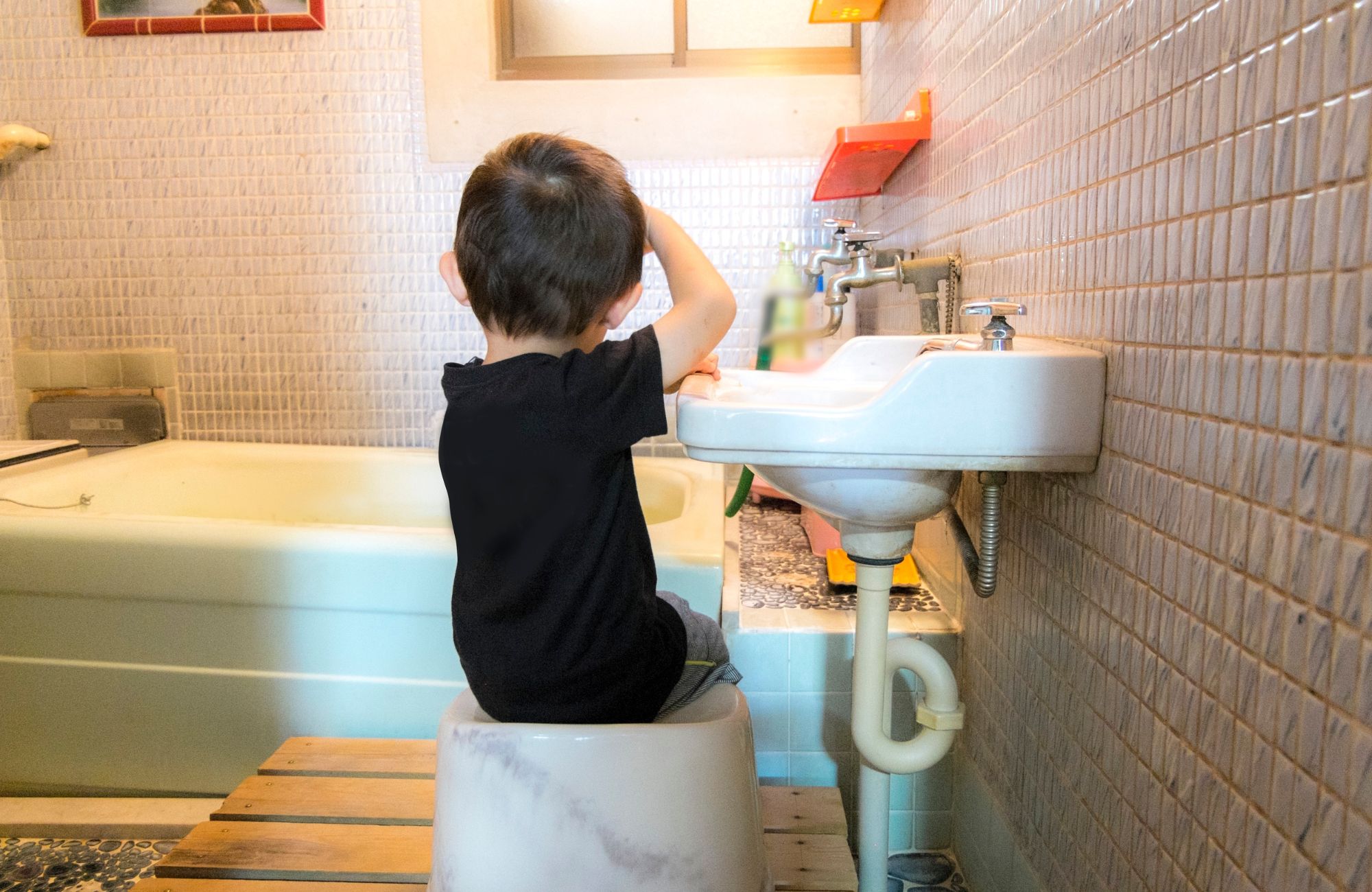
- Washing hands independently
- Brushing teeth with support or prompts
- Bathing or showering routines
- Dressing and undressing
- Using the toilet and managing hygiene afterward
These skills may require visual supports, modeling, or breaking tasks into smaller steps. Sensory sensitivities can also play a role, especially with textures, water temperature, or grooming tools.
Home and Household Skills
Household routines help children understand responsibility, structure, and organization within the home. These skills also promote independence as children grow older.
Examples of household skills include:
- Cleaning up toys or personal belongings
- Following simple chore routines
- Using household appliances safely with supervision
- Organizing backpacks or school materials
These tasks support everyday functioning and prepare children for more complex responsibilities later in life.
Communication and Functional Skills
Functional communication supports independence across nearly all daily activities. Children who can express needs, ask for help, or follow instructions often experience fewer frustrations.
Important functional skills include:
- Asking for help appropriately
- Following one- or two-step directions
- Expressing basic needs and preferences
- Understanding visual schedules or cues
Strong communication skills support success in school, social activities, and home routines.
Community and Safety Skills
As children spend more time outside the home, safety awareness becomes increasingly important. These skills help children navigate public spaces with greater confidence.
Examples include:
- Recognizing unsafe situations
- Understanding basic traffic safety
- Waiting appropriately in public spaces
- Identifying trusted adults
Community skills support long-term independence and safety, especially as children move toward adolescence and adulthood.
Daily Living Skills Checklist by Age Range
One major challenge families face is knowing which skills to prioritize at different stages. While every child develops at their own pace, age-based guidance can help families assess progress, set realistic expectations, and reduce the feeling of being overwhelmed. Focusing on building skills gradually allows families to support their loved one in ways that feel manageable and meaningful over time.
Preschool-Age Children (Ages 3–5)
At this stage, the focus is on teaching life skills through simple routines and everyday interactions. Learning often happens through play, imitation, and repetition in a supportive environment where children feel safe exploring new skills. Emphasizing basic self care, following simple instructions, and transitioning between activities helps children begin developing independence with hygiene routines while building confidence in the learning process.
School-Age Children (Ages 6–12)
As children enter school, daily living skills expand to support independence across different settings. Building skills during this stage often involves helping children manage school routines, complete multi-step tasks, and maintain consistency at home and in the classroom. Communication skills, leisure skills, and opportunities for social connection become increasingly important, allowing children to engage with interests while strengthening confidence and responsibility.
Teens and Young Adults (Ages 13+)
During adolescence, daily living skills shift toward real-world application and preparing autistic adults to live independently. This stage often focuses on developing independent living skills, learning financial literacy concepts such as saving money or paying bills, and building comfort with public transportation or travel training. Self-advocacy and communication skills also play a larger role, helping young adults navigate medical care, relationships, and community responsibilities. Progress is often supported through consistent practice, access to helpful resources, and professional programs that reinforce skills within a structured and supportive environment.
How ABA Therapy Supports Daily Living Skills at Home
ABA therapy plays a key role in teaching daily living skills by breaking complex tasks into manageable steps. Instead of expecting mastery all at once, therapists focus on skill development through repetition and reinforcement.
In-home ABA therapy is especially effective because skills are practiced where they naturally occur. Washing hands in the home bathroom, preparing snacks in the kitchen, or following morning routines allows learning to feel relevant and meaningful.
ABA therapists often use strategies such as:
- Task analysis to teach skills in smaller steps
- Visual supports to guide routines
- Positive reinforcement to encourage independence
- Practice across different settings to support generalization
For families in Green Township and nearby Sussex County communities, in-home services allow learning to blend into everyday life rather than feeling separate from it.
Teaching Daily Living Skills at Home Between Sessions
Families play an important role in reinforcing daily living skills outside of therapy sessions, especially through consistency and repetition at home. Skills are more likely to stick when children practice them during familiar routines rather than isolated practice times. Starting with realistic expectations helps reduce pressure and allows learning to happen at a comfortable pace. Introducing skills gradually makes it easier for children to understand what is expected without becoming overwhelmed.
Helpful strategies often include using visual schedules to support predictability, practicing skills during everyday tasks, and providing clear, simple instructions. Focusing on effort rather than perfection encourages continued participation and confidence. When learning happens naturally throughout the day, children are more likely to generalize skills across different settings. A supportive approach helps build independence while keeping routines calm and manageable.
When to Seek Professional Support
While many families work on daily living skills independently, there are times when professional support can make a meaningful difference. If routines feel consistently overwhelming or progress seems stalled, additional guidance may help bring clarity and direction. Seeking support does not mean something is wrong; it often reflects a thoughtful step toward better understanding a child’s needs. Professional insight can help families feel more confident in the process.
Professional assessments can help identify which skills are developmentally appropriate, how to prioritize goals, and which strategies best match a child’s learning style. In-home ABA therapy can provide structured support while maintaining flexibility within family routines. For families in Green Township and surrounding Sussex County areas, professional guidance can help turn daily challenges into manageable, achievable goals that support long-term independence.
Conclusion
Daily living skills play an essential role in helping children with autism build confidence, independence, and consistency in everyday routines. With the right structure, patience, and support, these skills can develop gradually in ways that feel achievable for both children and families. Using a daily living skills checklist helps identify strengths, guide goal-setting, and create meaningful progress at home, school, and in the community. When learning is personalized and practiced in familiar environments, children are better supported in developing skills that carry into long-term independence.
At Apple ABA, we are dedicated to providing compassionate, evidence-based ABA therapy tailored to each child’s unique needs. Serving families throughout New Jersey, including Sussex County and surrounding communities, our experienced team delivers personalized in-home therapy designed to support communication, daily living skills, and long-term independence. With flexible scheduling, comprehensive assessments, and ongoing collaboration with parents, we focus on measurable, real-world progress. Contact us today to learn how our specialized in-home ABA services can support your child’s development and help you take the next step forward with confidence.
FAQs
What are the 10 daily life skills?
Daily life skills include hygiene, dressing, eating, communication, household tasks, safety awareness, time management, money skills, social interaction, and community participation. These skills support independence and help individuals manage everyday responsibilities. Priority skills often depend on age, ability, and personal strengths.
What are the activities of daily living for autism?
Activities of daily living include washing hands, brushing teeth, dressing, toileting, preparing simple meals, and following routines. These tasks may require structured teaching and visual supports. Consistent practice helps build confidence and independence.
What is the ABC checklist for autism?
The ABC checklist tracks behavior patterns using Antecedent, Behavior, and Consequence. It differs from a daily living skills checklist, which focuses on routines and independence. Both tools support understanding behavior when used appropriately.
What is an example of a daily routine for autism?
A daily routine may include waking up, hygiene tasks, meals, school preparation, leisure time, and bedtime routines. Visual schedules help children understand expectations. Predictable routines often reduce anxiety and improve follow-through.
Can ABA therapy help with daily living skills?
ABA therapy helps teach daily living skills using structured, step-by-step instruction. Therapists focus on independence while respecting individual learning needs. In-home therapy supports skill use in everyday routines.