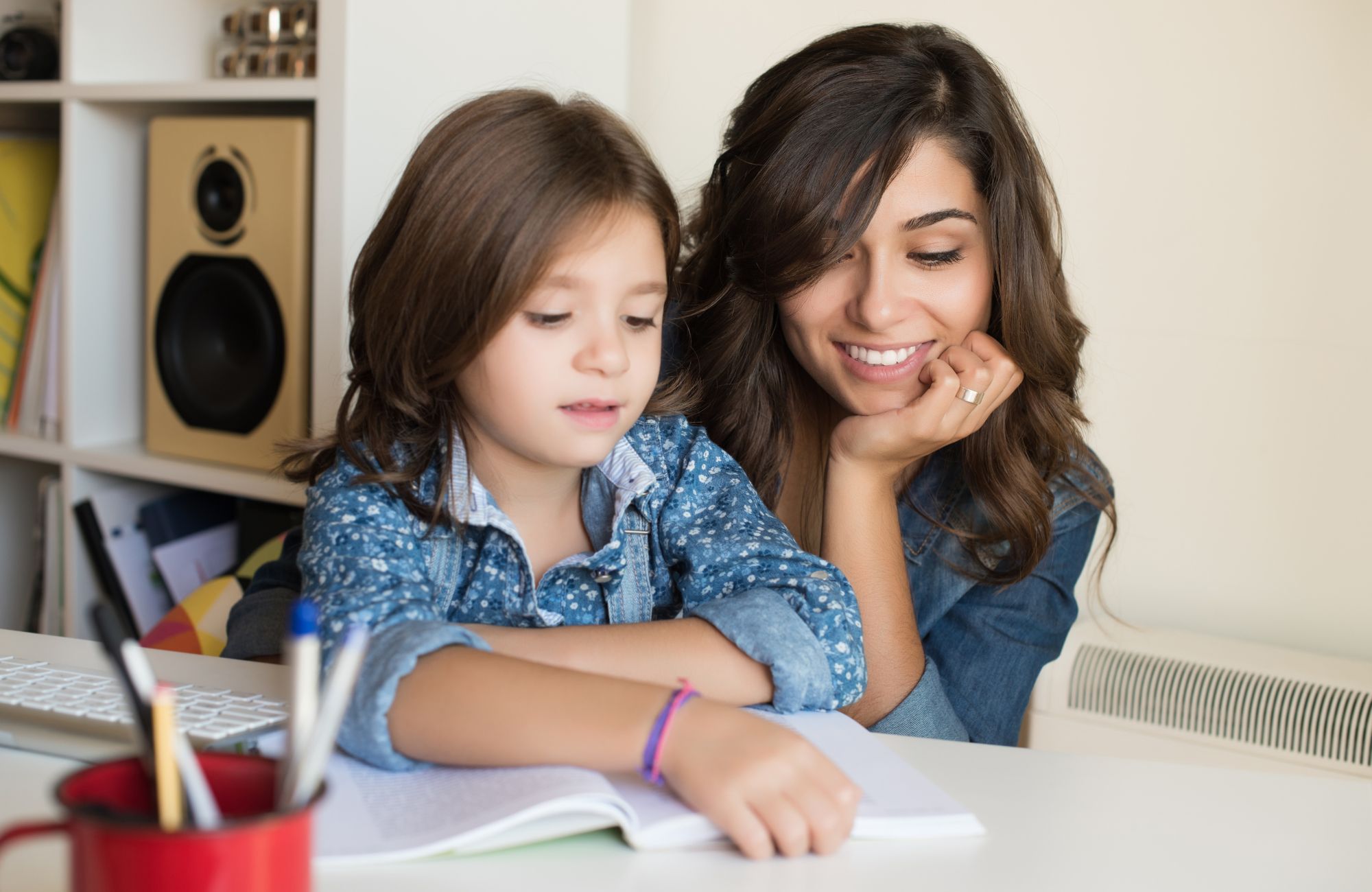
Teaching social skills to an autistic child can feel overwhelming for many parents. While social interaction may develop naturally for some children, children with autism often need skills to be taught directly, practiced intentionally, and supported consistently. With the right strategies and structure in place, meaningful progress is possible. Over time, children can build social skills that support communication, confidence, and participation at home, at school, and in everyday life.
For families in Hamburg, New Jersey and nearby Sussex County communities, learning how to teach social skills at home is often an important first step. In-home ABA therapy can further support this process by turning daily routines into meaningful learning opportunities. This guide explains how to teach social skills to an autistic child using practical, realistic strategies parents can apply at home, while also highlighting when professional support may help strengthen progress.
Why Social Skills Can Be Challenging for Autistic Children
Social skills involve much more than speaking. They include understanding facial expressions, reading nonverbal cues, recognizing emotions, and adjusting behavior based on social rules. For many children with autism, these skills do not develop naturally and often need to be taught directly through structured practice and repetition.
Autistic children may experience social challenges because their brains process communication and sensory input differently. Skills such as taking turns, interpreting tone of voice, or knowing how to begin an interaction may require intentional teaching. Social situations can also feel unpredictable or overwhelming, especially when multiple people or expectations are involved. Understanding these differences helps parents approach social skills development with patience, clarity, and realistic expectations.
What Social Skills Should Be Taught First
Teaching foundational skills is often the most effective way to begin learning how to teach social skills to an autistic child. Early intervention helps children understand basic social rules, recognize non verbal cues, and practice simple peer social initiations in low-pressure settings.
These early steps support social skills training by allowing teaching students to focus on one new skill at a time rather than managing multiple demands. When skills are introduced gradually, autistic people are more likely to build confidence and reduce problem behaviors. This approach also supports self esteem as children experience small, meaningful successes.
A strong social skills intervention includes opportunities for role play, behavioral rehearsal, and guided practice with other children. Activities such as board games, group activities, or structured play during the school year can help reinforce new skills in a natural way. Peer mediated interventions allow children to learn from classmates with similar interests, which can support early steps toward making friends.
Teachers and family members play an important role by modeling interactions and using tools like social stories to explain expectations. When teaching is aligned with a child’s individual needs, social development becomes more consistent and effective.
Step-by-Step: How to Teach Social Skills to an Autistic Child
Teaching social skills is most effective when it follows a clear structure. Rather than expecting children to “pick up” social behavior naturally, skills should be taught intentionally through small, manageable steps.
Step 1: Choose One Skill at a Time
Trying to teach multiple social behaviors at once can quickly become confusing. Instead, select one specific skill to focus on. For example, rather than working on “making friends,” start with a smaller goal such as greeting someone or taking turns during a game.
Focusing on one skill allows the child to understand expectations and reduces pressure. It also helps parents track progress more accurately.
Step 2: Break the Skill Into Simple Parts
Every social skill can be broken down into teachable steps. This makes learning more accessible and reduces frustration.
For example, a greeting may include:
- Turning toward the person
- Using a word, sign, or gesture
- Acknowledging the other person
Teaching each part individually allows children to practice successfully even if they are not yet performing the full interaction independently.
Step 3: Practice During Daily Routines
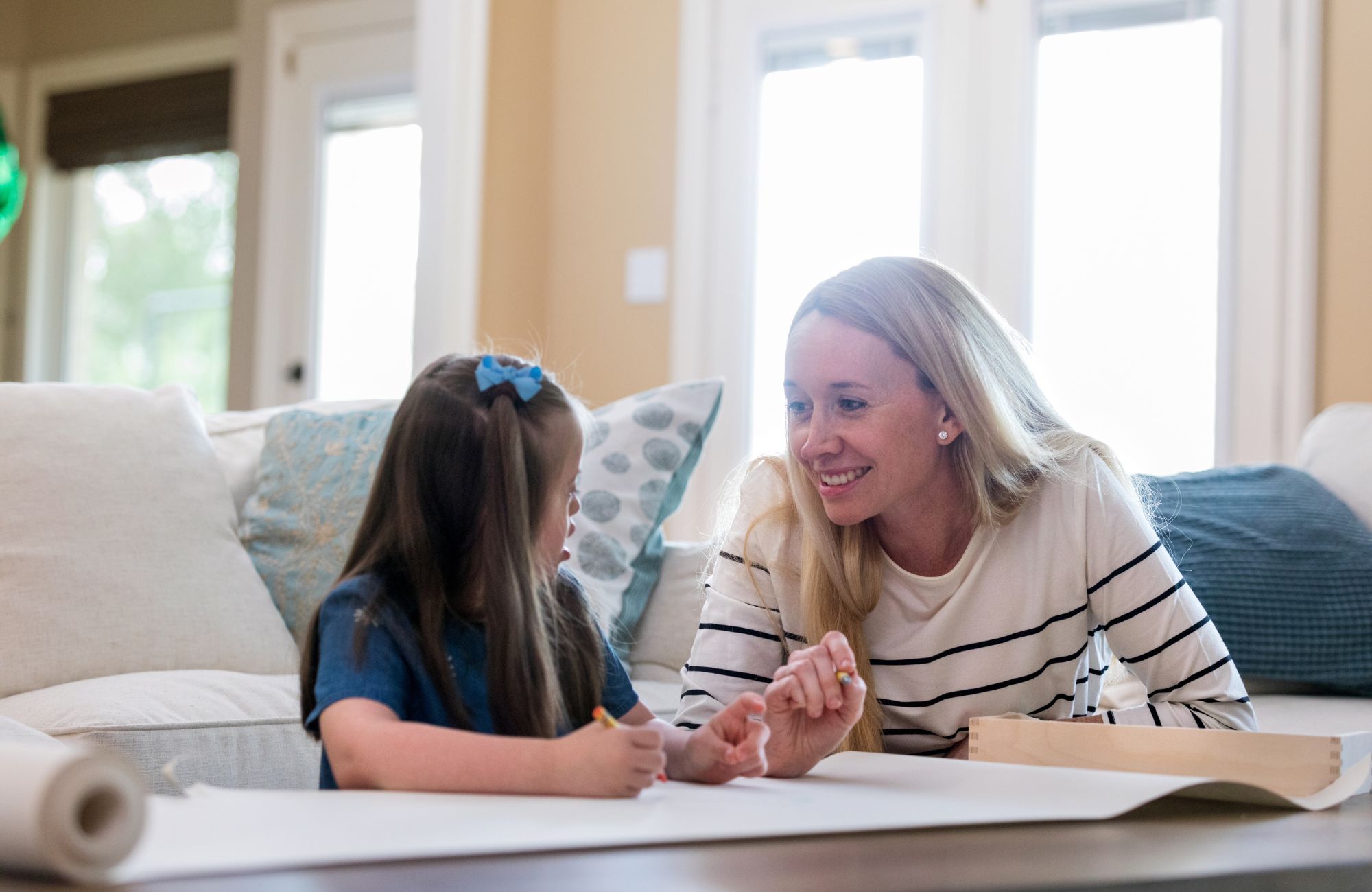
Social skills are best taught in real-life moments rather than isolated drills. Home routines provide natural opportunities to practice social interaction skills without pressure.
Daily moments such as meals, playtime, or leaving the house already involve communication and interaction. These routines make learning feel meaningful and relevant to the child’s life.
Step 4: Use Prompting and Positive Reinforcement
Prompting helps guide the child toward the correct response. This may include verbal reminders, modeling, visual cues, or gentle physical guidance when appropriate.
When the child attempts or completes the skill, immediate positive reinforcement is important. Praise, attention, or preferred activities encourage children to continue practicing and help build motivation.
Step 5: Practice Across People and Settings
Once a skill begins to develop, it should be practiced with different adults, siblings, and environments. This helps children generalize skills beyond one situation and increases confidence during social interactions.
Teaching Social Skills Through Everyday Home Routines
One of the most effective ways to support social skills development is by embedding learning into daily life. Children learn best when skills are practiced consistently and in meaningful contexts.
Home routines offer predictable structure, which helps reduce anxiety and encourages learning. Instead of creating separate teaching sessions, parents can turn everyday moments into opportunities for interaction.
Below are examples of how social skills can be practiced naturally throughout the day:
| Daily Routine | Social Skills Practiced |
|---|---|
| Morning routines | Greetings, responding to name |
| Mealtime | Turn taking, requesting, waiting |
| Playtime | Sharing, cooperation, problem solving |
| Errands | Greeting others, following social rules |
| Family time | Conversation skills, expressing emotions |
These repeated interactions provide ample opportunity for practice without making learning feel forced. Many parents find that progress increases when skills are practiced consistently in familiar settings.
This approach also aligns closely with in-home ABA therapy, which focuses on teaching skills where children naturally live and interact.
What to Do When Social Skills Practice Feels Difficult
Even with consistent practice, teaching social skills can feel challenging at times. Many parents worry when progress seems slow or when their child avoids interaction altogether. These experiences are common and do not mean teaching is failing.
When a Child Avoids Interaction
Some children may appear uninterested in social interaction, especially during early learning. In these situations, reducing expectations and focusing on brief, positive interactions can help.
Parallel play, where a child plays near others without direct engagement, is often a helpful starting point. Over time, small moments of shared attention can develop into more active interaction.
When Social Situations Cause Overwhelm
Social situations can be sensory heavy. Noise, movement, and unpredictability may lead to withdrawal or problem behaviors. When this happens, simplifying the environment and shortening interaction time can make learning feel safer.
Teaching during calm moments helps children associate social interaction with comfort rather than stress.
When Progress Feels Slow
Social skills development often happens gradually. Progress may appear subtle, such as increased eye contact, longer engagement, or fewer avoidance behaviors. These changes are meaningful and should be recognized.
Consistency matters more than speed. Many children benefit from structured support that maintains learning over time.
Building Social Competence Through Emotional Understanding
Learning how to teach social skills to an autistic child involves more than practicing behaviors. Social competence develops as children begin to understand social expectations, respond to different emotions, and navigate interactions with others. Many social difficulties occur when a child struggles to recognize how their actions affect other kids or interpret emotional cues during everyday situations. Focusing on one particular skill at a time helps create clarity and reduces frustration during learning.
An effective intervention supports emotional understanding alongside skill practice. Parents can model empathy, talk through social moments, and label emotions as they naturally occur at home. These strategies help children recognize feelings, respond more appropriately, and build confidence during interactions. Over time, consistent emotional learning strengthens social competence and supports more meaningful connections with peers.
How In-Home ABA Therapy Supports Social Skills Development
In-home ABA therapy can strengthen social skills development when children need more structured support beyond what parents can provide alone. This approach uses evidence-based strategies to teach social interaction skills in a way that aligns with each child’s individual needs. Services often begin with a comprehensive assessment to identify strengths, challenges, and priority goals related to communication and social behavior. Therapists then create individualized treatment plans focused on building peer interaction skills, emotional understanding, and daily communication.
For families in Hamburg, NJ and nearby communities such as Hardyston, Franklin, Vernon, and Sparta, in-home ABA therapy allows learning to take place in a familiar and comfortable environment. Ongoing therapy sessions provide consistent practice within daily routines, while parent training helps caregivers reinforce skills between visits. Progress is monitored regularly so strategies can be adjusted as children develop new skills. This coordinated approach supports meaningful learning that carries over into real-life social situations.
Conclusion
Teaching social skills to an autistic child takes time, patience, and consistent support, but meaningful progress is possible when skills are taught intentionally and practiced in everyday situations. By breaking social behaviors into manageable steps and reinforcing learning during daily routines, families can help their child build confidence, communication, and stronger connections with others. With the right strategies and guidance, social development can become a steady and empowering part of a child’s growth.
At Apple ABA, we provide compassionate, evidence-based ABA therapy tailored to each child’s developmental needs. Serving families across New Jersey, including Walpack, Sussex County, and surrounding communities, our team specializes in personalized in-home ABA programs, comprehensive assessments, and ongoing parent training. We work closely with families to support communication and skill development at home, in school, and in everyday life. Contact us today to learn more about our flexible, family-centered services and schedule a consultation with a licensed in-home therapist.
FAQs
How can I help my autistic child develop social skills?
Parents can help by teaching social skills directly, practicing them during daily routines, and reinforcing progress consistently. Breaking skills into small steps and using real-life examples makes learning easier. Many families also benefit from in-home ABA therapy, which provides structured guidance and parent coaching.
How to help a child with autism calm down in the classroom?
Helping a child calm down often involves identifying triggers, teaching coping strategies, and providing predictable routines. Visual supports, scheduled breaks, and clear expectations can reduce anxiety. Collaboration between parents, school staff, and therapists supports consistency across environments.
How to teach an autistic child at home?
Teaching at home works best when learning is embedded into daily routines. Parents can focus on one skill at a time, use modeling and role play, and reinforce attempts immediately. Structured in-home ABA therapy can help guide teaching strategies and ensure skills are practiced consistently.
What is the 10 second rule for autism?
The 10 second rule encourages adults to pause before prompting or intervening. Giving a child extra processing time allows them to respond independently. This approach supports confidence, communication, and learning without rushing the child.