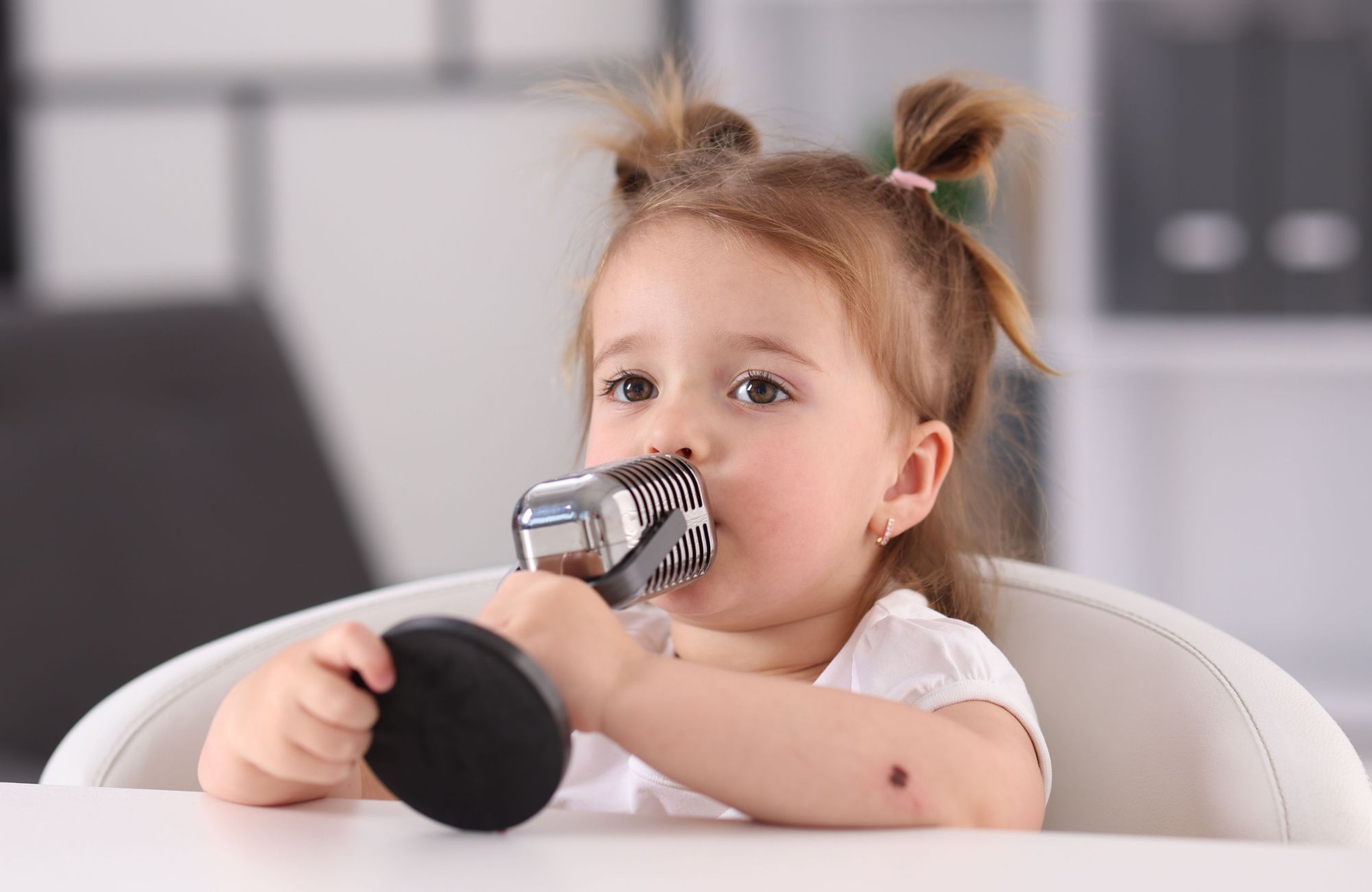
A vocal stim is a repetitive sound, word, phrase, or vocal behavior that may help a person regulate emotions, process sensory input, communicate, or maintain focus. Vocal stimming involves making repetitive sounds such as humming, repeating words, whistling, making sound effects, throat clearing, or saying familiar phrases repeatedly. These stimming behaviors are especially common among people with autism spectrum disorder (ASD) and other neurodevelopmental differences, although people without a diagnosis may also have vocal stims.
Understanding vocal stimming can help parents and caregivers respond to a person’s sensory and emotional experiences with greater awareness. Rather than automatically suppressing vocal stimming, it is often more useful to understand what purpose the behavior serves and whether it affects communication, learning, comfort, mental health, or everyday activities.
What Is a Vocal Stim?
A vocal stim is a form of self-stimulating behavior that involves repeated sounds or speech. Stimming can involve movement, touch, sound, or other forms of sensory stimulation. Vocal or auditory stimming specifically involves making sounds with the mouth, voice, or vocal cords to create predictable auditory input.
Some vocal stims involve language, such as repeating words, phrases, or lines from a favorite show. Others are non-verbal vocal stims and may include humming, clicking, whistling, squealing, grunting, or repetitive throat clearing.
For many people, these repetitive vocal sounds serve a meaningful function. They may provide comfort, support self-soothing, help a person manage sensory input, increase concentration, express excitement, or create predictability during stressful situations.
What Does Vocal Stimming Mean?
Vocal stimming generally means that a person is using repetitive vocal behavior to meet a sensory, emotional, cognitive, or communication need. The same vocal stim can serve different purposes depending on the individual and situation.
For example, a child might hum when a room feels too noisy, repeat a phrase while transitioning between activities, or make repetitive sounds when excited. These behaviors may provide auditory stimulation that helps the person regulate during overwhelming sensory experiences or periods of sensory overwhelm.
Stimming can also help people express emotions when verbal communication is difficult. Because the function can vary, caregivers should consider what happens before and after the behavior rather than focusing only on the sound itself.
Common Vocal Stimming Examples
Vocal stimming examples range from simple sounds to words, phrases, and more complex vocalizations. Some are easy to notice, while others may blend naturally into speech or daily habits.
Common examples include:
- Humming the same tune repeatedly
- Whistling
- Repeating words or short phrases
- Repeating lines from movies, shows, or conversations
- Making animal noises
- Creating repetitive sound effects
- Clicking the tongue
- Repetitive throat clearing
- Singing the same part of a song
- Whispering or repeating phrases quietly
- Making high-pitched or rhythmic sounds
- Repeating sounds when excited, anxious, or overwhelmed
Some people may also engage in excessive throat clearing or other repeated sounds. However, not every repeated vocalization is necessarily a stim, so persistent or concerning symptoms may warrant discussion with an appropriate healthcare professional.
A person’s vocal stimming behaviors may change with age, stress, setting, and sensory needs. Some people use louder vocalizations at home but choose quieter forms of auditory stimming in school, work, or public settings.
Why Do People Vocal Stim?
People may vocal stim for emotional regulation, self-soothing, sensory processing, concentration, communication, or enjoyment. The behavior may increase during excitement, anxiety, boredom, transitions, or overwhelming sensory experiences.
Common functions include:
- Emotional regulation: Repetitive sounds can provide comfort during stress, anxiety, excitement, or frustration.
- Sensory regulation: Vocal sounds may create needed sensory stimulation or help manage competing environmental noise.
- Self-soothing behaviors: Predictable sounds and rhythms may help a person feel calmer or more secure.
- Focus and concentration: Some people find that humming or repeating sounds helps them stay engaged with a task.
- Communication: Vocal stimming may help express emotions, discomfort, needs, or excitement when spontaneous speech is difficult.
- Predictability: Familiar sounds or phrases may create structure during transitions or unfamiliar situations.
- Enjoyment: Some vocal stims simply feel satisfying or enjoyable.
For some people, vocal stimming acts as a coping mechanism during sensory overload or stress. A vocal stim does not automatically indicate distress, however. Context is important when trying to understand its function.
Vocal Stimming in Autism Spectrum Disorder
Vocal stimming is common in autism spectrum disorder and may occur alongside repetitive behaviors and sensory differences. The CDC notes that autistic individuals may repeat words or phrases and respond differently to sounds and other sensory input.
Autism vocal stims may become more noticeable during transitions, sensory overload, social demands, unfamiliar settings, excitement, or emotionally intense moments. A person with sensory sensitivities may also use repetitive sounds to block competing noise or create more predictable sensory input.
An autism stim should not automatically be viewed as a behavior that needs to disappear. If the behavior is harmless and helps the individual regulate, it may simply be part of how that person processes the environment.
When a child’s vocal stimming significantly interferes with communication, learning, sleep, safety, or participation in important activities, families may benefit from identifying triggers and exploring additional ways to meet the same underlying need.
Vocal Stimming in ADHD
Vocal stimming in ADHD may occur when a person seeks additional sensory input to stay attentive, regulate energy, or cope with restlessness. Humming, talking aloud, repeating sounds, singing, or making rhythmic noises may help some individuals remain engaged with a task.
Vocal stimming alone cannot determine whether someone has ADHD, autism spectrum disorder (ASD), or another condition. Similar repetitive behaviors may occur across different neurodevelopmental conditions and anxiety disorders, as well as in people without a diagnosis.
The more useful question is often what function the behavior serves for that individual.
Vocal Stimming vs. Verbal Stimming
Vocal stimming is a broad category that includes repeated sounds made with the voice or mouth. Verbal stimming more specifically refers to repeated spoken words, phrases, or other language.
For example, humming or clicking the tongue would be vocal stimming but not necessarily verbal stimming. Repeatedly saying a favorite phrase could be both vocal and verbal stimming.
Both may support emotional regulation, sensory processing, concentration, or verbal communication. Understanding the purpose of the behavior is usually more helpful than focusing only on the label.
Vocal Stimming vs. Echolalia and Scripting
Vocal stimming, echolalia, and scripting can look similar because each may involve repeated sounds, words, or phrases. However, they are not always the same behavior.
Echolalia involves repeating language that a person has previously heard. ASHA notes that echolalia may serve communication functions and can occur immediately or after a delay.
Scripting often involves using memorized phrases or longer sections of dialogue from shows, conversations, books, or familiar experiences. These scripts may support communication, emotional expression, language processing, or social interactions.
Vocal stimming is broader. It can include repeated speech, but it can also involve non-verbal sounds such as humming, clicking, or whistling.
Because these behaviors can overlap, it is helpful to consider whether the person is trying to communicate, regulate sensory input, process language, or manage emotional experiences.
Vocal Stimming vs. Vocal Tics
Vocal stims and vocal tics can sound similar, but they may occur for different reasons. Vocal stimming is often associated with sensory stimulation, enjoyment, emotional regulation, concentration, or predictability.
Vocal tics are typically involuntary vocalizations associated with tic disorders such as Tourette syndrome. Examples may include coughing, grunting, sniffing, or repeated throat clearing.
Because repetitive throat clearing can occur for several reasons, caregivers should avoid assuming it is automatically stimming. If vocalizations appear suddenly, cause distress, involve excessive throat clearing, or significantly interfere with daily functioning, an appropriate healthcare professional can help determine whether further evaluation is needed.
Vocal Stimming Across Different Ages
Vocal stimming may change as a person develops, becomes more socially aware, or learns additional ways to manage sensory input and communicate.
Young Children
Young children may babble, repeat sounds, imitate animals, sing, squeal, or use repeated words. Because communication skills are still developing, vocal behaviors may serve both sensory and communicative purposes.
Visual aids may help children communicate needs, prepare for transitions, and understand routines when verbal communication is still developing.
School-Age Children
School-age children may use sound effects, repeated phrases, movie quotes, humming, or scripting. Vocal stims may become more noticeable during transitions, difficult schoolwork, excitement, social interactions, or sensory overwhelm.
Providing opportunities to practice communication skills can give children more ways to express discomfort, request breaks, or explain what they need.
Teens and Autistic Adults
Teens and autistic adults may continue vocal stimming while adapting how or where they do it. Some may hum while working, quietly repeat phrases, whisper, sing, or use other subtle vocal behaviors to support concentration and emotional regulation.
The presence of vocal stimming at any age does not automatically mean that the behavior is problematic.
Benefits and Challenges of Vocal Stimming
Vocal stimming can provide meaningful benefits by helping a person regulate emotions, manage sensory input, maintain attention, and communicate internal experiences.
Potential benefits include:
- Supporting emotional regulation
- Providing sensory and auditory stimulation
- Helping with self-soothing
- Reducing stress or anxiety
- Supporting concentration
- Helping express emotions
- Creating comfort and predictability
- Supporting coping during overwhelming sensory experiences
At the same time, some vocal stimming behaviors may become challenging if they cause vocal strain, interfere with communication or sleep, or make participation in certain activities difficult.
Social reactions can create additional difficulties. Autistic people may sometimes feel pressure to replace their natural stims with more socially acceptable behaviors. A more inclusive and supportive environment focuses on the person’s comfort, communication, health, and participation rather than requiring them to appear less autistic.
Should Vocal Stimming Be Stopped?
Vocal stimming does not automatically need to be stopped. If a vocal stim is safe, comfortable, and does not interfere with important activities, it may be a valuable form of self-regulation.
Suppressing vocal stimming simply because it looks or sounds unusual may remove an important coping mechanism without addressing the underlying sensory or emotional need.
Instead, caregivers can ask:
- What happens before the vocal stim?
- Does it occur during stress, excitement, boredom, or sensory overwhelm?
- Does it appear to help with self-soothing?
- Is the person trying to communicate something?
- Does the behavior cause pain or vocal strain?
- Does it significantly interfere with communication, learning, sleep, or safety?
When intervention is appropriate, teaching alternative behaviors should focus on expanding the person’s options rather than replacing harmless stimming for appearance alone.
How to Manage Vocal Stimming When Support Is Needed
Managing vocal stimming starts with understanding its function. Environmental adjustments, communication support, sensory tools, and alternative behaviors may help when the behavior causes discomfort or interferes with everyday activities.
Adjust the Environment
Reducing overwhelming sensory input may decrease the need for certain stims. Helpful changes can include quieter spaces, reduced background noise, predictable routines, visual aids, and opportunities to take sensory breaks.
Sensory tools such as stress balls, noise-reducing headphones, comfortable seating, or designated quiet areas may also help some individuals manage sensory input.
Creating a supportive environment can be especially helpful for people with sensory sensitivities. Instead of expecting the individual to tolerate every difficult setting, caregivers can look for practical ways to reduce unnecessary sensory demands.
Offer Alternative Coping Strategies
Depending on why the vocal stim occurs, other activities may provide similar sensory or emotional support.
These might include:
- Deep breathing exercises
- Rhythmic movement
- Music
- Fidget or sensory tools
- Stress balls
- Quiet humming
- Sensory breaks
- Asking for a break
- Visual communication supports
For some individuals, deep breathing may be useful during anxiety or emotional escalation. However, alternative strategies should complement the person’s existing coping skills rather than automatically replacing harmless self-soothing behaviors.
Support Communication
Some vocal stimming may increase when a child has difficulty expressing needs, discomfort, emotions, or requests. Building functional communication gives the person additional ways to communicate what they need.
Depending on the individual, support may include gestures, pictures, visual aids, speech, augmentative communication, speech therapy, or opportunities to practice communication skills in everyday situations.
Consider Replacement Behaviors Carefully
When a particular vocal stim causes physical discomfort or significantly interferes with an important activity, replacement behaviors may provide another way to meet the same need.
For example, a child who vocalizes loudly to seek auditory stimulation might experiment with quieter sounds, music, or another sensory activity when necessary. Replacement behaviors should be individualized and should not be introduced simply to make a person’s behavior appear more socially acceptable.
How Can ABA Therapy Support a Child Who Vocal Stims?
ABA therapy can help families understand why a child vocal stims and what needs the behavior may serve. An ABA assessment and treatment plan can identify patterns, triggers, communication needs, and areas where extra support may help.
When vocal stimming affects daily activities, ABA therapy services may build communication, coping, and self-regulation skills. In-home ABA therapy also allows children to practice these skills during everyday routines and situations.
Through ABA parent training and caregiver coaching, families can learn supportive strategies to use between sessions. Speech therapy or other services may also help when communication, sensory, or related needs require additional support.
Supporting Vocal Stimming Without Suppressing Self-Regulation
The most supportive response to vocal stimming begins with understanding its purpose. Repetitive behaviors may help a person process sensory input, regulate emotions, concentrate, communicate, or simply experience something enjoyable.
When the behavior is harmless, allowing room for self-regulation can support autonomy and emotional comfort. When vocal stimming causes physical discomfort or significantly interferes with daily life, families and professionals can explore additional coping strategies, communication supports, or replacement behaviors.
Creating an inclusive and supportive environment also means respecting differences in how autistic people communicate and regulate themselves. Support should aim to improve quality of life, participation, and communication rather than eliminate behaviors simply because they appear different.
Conclusion
Vocal stimming can support self-regulation, sensory processing, communication, focus, and emotional comfort for many individuals. Harmless vocal stims do not automatically need to be stopped or replaced. The best approach is to understand the behavior’s purpose and whether it affects daily comfort, learning, or participation.
At Apple ABA, we offer personalized, evidence-based therapy to support self-regulation, communication, and sensory processing. Our expert therapists help children manage vocal stimming supportively while building independence, confidence, and practical daily skills. Contact us today to learn how we can support your child and family.
FAQs
What is a vocal stim?
A vocal stim is a repetitive sound, word, phrase, or vocalization used for regulation, communication, focus, or sensory input. Examples include humming, whistling, repeating words, throat clearing, or making sound effects.
What are common vocal stimming examples?
Common vocal stimming examples include humming, repeating phrases, singing, clicking the tongue, whistling, throat clearing, and making repetitive sounds. Some people may also repeat dialogue from movies, shows, or conversations.
Is vocal stimming a sign of autism?
Vocal stimming is common in autism spectrum disorder, but it does not automatically mean someone is autistic. It can also occur with ADHD, sensory sensitivities, anxiety, and in people without a diagnosis.
What is the difference between vocal stimming and echolalia?
Vocal stimming includes repetitive sounds or speech that may support sensory or emotional regulation. Echolalia specifically involves repeating words or phrases previously heard from another person or source.
Should parents stop a child from vocal stimming?
Harmless vocal stimming usually does not need to be stopped simply because it is repetitive. Support may be helpful when it causes discomfort or significantly affects communication, learning, safety, sleep, or daily participation.