Autism community skills training helps children build the practical abilities they need to function confidently in everyday life. While traditional social skills training may focus on conversation techniques or peer relationships, community-based training goes further by teaching children how to navigate real-world environments such as home routines, public spaces, and social settings with greater confidence and independence.
For many families across New Jersey, including Netcong and Morris County, this type of skill development is essential. Children with autism spectrum disorder often face challenges with communication, sensory processing, and social responsiveness, making real-life practice especially important. At Apple ABA, we provide personalized in-home ABA therapy that helps children strengthen these critical life skills in natural settings through compassionate, concierge-level care with no waitlist.
Table of Contents
ToggleWhat Is Autism Community Skills Training and Behavioral Skills Development?
Autism community skills training is a specialized approach that helps autistic individuals develop functional, real-world abilities needed for independence. Unlike traditional social skills training, which may focus mainly on conversation or eye contact, this approach teaches children how to apply communication, social competence, and behavioral skills in everyday environments such as home, school, and public settings. Often delivered through structured ABA therapy programs, autism community skills training helps children learn specific skills to navigate social situations, follow daily routines, respond to social cues, body language, and facial expressions, and engage more confidently in places like parks, stores, or classrooms.
Previous research in behavioral psychology shows that consistent, real-world practice improves skill acquisition and helps children retain and apply learned skills more independently over time. Effective SST programs often use guided teaching and education strategies to improve social communication, self-confidence, and emotional experiences while preparing participants for successful community engagement.
Why Community Skills Matter for Children with Autism
Community skills play a critical role in helping children with autism spectrum disorder develop independence and confidence in everyday life. Many individuals with autism experience social difficulties, communication breakdowns, or challenges interpreting nonverbal cues, which can make routine interactions feel overwhelming. Strengthening these skills early gives children the tools they need to participate more comfortably in social settings, engage with others, and navigate their environment with greater self-assurance.
Building community skills also supports long-term development by improving mental health, reducing frustration, and increasing a child’s ability to express their needs effectively. Children who receive consistent autism community skills training often show improvements in confidence when interacting with peers and adults, the ability to follow routines in structured and unstructured environments, stronger social behaviors such as making eye contact or initiating conversations, and better emotional regulation in unfamiliar or sensory-rich settings. Studies supported by organizations like the Autism Society highlight that early intervention and ongoing support can lead to significant gains in communication and relational skills, creating more positive daily experiences for both children and their families.
Real-Life Examples of Community Skills Training
One of the biggest advantages of autism community skills training is that it directly applies to everyday life. Instead of focusing only on structured therapy exercises, children practice learned skills in the environments where they naturally occur, helping improve skill acquisition and making it easier to apply those behaviors in real-world situations.
At Home
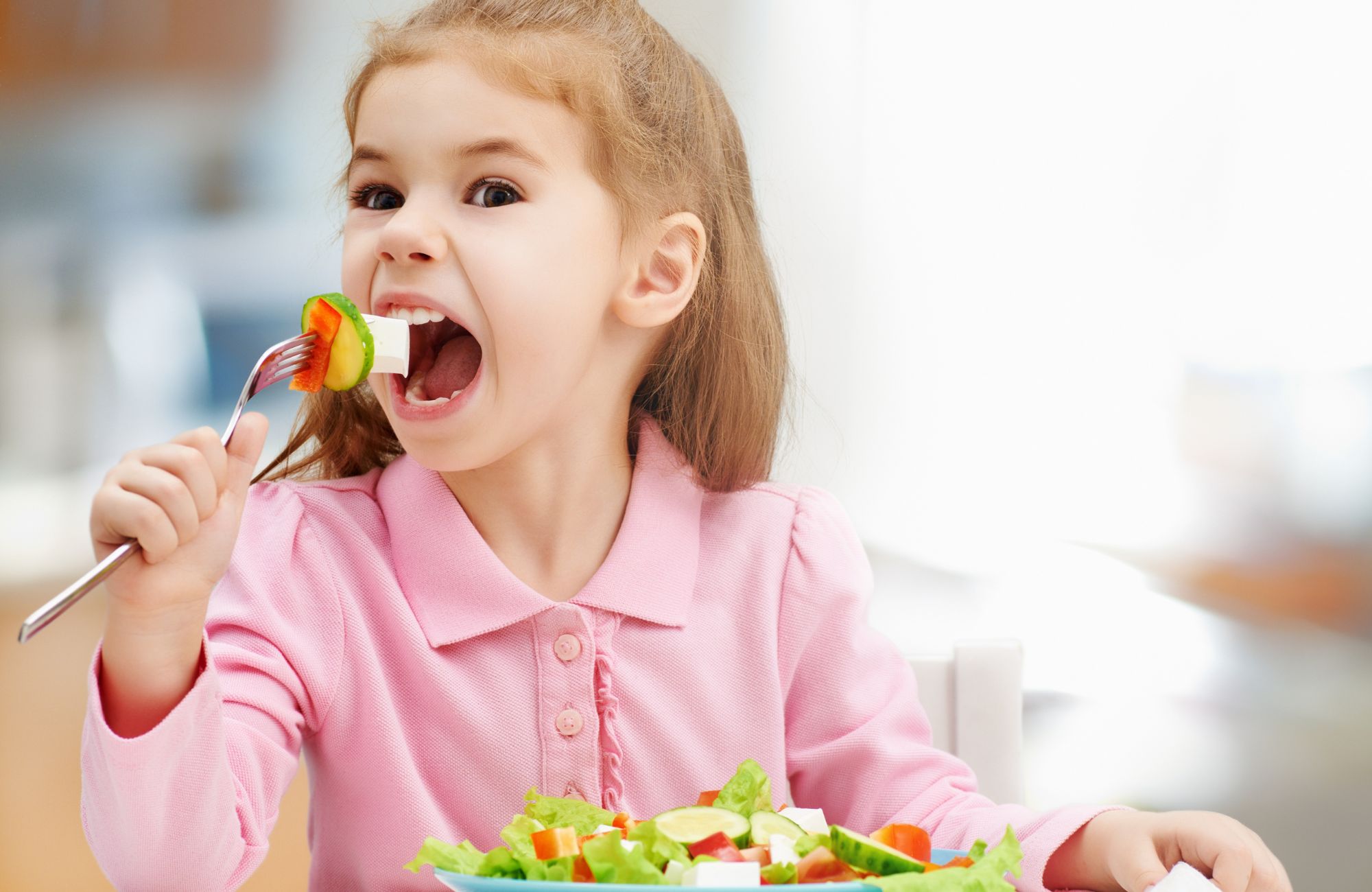
At home, children learn foundational community and life skills that support independence, communication, and daily functioning. Because the home is a familiar and supportive environment, it provides a comfortable setting for children to practice following routines such as getting dressed or cleaning up, communicating needs with family members, and using visual supports or social stories to better understand expectations. These activities help strengthen communication abilities while building confidence in completing everyday tasks independently.
In Public Settings
Public settings present unique challenges for many individuals with autism due to sensory input, unfamiliar people, and unpredictable routines. Autism community skills training helps children navigate these environments by teaching them practical behavioral skills such as ordering food at a restaurant, waiting in line at a store, and understanding social cues in public spaces. Through repeated exposure and guided practice, children can become more comfortable, confident, and independent when participating in community activities.
In Social Environments
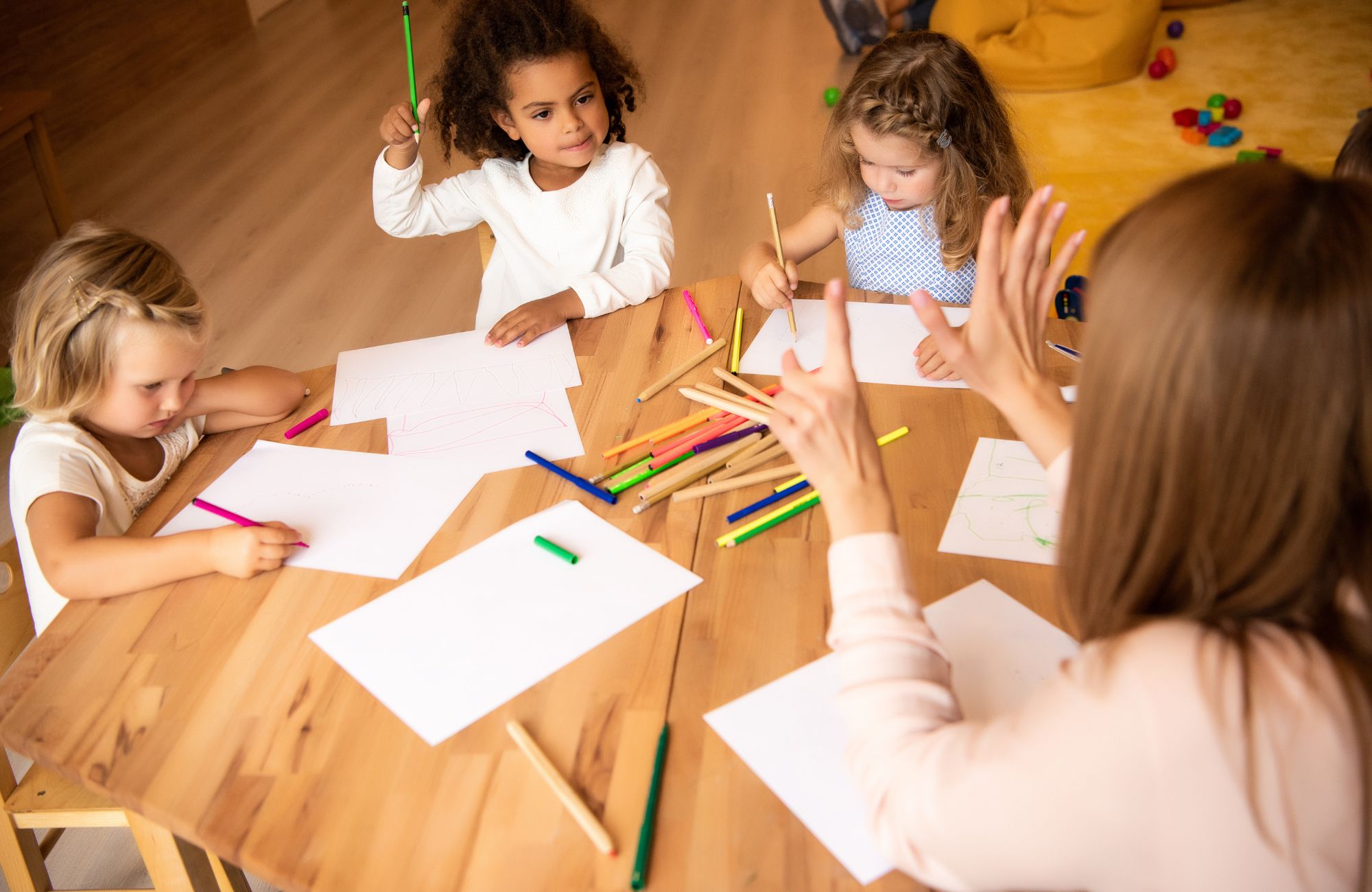
Social environments often require children to use communication, empathy, and social competence all at once, which can be difficult for autistic individuals who struggle with social interactions. In these settings, autism community skills training may focus on teaching children how to initiate conversations with peers, participate in group activities, and recognize body language and facial expressions during interactions. Practicing these social behaviors helps children build stronger peer relationships, improve social responsiveness, and develop meaningful social connections over time.
How ABA Therapy Teaches Community Skills
Applied Behavior Analysis (ABA) is one of the most effective methods for teaching autism community skills training because it uses evidence-based strategies to improve skill acquisition, communication abilities, and behavioral skills. ABA therapy helps autistic individuals build community and life skills step by step while receiving ongoing support from trained professionals.
A typical ABA-based community skills training program includes:
- Assessment: Professionals evaluate the child’s current abilities, challenges, and goals through individual assessment
- Skill Breakdown: Tasks are divided into smaller, manageable steps.
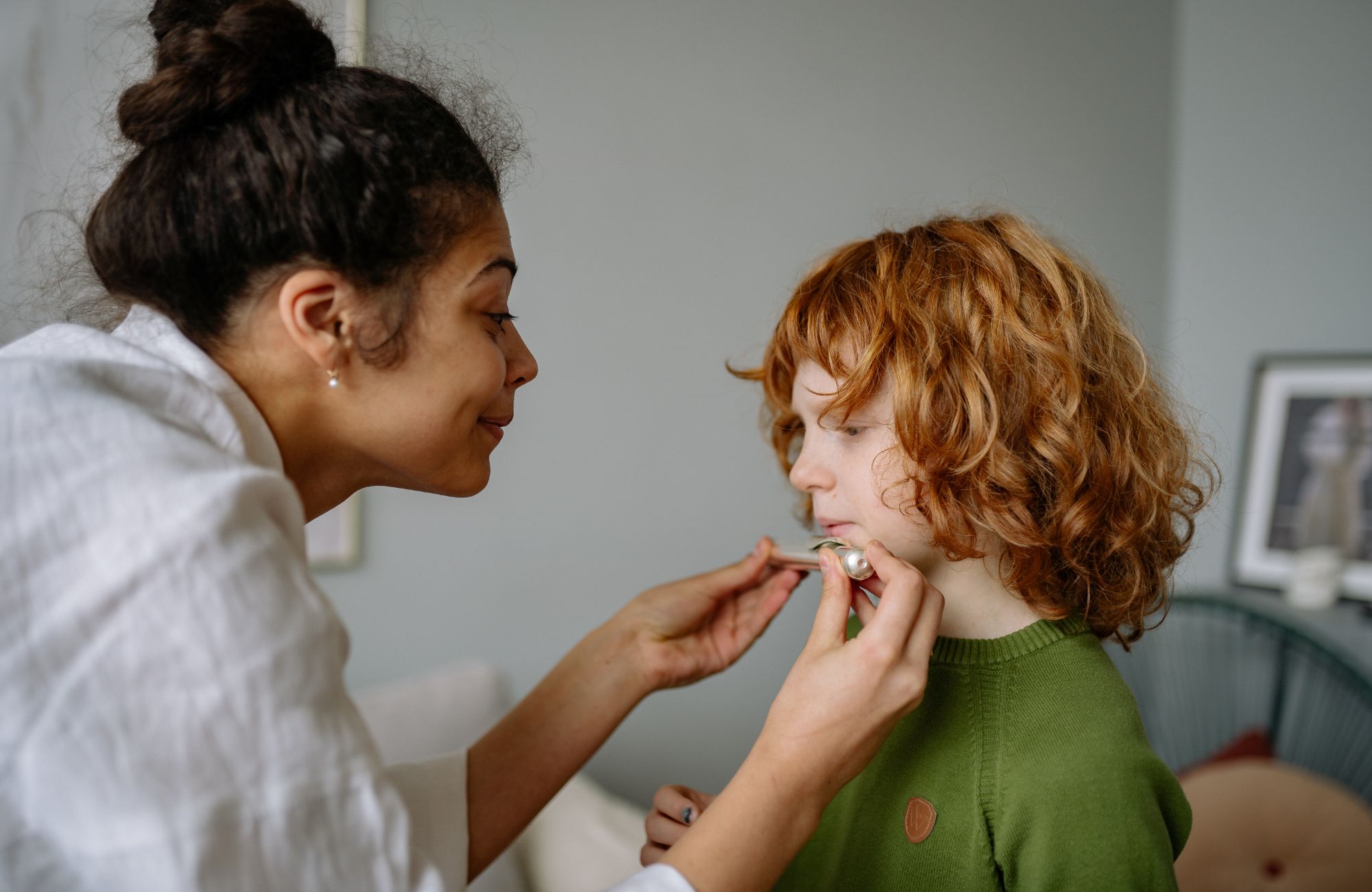
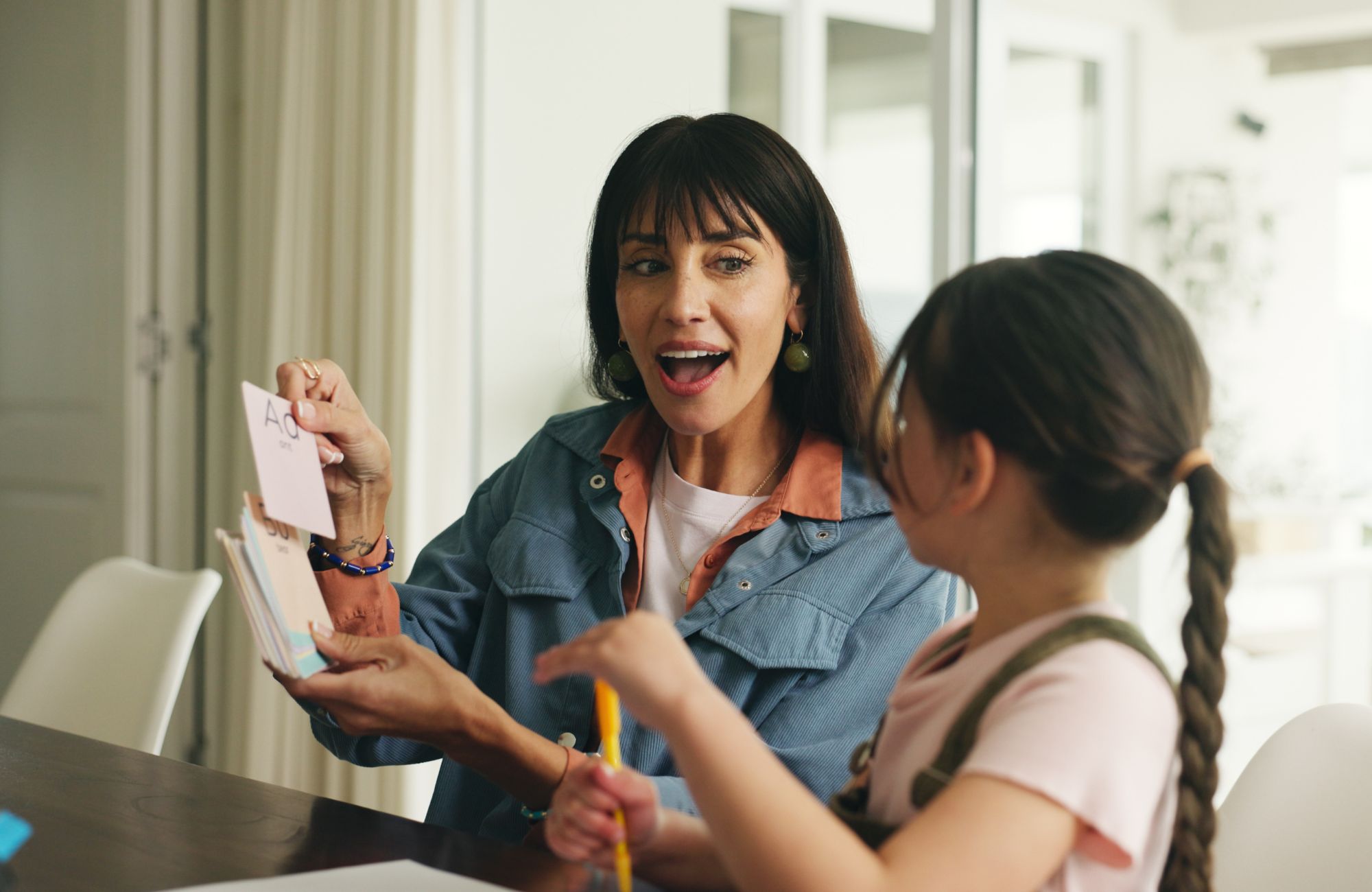
- Modeling and Role Play: Therapists demonstrate behaviors through guided practice and role play.
- Reinforcement: Positive reinforcement encourages progress and motivation.
- Generalization: Skills are practiced in natural settings to improve real-world application.
This structured approach helps individuals with autism strengthen social behaviors, communication, and independence while applying learned skills more confidently in everyday social settings.
How Long Does It Take to Build Community Skills?
Developing autism community skills training takes time, consistency, and repeated practice because every child learns at their own pace. Some children may begin showing progress within a few weeks, while others may need several months of structured support before learned skills become more natural in everyday situations. Growth often depends on the child’s starting abilities, communication level, and how often skills are reinforced across different environments.
Long-term success typically comes from regular practice, ongoing support, and repeated opportunities to apply learned skills in real-world settings. As children continue building communication, behavioral skills, and social confidence, they often become more comfortable navigating social situations, participating in community engagement, and handling daily routines with greater independence. Consistent reinforcement helps strengthen retention and allows those skills to improve over time.
Why In-Home ABA Therapy Works Best for Community Skills
In-home ABA therapy is highly effective for autism community skills training because it allows children to learn and practice community and life skills in natural settings where those behaviors are used every day. Unlike clinic-based programs that rely on simulated environments, in-home therapy helps autistic individuals apply learned skills immediately in real-life situations, improving skill acquisition, retention, and long-term independence while also allowing family members to reinforce communication, social behaviors, and daily living skills throughout the day.
| In-Home ABA Therapy | Clinic-Based ABA |
| Real-life environment | Simulated setting |
| Immediate skill application | Limited generalization |
| Active family involvement | Less caregiver participation |
| Personalized routines | Standardized programs |
Signs Your Child May Benefit From Autism Community Skills Training
Some children naturally need more support when developing the practical and social skills required for everyday independence. While every child progresses differently, certain challenges may indicate that additional autism community skills training could help strengthen communication, behavioral skills, and confidence in real-world environments.
Parents may want to consider structured support if their child frequently struggles with social communication, has difficulty understanding body language or facial expressions, becomes overwhelmed in public settings, avoids peer interactions, or has trouble following routines outside the home. Early intervention can help address these challenges before they create larger barriers to community engagement, independence, and long-term social development.
What Parents Can Do to Support Community Skills at Home
Parents play a critical role in supporting autism community skills training outside of therapy sessions by reinforcing learned skills through daily practice and consistency. Small, intentional efforts at home can help children continue building independence, communication abilities, social communication, and social competence over time while encouraging stronger community engagement in everyday situations.
Parents can support progress by encouraging communication during daily routines, practicing social interactions in low-pressure settings, using visual aids and visual supports to reinforce expectations, and providing positive reinforcement for successful behaviors. By creating supportive environments and working alongside professionals, families can help autistic individuals strengthen community and life skills, improve behavioral skills, and apply learned skills more confidently beyond therapy sessions.
Helping Your Child Build Real-Life Confidence
Autism community skills training is about more than learning social behaviors. It helps children build the confidence, self-confidence, and independence they need to succeed in everyday life while improving their ability to manage emotional experiences, navigate social situations, and participate more comfortably in community settings.
From navigating social situations to completing daily routines, these specific skills create a strong foundation for long-term growth and independence. With ongoing support and structured practice, many individuals with autism can continue improving their communication, behavioral skills, and ability to function successfully in real-world environments over time.
Conclusion
Autism community skills training helps children build the practical, everyday abilities they need to navigate the world with greater confidence and independence. From improving communication and social interactions to developing life skills used at home and in public, this type of training supports long-term growth in ways that directly impact daily life. When these skills are taught consistently in natural settings, children are better prepared to apply what they learn in meaningful, real-world situations.
At Apple ABA, we provide compassionate, evidence-based ABA therapy tailored to each child’s unique needs. Serving families across New Jersey, including Passaic County, Ringwood, Morris County, Riverdale, and nearby communities, our team specializes in personalized in-home ABA programs, comprehensive assessments, and ongoing parent support. We work closely with families to strengthen communication, social, and daily living skills in real-life settings. Contact us today to learn more about our flexible, family-centered services and schedule a consultation with a licensed in-home ABA therapist.
FAQs
How can I help the autism community?
Supporting the autism community involves promoting understanding, inclusion, and access to resources. Families, educators, and community members can make a difference by learning about autism, advocating for supportive environments, and encouraging acceptance. Participating in local programs and supporting organizations like the Autism Society can also help build stronger, more inclusive communities.
What is the 6 second rule for autism?
The 6 second rule is a simple strategy that encourages giving individuals with autism extra time to process information and respond. Many individuals need additional time to understand instructions, especially in social situations. Allowing this pause reduces pressure, supports communication, and helps prevent frustration during interactions.
What is the social skills training program for autism?
A social skills training program focuses on teaching communication, interaction, and behavioral skills through structured methods. These programs often include role play, video modeling, and guided practice to help individuals understand social cues and maintain conversations. When combined with ABA therapy, these programs become more effective by reinforcing skills in natural settings.
How to improve communication skills in autism adults?
Improving communication skills in autistic adults involves consistent practice, structured support, and personalized strategies. Techniques such as visual supports, conversation exercises, and social stories can help strengthen communication abilities. Ongoing support from professionals and family members also plays a key role in building confidence and maintaining progress.