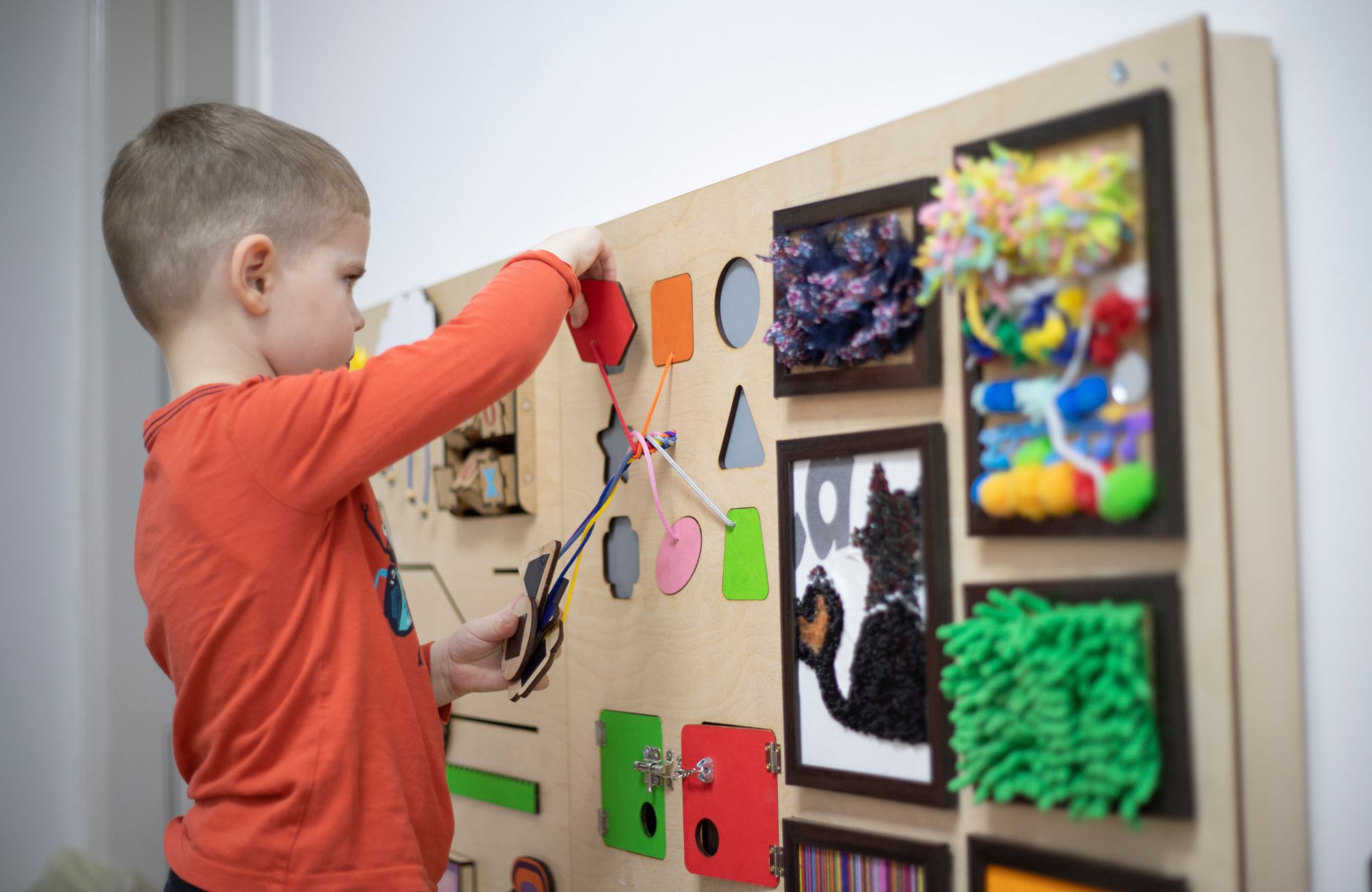
Many families ask, “Is autism a cognitive disability?” but the answer isn’t always straightforward. Autism affects how people think, learn, and process the world, yet it doesn’t always involve intellectual delays. Some individuals have average or even advanced cognitive skills, while others may face learning challenges. Understanding this difference is important because it helps families access the right educational support, therapies, and long-term planning for their child’s needs.
Table of Contents
ToggleWhat is Autism Spectrum Disorder?
Autism Spectrum Disorder (ASD) represents a neurodevelopmental condition characterized by differences in social communication and the presence of repetitive behaviors or restricted interests. The Diagnostic and Statistical Manual of Mental Disorders (DSM-5) provides clinicians’ current framework when diagnosing autism.
Healthcare professionals look for two main areas when diagnosing autism:
Social Communication Challenges:
- Difficulty with back-and-forth conversation
- Problems with nonverbal communication, like eye contact and body language
- Challenges in developing and maintaining relationships
Repetitive Behaviors and Restricted Interests:
- Repetitive motor movements like hand flapping
- Insistence on following the same routine
- Highly focused interests that are intense or unusual
- Under or oversensitivity to sensory input, like loud noises
These symptoms must be present from early development and cause significant challenges in daily life. The Autism Diagnostic Observation Schedule (ADOS) is often used as part of the comprehensive evaluation process.
Cognitive Disabilities vs. Cognitive Disorders
To understand whether autism is a cognitive disability, we need to clarify what these terms actually mean.
Cognitive Disabilities
Cognitive disabilities usually involve below-average intellectual functioning and challenges with everyday life skills. The most common example is intellectual disability, which affects a person’s ability to reason, learn, and solve problems across different areas of life. These conditions often begin in childhood and are long-term. Key signs include an IQ below 70, trouble with daily tasks like communication or self-care, and a need for ongoing support.
Cognitive Disorders
Cognitive disorders, on the other hand, usually refer to acquired conditions that affect mental processes like memory, attention, and executive function. Alzheimer’s disease is a prime example as it involves a decline from previously normal cognitive functioning. These conditions are often progressive and typically appear later in life.
Where Does Autism Fit?
Autism doesn’t fit neatly into the category of cognitive disability. Many autistic individuals have average or above average intelligence, and any cognitive challenges they experience are often selective, not widespread. Children on the spectrum may struggle in some areas while excelling in others, showing unique strengths alongside their difficulties. Autism reflects differences in how the brain processes information rather than a general intellectual impairment.
Instead, autism is classified as a neurodevelopmental disorder. It begins in early brain development and affects several areas of functioning, such as communication, behavior, and social interaction. Rather than indicating cognitive decline, it represents a different developmental path that emerges in early childhood and continues throughout life. This classification helps guide appropriate support and understanding for individuals on the spectrum.
Cognitive Differences in Autism
While autism isn’t a cognitive disability, research has identified specific areas where autistic people may process information differently.
Theory of Mind
Theory of mind refers to the ability to understand that other people have thoughts, feelings, and beliefs different from our own. Many autistic children show differences in this area, which can affect social interactions and communication.
Research using tests like the Sally-Anne test has shown that some autistic people may develop theory of mind skills later or use different strategies to understand mental states. However, this doesn’t mean they can’t learn these skills with appropriate support.
Executive Function
Executive function includes important skills such as working memory, mental flexibility, problem solving, and response inhibition. Some autistic individuals may face challenges in these areas, which can make it harder to plan, stay organized, or adjust to changes in routine. However, these difficulties vary widely from person to person and can often improve with the right supports, such as therapy, coaching, or structured strategies.
Sensory Processing
Many autistic people process sensory information differently. This might mean being overwhelmed by certain textures, sounds, or visual input, or seeking out specific sensory experiences. These differences in perception can affect learning and behavior in different situations.
Common Co-occurring Conditions
It’s important to note that some autistic people do have additional conditions that may affect cognitive function:
- Intellectual Disability: About 30-40% of autistic people also have intellectual disability
- ADHD: Attention difficulties are common and can affect learning
- Anxiety Disorders: Can impact cognitive performance and daily functioning
- Learning Disabilities: May affect specific academic areas
When these conditions co-occur with autism, it’s crucial to address each one appropriately rather than assuming all challenges stem from autism alone.
Treatment Approaches for Cognitive Challenges
Applied Behavior Analysis (ABA)
ABA therapy can help autistic children develop cognitive skills through structured learning approaches. This includes building social cognition and understanding social situations, improving executive function skills like planning and organization, strengthening communication abilities, and teaching effective problem-solving strategies. These targeted interventions can support meaningful progress in everyday life and learning.
Cognitive Remediation Therapy
Cognitive remediation involves targeted exercises designed to improve specific cognitive processes. For autistic individuals, this might include working memory training, attention and focus exercises, social cognition programs, and executive function coaching. These supports are often personalized to meet each person’s unique needs and goals, helping them build skills for everyday situations.
Other Therapeutic Approaches
- Speech-Language Therapy: Helps with communication challenges and social language skills. It supports clearer expression and stronger interaction with others.
- Occupational Therapy: Addresses sensory processing differences and daily living skills. It helps children build independence in everyday routines.
- Behavioral Therapy: Supports the development of adaptive behaviors and coping strategies. It encourages positive actions and better emotional regulation.
Strengths and Abilities in Autism
It’s crucial to recognize that autism involves cognitive differences, not just deficits. Many autistic people demonstrate remarkable abilities in:
- Detail-oriented processing: Exceptional attention to detail and pattern recognition
- Specialized interests: Deep expertise in areas of interest
- Visual-spatial skills: Strong abilities in visual processing and spatial reasoning
- Systematic thinking: Logical, rule-based approaches to problem-solving
- Honesty and directness: Clear, straightforward communication style
These strengths are important to acknowledge and build upon in any intervention approach.
Supporting Autistic Children and Adults
For Families
Understanding that autism isn’t a cognitive disability can help families set appropriate expectations for their child’s development, advocate for the right educational accommodations, and access suitable therapeutic services. It also encourages a strengths-based approach, focusing on what the child can do while supporting areas that need improvement. This perspective empowers families to make informed decisions and better support their child’s growth.
Educational Considerations
Schools should provide support that recognizes autism as a neurodevelopmental difference rather than a cognitive impairment. This includes offering sensory accommodations in the classroom, helping with executive function challenges, providing social skills instruction, and creating Individualized Education Plans (IEPs) tailored to each student’s unique needs. By focusing on strengths and addressing specific challenges, schools can create a more inclusive and supportive learning environment.
The Importance of Early Intervention
Research shows that early intervention can make a big difference in the development of autistic children. Starting support early helps improve communication, social skills, adaptive behavior, and academic progress. These areas are critical for helping children engage with the world around them. With the right guidance, many children show meaningful progress that carries into school and daily life.
The goal isn’t to “cure” autism but to give children the tools they need to grow, learn, and thrive as their authentic selves. Early intervention respects each child’s unique strengths while addressing areas of need. This approach builds confidence and helps families feel more empowered and supported.
Conclusion
Understanding that autism is not a cognitive disability helps families, educators, and providers better support the needs of autistic individuals. While autism involves differences in how the brain processes information, it doesn’t automatically mean intellectual delay. Recognizing this distinction opens the door to personalized support, early intervention, and a focus on both challenges and strengths. With the right approach, autistic children can build essential life skills and thrive as their authentic selves.
At Apple ABA, we provide compassionate, evidence-based therapy tailored to your child’s unique developmental path. Serving families across New Jersey, our team specializes in early intervention, behavior support, and personalized programs that help autistic children grow with confidence. If you’re looking for expert ABA therapy and a trusted team to guide your family, we’re here to support you every step of the way. Contact us today to get started.
FAQs
Is autism a cognitive or developmental disability?
Autism is classified as a developmental disability, specifically a neurodevelopmental disorder that affects brain development from early childhood. While some autistic individuals may experience cognitive deficits, autism itself isn’t considered a cognitive disability because many autistic people have average or above-average intelligence.
Is autism a sensory or cognitive disability?
Autism is neither a sensory nor cognitive disability – it’s a neurodevelopmental disorder that can involve both sensory processing differences and cognitive variations. To describe autism accurately, it’s a condition where sensory and cognitive aspects are symptoms of the underlying developmental difference, not separate disability categories.
What type of disability is autism?
Autism is a neurodevelopmental disability that affects social communication, behavior, and sensory processing from early development. It’s recognized under federal disability laws like the ADA and IDEA, making an autistic person eligible for educational and workplace accommodations based on their individual needs.
Is autism a cognitive problem?
Autism isn’t a cognitive problem in the traditional sense – it’s a difference in how the brain develops and processes information. While behavioral symptoms are part of autism’s presentation, many autistic people have typical or superior cognitive abilities in certain areas, with the core differences being in social communication and behavioral patterns.