Autism school readiness skills include much more than learning letters, counting, or recognizing colors. Many children need support with routines, communication, transitions, behavior, social interaction, and independence before they feel comfortable in a classroom setting. These foundational skills often have a greater impact on daily school life than academic knowledge alone. For many families, the transition to preschool or kindergarten can feel overwhelming, especially when concerns about classroom routines, group learning, noise, separation, or communication with teachers and peers start to arise.
Children with autism spectrum disorder often benefit from extra time and structured support to build these important skills before entering school. Apple ABA helps families across New Jersey prepare children for preschool and kindergarten through concierge-level, in-home ABA therapy. Their experienced BCBAs and RBTs work directly with families in natural home environments where children already feel safe and comfortable. Families in Morris County, Mount Arlington, and nearby New Jersey communities can access personalized support with no waitlist.
What Are Autism School Readiness Skills?
School readiness skills are the abilities children with autism need to participate in a classroom environment, follow routines, communicate their needs, and interact with others. These skills support both academic learning and everyday school life.
For children with autism includes communication skills, social skills, emotional regulation, classroom participation, fine motor skills, gross motor skills, and daily living skills. A child may know the alphabet or numbers but still struggle in a school environment if they cannot follow directions, transition between activities, or ask for help.
School Readiness Is More Than Academics
Many parents assume that school readiness only means pre-academic skills such as reading, writing, shapes, and counting. Those skills are helpful, but they are not always the most important skills needed when a child first enters school.
A child who can sit during circle time, wait in line, wash their hands, ask for help, and transition calmly between classroom activities may adjust to school more easily than a child who knows letters but struggles with routines or behavior management. Autism school readiness skills often focus on helping children feel comfortable and confident in educational environments before academic demands increase.
The Most Important School Readiness Skills for Children With Autism
Children with autism spectrum disorder often face unique challenges when entering school settings. They may need help with communication skills, emotional regulation, classroom participation, fine motor skills, gross motor skills, or following classroom routines. The most important autism school readiness skills are the ones that help children function more independently and confidently in a classroom environment.
Communication Skills
Functional communication skills are one of the most important parts of school readiness for children with autism. Children need ways to communicate basic wants, needs, feelings, and questions in a classroom setting. This may include asking for help, following simple directions, using verbal communication or sign language, requesting a break, answering simple questions, expressing discomfort or frustration, and participating in conversations.
Some children use spoken words, while others rely on visual aids, communication devices, sign language, or picture systems. The goal is for children to communicate in a way that works for them so they can participate more comfortably in school routines, group activities, and classroom activities. Strong communication skills can also support social interaction, classroom participation, and academic success.
Social Skills
Developing social skills is another important part of school readiness for children with autism. Social interaction becomes a major part of school life during recess, lunch, circle time, art projects, and other group learning activities. Children often need practice with taking turns, sharing space and materials, greeting others, respecting personal space, following classroom expectations, and participating in a group learning environment.
Children with autism may benefit from practicing these social skills in smaller, low-pressure settings before entering a larger classroom environment. Practicing basic social interactions at home, in therapy sessions, or during structured learning activities can help children build confidence and form meaningful relationships with peers and teachers.
Emotional and Behavioral Regulation
Many children with autism spectrum disorder struggle with emotional regulation, especially in new educational environments. Loud noises, changes in routine, long group activities, or unfamiliar classroom settings can lead to challenging behaviors. Children often need support with handling transitions calmly, following visual schedules, waiting for preferred activities, coping with changes in routine, managing frustration, using calming strategies, and taking breaks when needed.
Teaching children how to recognize emotions and use behavior management strategies can make the school environment feel less stressful. Visual supports, social stories, and additional preparation strategies can also help children develop emotional regulation skills before starting school.
Self-Help and Independence Skills
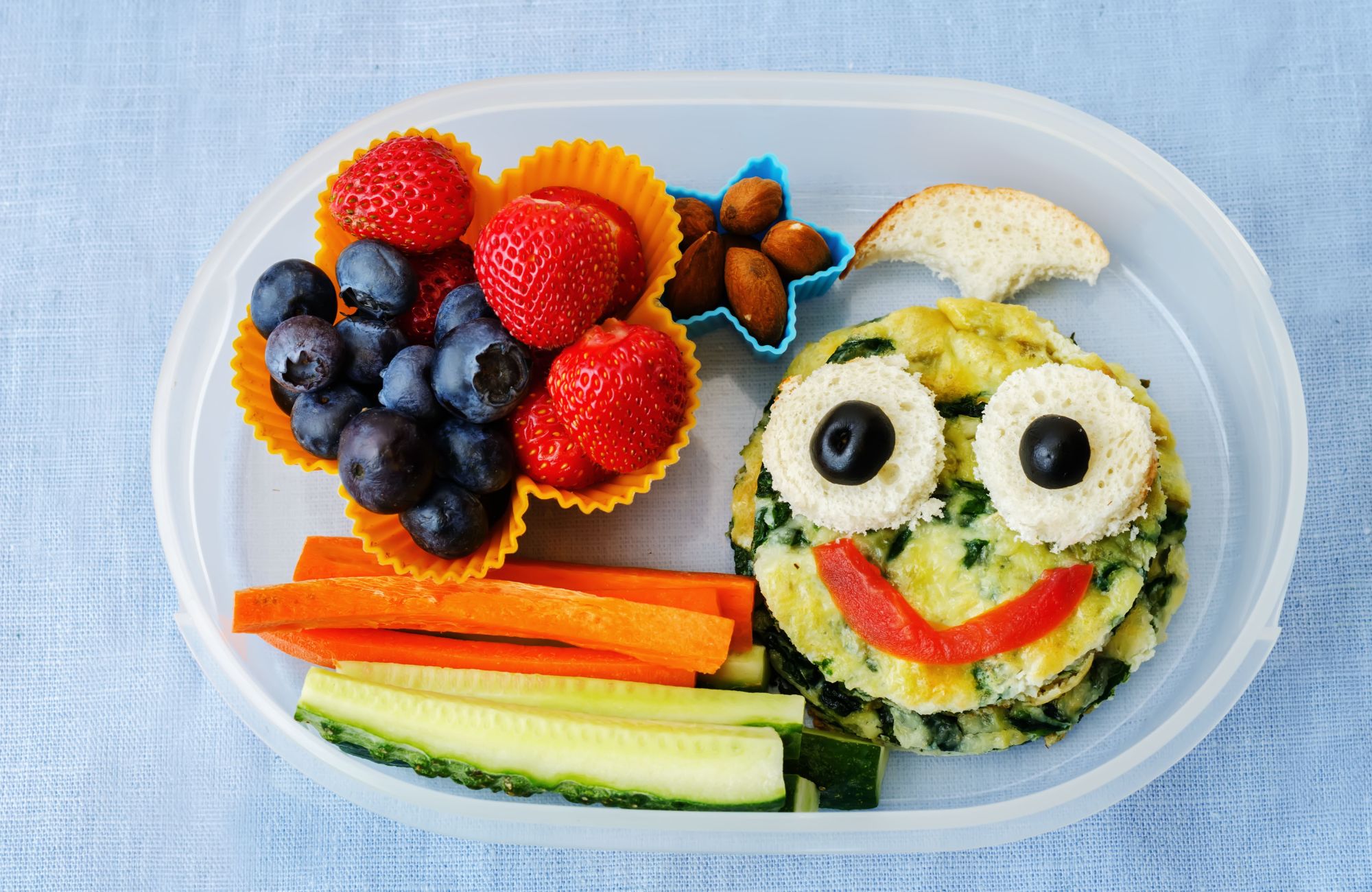
Daily living skills help children become more independent in school settings. These skills are often overlooked, but they can affect how comfortable a child feels during the school day. Important self-help and independence skills include using the bathroom independently, washing hands, opening food containers, carrying a backpack, putting on shoes or a coat, cleaning up after meals, and following a morning routine.
Children who can manage some of these tasks on their own may have an easier time adjusting to classroom routines and behavioral expectations. These essential skills can also help children feel more confident in educational professionals and less dependent on adults for everyday tasks.
Classroom Participation Skills
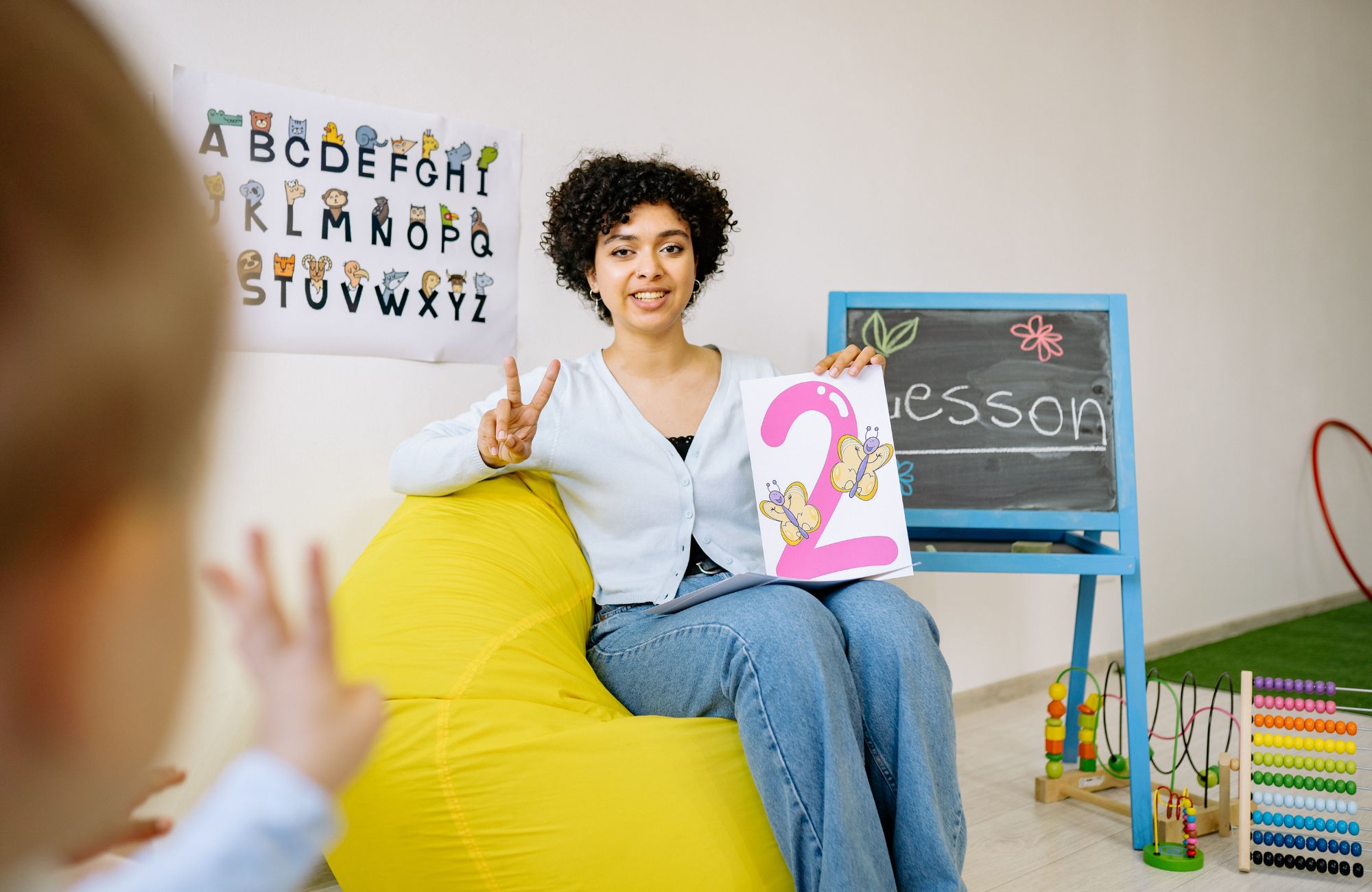
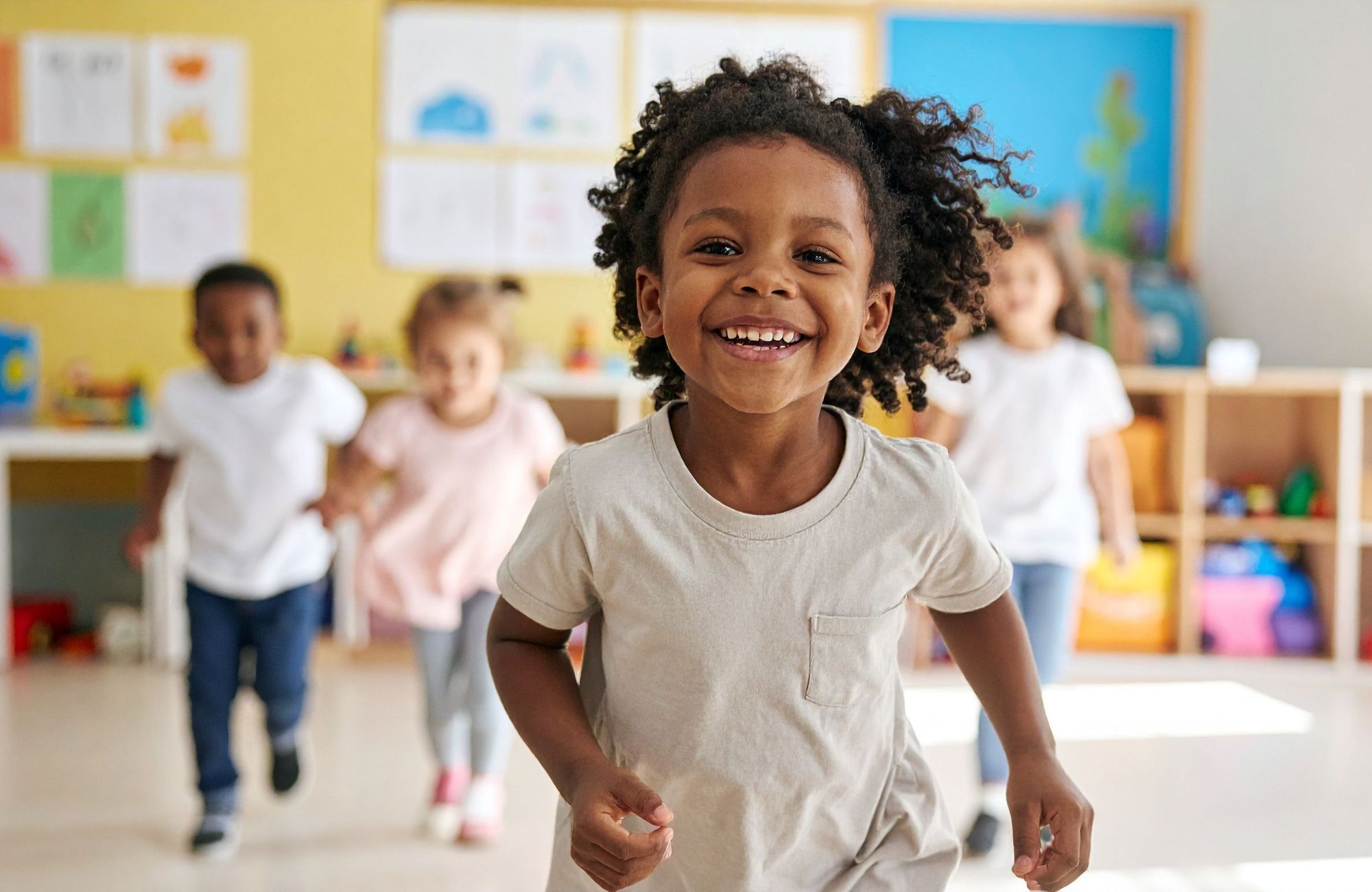
Classroom participation skills are necessary for children to take part in academic learning and group instruction. These are often some of the first school readiness skills educational professionals look for when evaluating academic readiness. Important classroom skills include sitting during circle time, staying with the group, raising a hand, following one-step and two-step directions, waiting in line, transitioning between classroom activities, paying attention for short periods, and participating in art projects or other structured learning activities.
Many children practice these vital skills through ABA therapy, speech therapy, occupational therapy, and home-based routines. Applied behavior analysis can help children develop pre requisite skills, classroom skills, and school routines that support long-term school success.
Signs Your Child May Need Extra Support Before Starting School
Every child develops at a different pace, and needing extra support does not mean a child is not ready for school. Some children simply need more practice with school readiness skills, classroom routines, communication skills, emotional regulation, or social interaction before entering a classroom environment. Parents may notice these challenges at home, during playdates, in community settings, or while participating in group activities. Identifying these areas early can help families create additional preparation strategies before the school year begins.
- Difficulty following simple directions
- Frequent meltdowns during transitions
- Limited communication skills
- Trouble staying seated for short activities
- Difficulty playing with peers
- Trouble waiting or taking turns
- Separation anxiety
- Difficulty using the bathroom independently
- Trouble tolerating loud noises or busy places
- Difficulty following routines
These challenges are common among children with autism spectrum disorder asd, and they can often improve with early intervention, visual supports, social stories, and structured support before preschool or kindergarten begins.
How In-Home ABA Therapy Helps Build School Readiness Skills
In-home ABA therapy can help children practice vital skills in the same environment where many routines already happen. Children often feel more comfortable learning at home, and parents can become more involved in the teaching process. Unlike clinic-only models, home-based ABA therapy allows children to practice school readiness skills where they naturally occur, such as brushing teeth in the bathroom, putting on shoes by the front door, carrying a backpack, eating lunch at the kitchen table, or transitioning between rooms.
Why Home-Based ABA Supports Real-Life Practice
Many school readiness programs teach children skills in structured settings, but home-based ABA therapy allows children to apply those skills in daily life. Children can practice morning routines before leaving for school, putting away belongings, following visual schedules, transitioning between activities, sitting for meals, asking for help, practicing toileting routines, and managing sensory challenges. This type of real-life practice can help children develop stronger carryover between therapy sessions and school settings, making the transition into a classroom environment feel more familiar and less stressful.
How BCBAs and RBTs Personalize School Readiness Goals
No two children have the same strengths, challenges, or school readiness needs. BCBAs create individualized treatment plans based on each child’s communication skills, social skills, motor skills, emotional regulation, behavior, and classroom participation goals. RBTs then work directly with families to support consistent routines, structured learning activities, and skill-building at home. This personalized approach helps children develop necessary skills at a pace that fits their needs and learning style.
Why Families Choose Concierge ABA Therapy With No Waitlist
Many families spend months waiting for services, which can delay important early intervention and school readiness support. Concierge-style ABA therapy offers a more flexible approach with no waitlist, personalized attention, flexible scheduling, and ongoing family support. This high-touch model can benefit children who need help with communication skills, social interaction, classroom routines, or emotional regulation before preschool or kindergarten begins.
School Readiness Skills Parents Can Practice at Home
Parents play an important role in preparing children for school life. Small routines practiced consistently at home can help children feel more comfortable in classroom settings. Morning routines are often a good place to start. Children can practice getting dressed, brushing their teeth, carrying a backpack, following a simple checklist, and completing small tasks before leaving the house. These routines can help children build independence and become more familiar with the structure they may experience during the school day.
Parents can also strengthen school readiness skills by practicing mealtime routines, reading social stories, using visual schedules, playing turn-taking games, practicing transitions with timers, visiting playgrounds or libraries, encouraging children to ask for help, and participating in art projects or group activities. Sensory preparation is also important because some children benefit from practicing with school clothes, noisy environments, classroom-like sounds, or sitting in busy places before the first day of school.
Autism School Readiness Checklist for Parents
Parents often feel unsure about which skills matter most before preschool or kindergarten starts. A checklist can help families identify which areas may need more support.
A child may be building school readiness if they can:
- Follow one-step directions
- Ask for help
- Sit for short activities
- Tolerate group learning
- Transition between activities
- Wash hands independently
- Use simple communication skills
- Carry a backpack
- Wait for short periods
- Follow a visual schedule
- Participate in classroom activities
- Separate from parents with support
- Stay in a group setting
- Follow basic school routines
Children do not need to master every item before starting school. Many children continue building these skills after they enter preschool or kindergarten.
When to Start Preparing for Preschool or Kindergarten
School readiness is often easier when families start preparing early. Children usually benefit from practicing foundational skills several months before school begins. Around three months before the first day of preschool or kindergarten, families can start working on communication skills, social skills, classroom routines, emotional regulation, and daily living skills in small, manageable ways.
As school gets closer, children can begin visiting new environments, practicing carrying school supplies, following visual schedules, and getting used to structured routines. During the first week of school, keeping the same routines at home can help children feel more secure. Consistency between home and school often supports school success, reduces anxiety, and helps children adjust more comfortably to new classroom settings..
Conclusion
Autism school readiness skills help children build confidence before entering preschool or kindergarten. Communication, social interaction, emotional regulation, independence, and classroom participation all play a major role in helping children feel more comfortable in school settings. While every child develops at a different pace, early preparation and consistent practice can make the transition smoother and less stressful for both children and parents.
At Apple ABA, we provide compassionate, evidence-based ABA therapy tailored to each child’s unique needs. Serving families across New Jersey, including Passaic County, Ringwood, Morris County, Riverdale, and nearby communities, our team specializes in personalized in-home ABA programs, comprehensive assessments, and ongoing parent support. We work closely with families to strengthen communication, social, and daily living skills in real-life settings. Contact us today to learn more about our flexible, family-centered services and schedule a consultation with a licensed in-home ABA therapist.
FAQs
How do I know if my child is ready for preschool or kindergarten?
A child does not need to master every skill before starting school. Important signs of readiness include following simple directions, handling transitions, asking for help, and participating in group activities with support.
Can ABA therapy help with school readiness skills?
ABA therapy can help children build communication skills, social interaction, emotional regulation, classroom participation, and daily living skills. In-home ABA therapy also allows children to practice these skills in familiar environments.
What school readiness skills are most important for children with autism?
The most important skills often include communication, following directions, emotional regulation, social interaction, toileting, transitions, and classroom participation. These skills help children function more independently in school settings.
Can in-home ABA therapy help with transitions and classroom routines?
Yes. In-home ABA therapy can help children practice routines such as getting dressed, following visual schedules, waiting, transitioning between activities, and participating in structured learning activities.