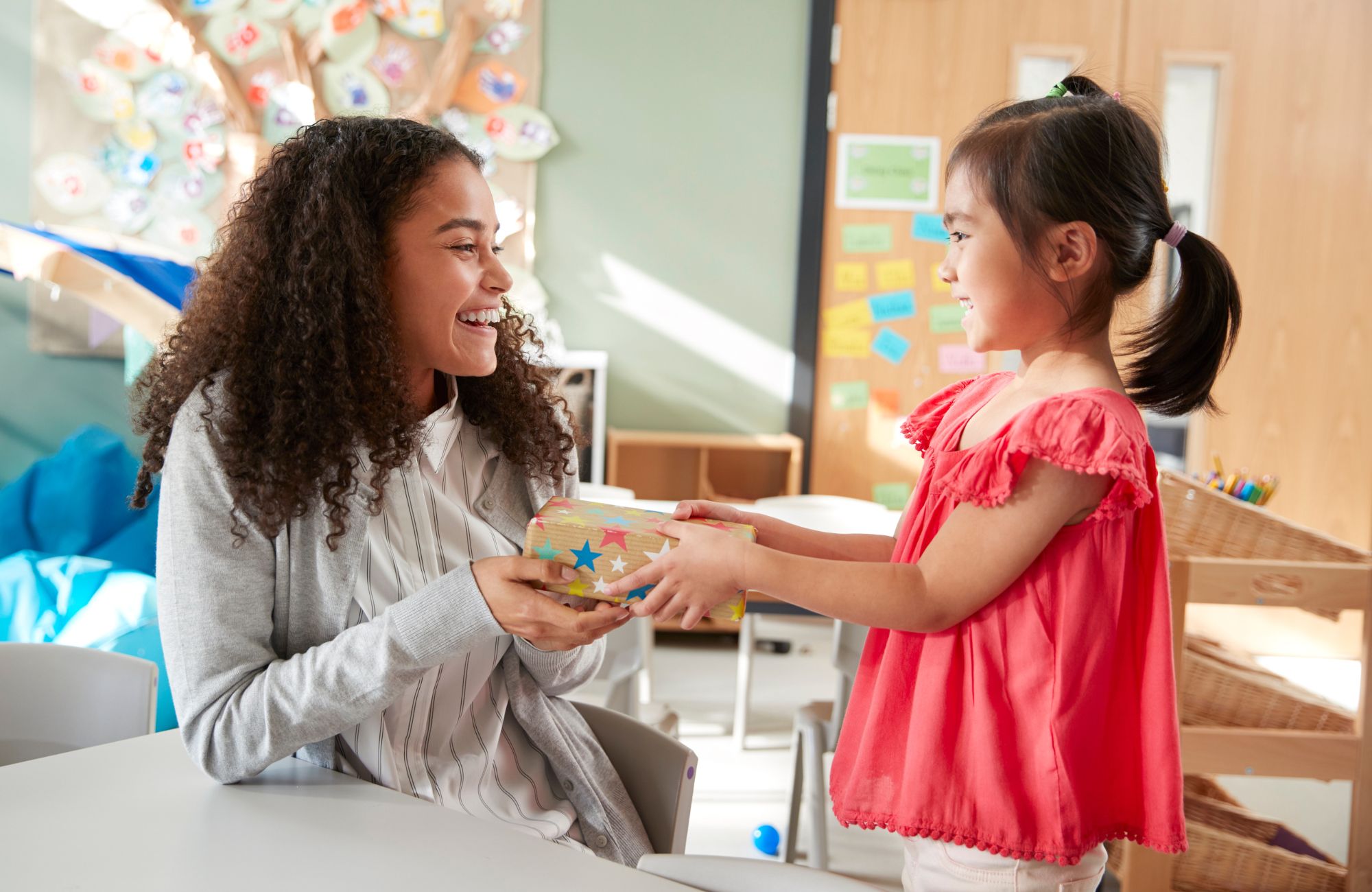
If you’re a parent new to ABA therapy, you might be wondering, “What do kids do in ABA therapy?” It’s a common and important question. While the term Applied Behavior Analysis may sound clinical, the experience is often warm, playful, and tailored to each child’s unique needs.
Rather than rigid drills, kids participate in engaging activities like playing games, following routines, reading stories, and building communication skills with supportive therapists. This guide breaks down what to expect, so you can feel confident and informed about your child’s ABA therapy journey.
Table of Contents
ToggleWhat Is ABA Therapy and How Does It Work?
Applied Behavior Analysis is a science-based therapy that helps children with autism learn new skills and reduce challenging behaviors. The approach focuses on understanding how behavior works and using positive reinforcement to encourage learning and growth.
ABA therapy uses the A-B-C model:
- Antecedent: What happens before a behavior
- Behavior: The child’s response
- Consequence: What happens after the behavior
For example, when a therapist says “time to clean up” (antecedent), the child puts away toys (behavior) and receives praise (consequence). This positive consequence makes the child more likely to clean up next time.
Who Provides ABA Services?
Board Certified Behavior Analysts (BCBAs) design and oversee all ABA therapy programs. These professionals have advanced degrees and must pass a national certification exam. They work with ABA therapists who implement the daily sessions with children.
Core Activities Kids Do in ABA Therapy
Play-Based Learning Activities
Children spend much of their time in structured play that targets specific skills in a fun, engaging way. Activities like building blocks, puzzles, pretend play, art projects, and music support learning across many areas, including language development. This approach keeps children motivated and makes learning feel natural and enjoyable.
Communication and Language Practice
Communication skills are practiced throughout every ABA session, with therapists creating natural opportunities for children to use expressive language. Activities include requesting items during play, answering questions, greeting others, using visual aids, and practicing conversations to build confidence and communication skills.
Social Skills Training
Children build social skills through structured activities and everyday interactions, helping them connect with others at home, in school, and in the community. Activities like turn-taking games, sharing, group play, role-playing, and learning how to ask for help all support healthy social development. Over time, these skills help children form stronger relationships and navigate social situations with more confidence.
Daily Living Skills
Daily living skills training helps children build independence in everyday life, making daily routines smoother and more manageable. Activities such as hand washing, brushing teeth, toilet training, getting dressed, preparing snacks, and organizing toys are all part of helping children become more self-sufficient. These skills not only boost the child’s confidence but also ease the day-to-day responsibilities for family members.
Academic and Learning Skills
For school-age children, ABA therapy often includes academic skill development to prepare them for classroom success. Through fun and engaging activities like letter and number recognition, reading comprehension, math games, writing exercises, and following classroom-style instructions, children build the foundation for confident learning in school settings.
What Does a Typical ABA Session Look Like?
Session Structure
Most ABA sessions follow a predictable structure that helps children feel comfortable and ready to learn:
Greeting and Transition (5-10 minutes)
- Child arrives and settles in
- Brief check-in with the child’s ABA therapist
- Review of session schedule
Pairing and Rapport Building (10-15 minutes)
- Free play with preferred activities
- Building a positive relationship with a therapist
- Assessing a child’s interests for the day
Structured Learning Time (20-40 minutes)
- Discrete Trial Training (DTT) at the table or desk
- Focused skill practice with frequent breaks
- Collecting data on a child’s progress
Natural Environment Training (20-30 minutes)
- Play-based learning opportunities
- Practicing skills in natural contexts
- Social interactions and group activities
Wrap-up and Transition (5-10 minutes)
- Review of session highlights
- Preparation for the next activity or departure
- Communication with parents about progress
Session Length Options
ABA therapy sessions vary in length based on individual needs:
- 1-hour sessions: Focused skill practice for early intervention
- 2-hour sessions: Balanced mix of structured and natural learning
- 4-hour sessions: Comprehensive programming for intensive needs
How ABA Therapy Is Individualized
Assessment and Treatment Planning
Every child starts ABA therapy with a personalized assessment by a Board Certified Behavior Analyst. This evaluation helps identify their strengths, challenges, and family goals to create a tailored treatment plan. It also ensures that therapy focuses on meaningful progress in areas that matter most at home, school, and in daily life.
The assessment covers a range of skills, including communication, social interaction, daily routines, learning abilities, and behavior patterns. Therapists also take time to understand what motivates your child by observing their interests and preferences, making sessions more engaging and effective.
Ongoing Modifications
ABA therapy programs are designed to grow with your child. Therapists collect data during each session to track progress and make timely adjustments, whether your child masters a skill, starts showing new abilities, or family goals change. Changes may also happen when challenging behaviors improve or your child reaches new developmental stages. This flexible approach keeps therapy relevant, effective, and aligned with your child’s needs.
Different Types of ABA Approaches
Discrete Trial Training (DTT)
Discrete Trial Training (DTT) is a structured one-on-one teaching method where children practice specific skills through repetition and immediate feedback. Activities may include following directions, matching objects, building early academic abilities, and developing communication skills, all broken into small, manageable steps.
Natural Environment Training (NET)
Natural Environment Training (NET) uses play and everyday routines to teach important skills in real-life settings. Children learn during activities like snack time, play, favorite games, and daily routines, making it easier to apply what they’ve learned outside of therapy.
Other Evidence-Based Approaches
Quality ABA therapy programs may incorporate other research-supported methods:
- Pivotal Response Treatment: Focuses on motivation and child-led learning
- Early Start Denver Model: Play-based approach for very young children
- Functional Communication training: Addresses challenging behaviors through communication
Supporting Your Child’s ABA Therapy Success
What Parents Can Do
Family involvement is key to successful ABA therapy. Parents support progress by practicing skills at home, keeping routines consistent, staying in touch with therapists, using positive reinforcement, and celebrating small wins along the way. When families are actively engaged, children are more likely to generalize and maintain the skills they learn.
Red Flags to Avoid
Quality ABA therapy should never:
- Make children cry or appear distressed regularly
- Use punishment or negative consequences
- Ignore the child’s interests and preferences
- Lack of family involvement and communication
- Show no progress data or outcome tracking
How to Know If ABA Therapy Is Working
Signs of progress in ABA therapy often include better communication, improved social skills, increased independence, and fewer challenging behaviors. Many children also show growth in handling new situations, following routines, and engaging more confidently with others. These gains often build over time, creating a strong foundation for long-term development.
Therapists monitor these changes by collecting data during each session. This helps guide program updates and ensures every step forward is recognized and celebrated. Regular progress reviews also help families stay informed and involved in their child’s growth.
Getting Started with ABA Therapy Services
To access ABA therapy, start by asking your pediatrician for a referral and confirming your insurance coverage. Next, research qualified providers in your area, schedule an assessment with a Board Certified Behavior Analyst, and begin services with a personalized treatment plan.
When selecting a provider, ask about staff training, how they tailor programs to each child, expectations for family involvement, how progress is tracked, and whether they offer clinic-based or in-home sessions. These questions can help you find the right fit for your child’s needs.
Conclusion
Understanding what kids do in ABA therapy can ease uncertainty and help you feel more confident as a parent. From play-based learning to real-world skill building, ABA therapy is designed to meet your child where they are and guide them toward meaningful growth. With the right support, children can gain communication skills, independence, and confidence that carry over into daily life. Over time, you’ll likely see meaningful progress in your child’s development across multiple areas.
At Apple ABA, we provide compassionate, personalized ABA therapy for children across New Jersey. Our services are specially designed for children with autism spectrum disorder, helping them build essential skills through evidence-based approaches. Whether you’re just beginning to explore services or ready to get started, our expert team is here to support your family every step of the way. Contact us today to schedule your child’s assessment and begin their journey with ABA therapy in New Jersey.
FAQs
What does ABA therapy do for a child?
ABA therapy helps children with autism develop essential life skills like communication, social interaction, and daily living abilities while reducing challenging behaviors through positive reinforcement and structured learning.
What to do during an ABA session?
During an ABA session, children engage in play-based activities, practice communication skills, work on daily living tasks, and participate in social interactions with their therapist through both structured learning and natural play opportunities.
What do kids do at ABA?
Kids play games, practice talking and social skills, learn daily routines like hand washing and following instructions, solve puzzles, engage in pretend play, and participate in fun activities that help them develop new abilities.