Blog & News

Author: JayApple

Chaining Technique in ABA Therapy: Parent Guide
Blog
Chaining Technique in ABA Therapy: Parent Guide

The chaining technique in ABA therapy is a structured method that helps children with autism learn complex daily routines by breaking them into smaller, manageable steps, allowing them to build independence gradually through consistent practice and reinforcement.

Picture Exchange Communication System Autism (PECS)
Blog
Picture Exchange Communication System Autism (PECS)

The Picture Exchange Communication System (PECS) is a structured, evidence-based approach that helps children with autism communicate by exchanging picture cards to express needs, build language skills, and develop more independent, functional communication over time.

Autism Self-Care Skills Checklist for Daily Independence
Blog
Autism Self-Care Skills Checklist for Daily Independence

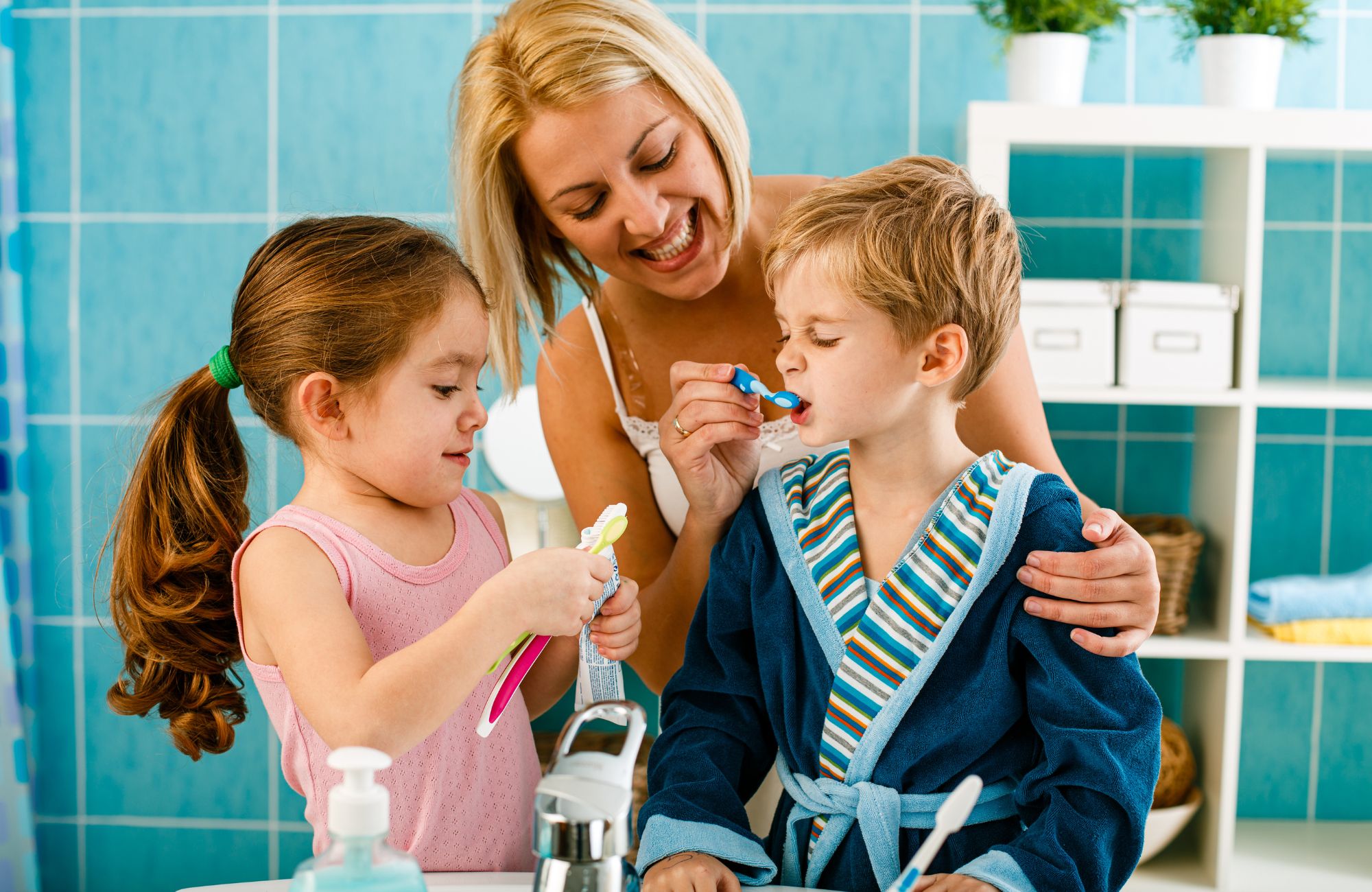
An autism self-care skills checklist helps parents and caregivers teach daily living skills like hygiene, dressing, eating, and routines by breaking tasks into simple steps, making it easier for children to build independence, confidence, and consistency in their everyday lives.

How to Teach Imitation Skills to Autistic Child
Blog
How to Teach Imitation Skills to Autistic Child

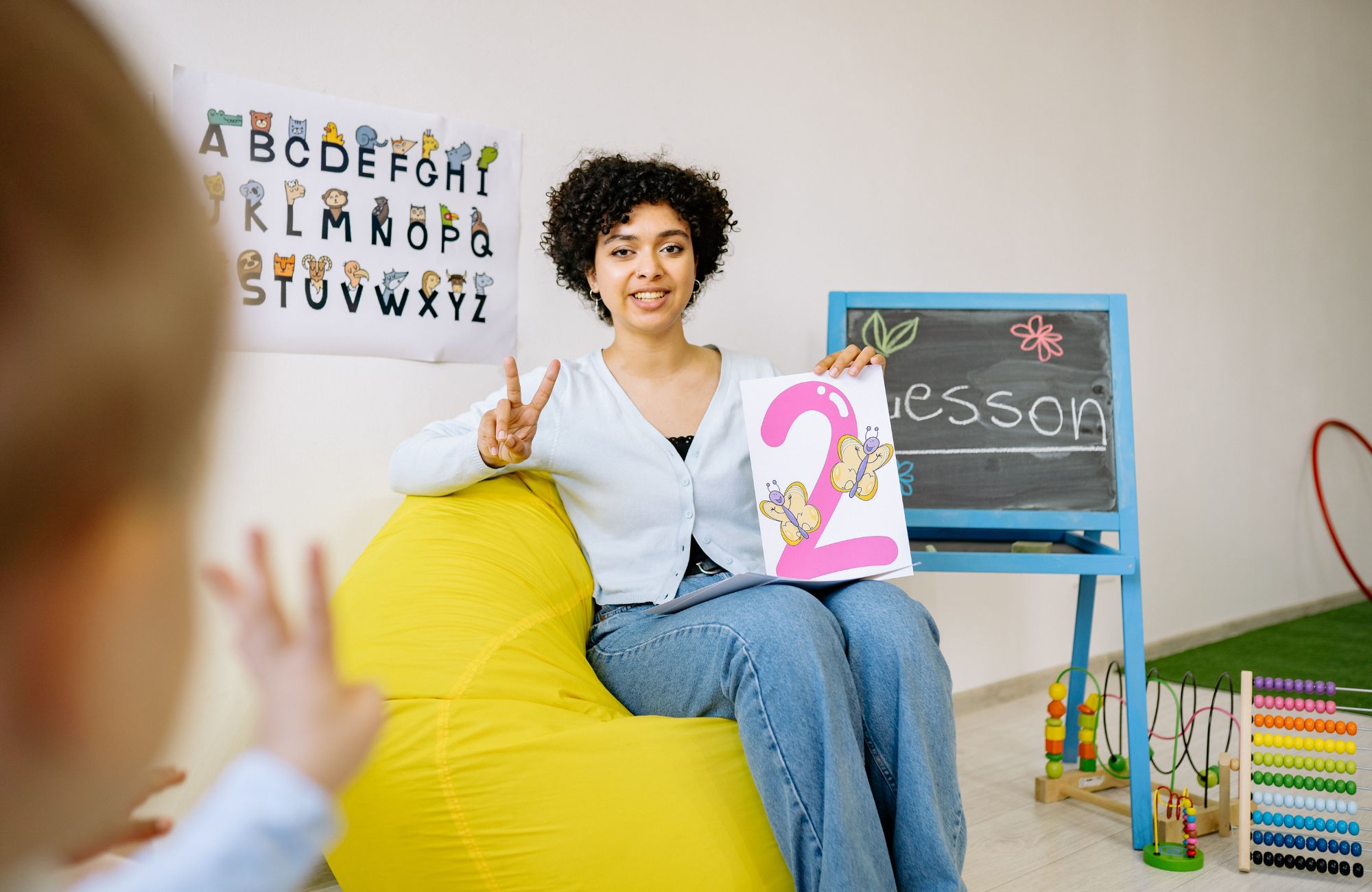
Teaching imitation skills to an autistic child helps build the foundation for communication, social interaction, and everyday learning. By encouraging children to copy simple actions, sounds, and facial expressions, caregivers can support language development, play skills, and independence. With consistent practice and structured strategies such as modeling, prompting, and positive reinforcement, children with autism can gradually develop imitation skills that strengthen overall development.

Autism Communication Devices for Nonverbal Children: A Parent’s Guide
Blog
Autism Communication Devices for Nonverbal Children: A Parent’s Guide

Autism communication devices for nonverbal children help bridge the gap when spoken language is limited or absent. Using tools like picture systems, communication boards, or speech-generating devices, children can express needs, emotions, and ideas more clearly. These augmentative and alternative communication (AAC) tools support language development, reduce frustration, and help children participate more confidently in daily interactions at home, school, and in the community.

Verbal Behavior Therapy for Autism Explained
Blog
Verbal Behavior Therapy for Autism Explained

Verbal behavior therapy for autism is an evidence-based approach that helps children develop meaningful communication skills through applied behavior analysis (ABA). By focusing on why children communicate and reinforcing successful attempts, this therapy teaches them how to request, respond, and interact more effectively in everyday situations, supporting language development and greater independence.

Autism Transition Strategies for Home That Actually Work
Blog
Autism Transition Strategies for Home That Actually Work

Autism transition strategies for home help children move smoothly between activities, routines, or environments while reducing anxiety and emotional overload. Effective strategies include creating predictable routines without rigidity, using visual supports like timers or social stories, giving advance notice, and reinforcing positive behavior during transitions. Practicing transitions during calm moments and using familiar objects or comfort items can also ease changes. In-home ABA therapy in Branchville and Sussex County, NJ, supports families by teaching these strategies in real-life settings, coaching parents, and gradually building independence and confidence across daily routines.

Generalization in ABA Therapy Examples for Real Life
Blog
Generalization in ABA Therapy Examples for Real Life

Generalization in ABA therapy ensures skills learned in sessions carry over into everyday life. For example, a child who learns to request help in therapy may later use that skill at home, at school, or in the community. Stimulus generalization occurs when the skill applies across different materials or people, like identifying colors on flashcards and then on toys or clothing. Response generalization happens when the child expresses the same request in multiple ways, such as saying “help me,” gesturing, or using a communication device. In-home ABA therapy in Branchville and Sussex County supports generalization by teaching skills in natural routines, reinforcing consistency, and involving parents and caregivers in everyday practice.

Parent Training in ABA Therapy in Branchville, NJ
Blog
Parent Training in ABA Therapy in Branchville, NJ

Parent training in ABA therapy helps turn clinic skills into real-life success at home, school, and the community. In Branchville and across Sussex County, parents work with a BCBA to learn practical routines, scripts, and reinforcement strategies. Using methods like Behavioral Skills Training (instruction, modeling, practice, and feedback), parents build consistency, reduce challenging behaviors, and track progress, making everyday moments like transitions, mealtime, and bedtime more manageable and empowering.

How to Reduce Stimming in Autism A Parent-Focused Guide
Blog
How to Reduce Stimming in Autism: A Parent-Focused Guide

Reducing stimming in autism starts with understanding why it happens. Stimming helps children regulate emotions and sensory input, but some behaviors may be unsafe or interfere with daily life. Strategies to reduce stimming safely include identifying triggers, teaching replacement behaviors that meet the same sensory or emotional need, and using positive reinforcement. In-home ABA therapy in New Jersey, such as through Apple ABA, supports families by applying these strategies in real-life routines, helping children build self-regulation skills while maintaining safety and confidence.

Don't let your child's struggles define their future
Empower Your Child to Rise Above Challenges and Unlock Their Full Potential for a Brighter Future
Apple ABA Therapy

Thank You.....

Thank you for submitting your form! We appreciate your interest and will review the information you provided promptly. If necessary, we’ll be in touch soon. Have a great day!

Apple ABA Therapy

Request A Call Back

By clicking “Speak With a Specialist” I agree to the Terms of Use and Privacy Policy. I consent to receive emails, texts, and calls, which may be automated. Consent is not required to buy services, and I can opt out anytime. Message and data rates may apply.