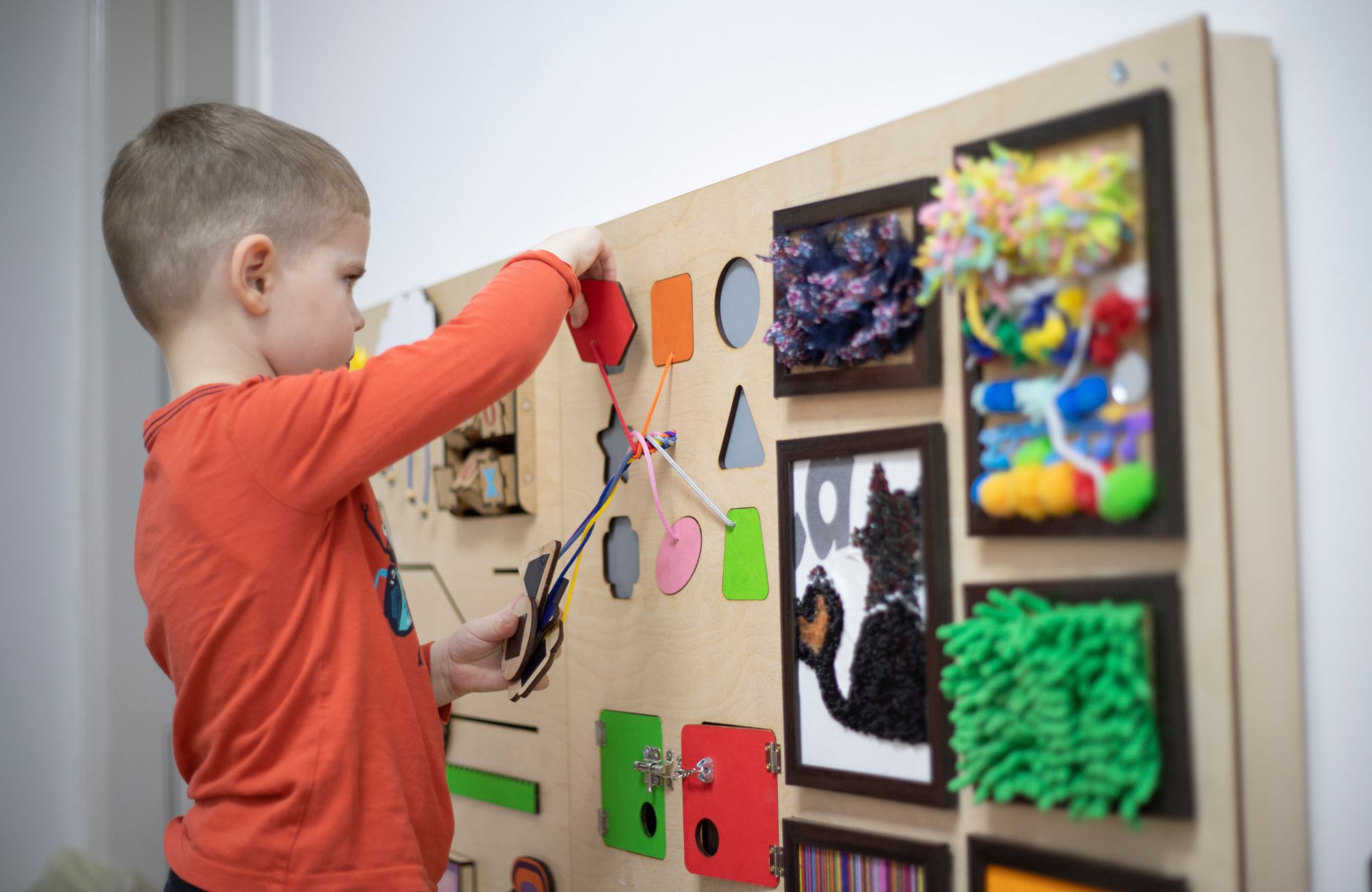
When parents first explore Applied Behavior Analysis (ABA) therapy for their child with autism, one of the most common questions is, “How many hours of ABA therapy per week does my child really need?” This is a crucial consideration because the number of therapy hours per week directly affects how quickly a child can learn, gain independence, and strengthen social and communication skills. ABA therapy is a data-driven, individualized treatment, meaning every child’s program is tailored to their unique goals, age, and developmental needs.
At Apple ABA, we specialize in personalized, in-home ABA therapy across New Jersey, including Sussex County and Walpack. Our concierge-level ABA therapy services are designed to provide flexible schedules, compassionate care, and measurable results. With the guidance of a Board Certified Behavior Analyst (BCBA), each child receives the right balance of ABA therapy hours per week to promote steady progress in a familiar, supportive home environment.
What Determines the Number of ABA Therapy Hours?
The number of ABA therapy hours per week is determined by several key factors evaluated by a Board Certified Behavior Analyst (BCBA) during your child’s initial assessment. These factors ensure that every treatment plan aligns with the child’s specific strengths, challenges, and family routine for the best possible outcomes.
Several elements influence how many hours of ABA therapy your child may need:
- Child’s Age and Developmental Level: Younger children often benefit from more intensive therapy, up to 30–40 hours per week, to build foundational communication and social skills. Older children or those with mild needs may progress with fewer, more focused sessions.
- Goals and Target Behaviors: Children developing key areas such as communication, daily living, and social interaction often require more intensive therapy hours early on. As they master skills, their schedule can be reduced to maintain steady gains.
- Environment and Setting: Home-based ABA therapy allows natural environment training, helping children apply learned behaviors during daily routines like meals, playtime, or transitions, leading to faster generalization and consistent progress.
- Parental Availability and Support: Family participation is vital. When parents reinforce strategies between sessions, children often achieve results with fewer total hours per week.
Through comprehensive assessments and individualized therapy planning, families receive a personalized schedule designed to promote steady progress, flexibility, and measurable growth in their child’s development.
Standard ABA Therapy Hour Guidelines
There’s no one-size-fits-all rule for determining the right number of ABA therapy hours per week, as therapy plans are tailored to each individual child. The right balance depends on factors such as the child’s age, developmental stage, and the specific goals of therapy. Comprehensive ABA therapy is often recommended for younger children or those needing intensive support across multiple areas of development. This type of therapy typically requires more hours, particularly at early age, to address key areas like communication skills, social interaction, and daily living skills. On the other hand, focused ABA therapy is suited for children who need to target specific behaviors or goals, such as improving attention, social behaviors, or academic readiness, and typically requires fewer ABA hours per week.
| Type of ABA Program | Hours per Week | Focus Areas |
|---|---|---|
| Comprehensive ABA Therapy | 26–40 hours | Communication, social skills, academic readiness, self-care |
| Focused ABA Therapy | 10–25 hours | Specific behaviors, daily routines, or academic goals |
As children grow, ABA therapy hours can be adjusted based on their progress. Most therapists recommend reducing therapy hours over time as the child begins to generalize positive behaviors and develop desired behaviors independently. ABA therapy can also be influenced by parent interviews, where feedback from family members helps ensure the therapy plan remains aligned with the child’s changing needs. The flexibility of home-based ABA therapy allows therapy to be woven into the child’s life in a natural, supportive way, ensuring that sessions remain effective and are adjusted to meet the child’s ongoing development. The goal is not just more hours, but the right number of hours that lead to meaningful, lasting progress.
How Home-Based ABA Therapy Impacts Weekly Hours
One of the most significant advantages of in-home ABA therapy is that children learn within their natural environment, the place where they feel safest and most comfortable. This setting often allows for greater engagement and retention, which can influence the total number of therapy hours required.
Here’s how in-home sessions create stronger results:
- Natural Environment Learning: Skills like communication, social interaction, and self-help are practiced in real-life settings, making progress faster and more sustainable.
- Comfort Reduces Burnout: Children are more relaxed at home, so sessions are more productive even with fewer total hours per week.
- Family Involvement: Parents and caregivers can observe and reinforce strategies between sessions, leading to better generalization of learned behaviors.
- Flexible Scheduling: Sessions can be arranged around school, naps, or family routines, something clinic-based programs rarely offer.
Families in Mahwah, Sussex County, and nearby New Jersey communities often find that their children make consistent progress through personalized, home-based ABA therapy. With our concierge model, you get clinical expertise combined with flexibility that works for your family.
How to Customize Therapy Hours for Each Child
Every child is unique, and so is their ABA therapy plan. ABA Therapy providers take a personalized approach from the first assessment to ongoing progress reviews.
The process includes:
- Comprehensive Assessment
A certified behavior analyst (BCBA) meets with your family to understand your child’s background, behaviors, and developmental goals. - Goal Setting with Parents
We work collaboratively to set measurable treatment goals across developmental domains like communication, daily living, and social interaction. - Personalized Scheduling
Therapy hours are structured around your family’s availability and your child’s learning pace, ensuring consistency without disruption. - Ongoing Assessment and Adjustments
Your child’s BCBA tracks progress weekly and adjusts therapy hours as needed to maintain effective intervention.
This flexible, high-touch approach eliminates long waitlists and ensures that therapy fits your lifestyle. Whether your child needs intensive therapy or a few hours a week, having a tailor-made plan will result in the best outcomes.
How ABA Therapy Hours Evolve Over Time
As children gain new skills and reach developmental milestones, their ABA therapy hours per week naturally adjust. This process, known as fading, helps transition children from more intensive intervention to greater independence and self-sufficiency in daily life.
- Early Stages: Many children begin with intensive therapy, around 25–40 hours per week, to build essential communication, behavior, and social foundations.
- Progress Phase: As positive behaviors replace interfering behaviors and treatment goals are met, therapy hours are gradually reduced to support continued growth.
- Maintenance Phase: The focus shifts to reinforcing learned behaviors, encouraging independence, and helping children apply skills in real-world and community settings.
Through ongoing assessment and parent collaboration, each therapy plan evolves at the child’s pace. The ultimate goal is not endless therapy, but lasting functional independence, confidence, and meaningful progress across all areas of life.
ABA Therapy Approaches and Their Impact on Your Child’s Progress
When determining the right ABA therapy hours, it’s important to understand that ABA therapy sessions are tailored to each child’s individual needs. The type of ABA treatment your child receives depends on their developmental level, behavior, and the therapy goals set by the Board Certified Behavior Analyst (BCBA). Discrete trial training (DTT) and positive reinforcement are commonly used approaches in therapy. Positive behaviors are reinforced consistently, while maladaptive behaviors are reduced through structured repetition. As children’s skills improve, the ABA therapy may evolve, focusing on maintaining progress with fewer hours.
The intensity of therapy often varies based on the child’s behavior and therapy goals. Younger children or those needing early intervention typically require more intensive therapy, with ABA hours often exceeding 25–40 hours per week. Over time, as positive behaviors become more consistent and the child’s progress is tracked, therapy hours may decrease. This approach helps children build desired behaviors that can be generalized across various environments. ABA therapists continually adjust the plan to meet the child’s individual needs and ensure they develop the necessary skills for functional independence.
Insurance, Funding, and Scheduling Flexibility
Insurance coverage plays a major role in determining how many ABA therapy hours per week are approved for your child. Most providers base their authorization on a Board Certified Behavior Analyst (BCBA) recommendation, though coverage limits and copay amounts can differ between insurance plans. Navigating these details can feel overwhelming, but the right support makes the process smoother.
Families are supported throughout the process, from insurance verification and authorization to billing and tracking progress. So therapy can begin without unnecessary delays. Flexible scheduling options, including early morning, after-school, and weekend sessions, help families balance therapy with school and work. Whether your child requires 10 hours or 30 hours per week, personalized scheduling ensures therapy fits seamlessly into your routine while maintaining the consistency that supports lasting progress.
Conclusion
Finding the right balance of ABA therapy hours per week can make a lasting difference in your child’s development and daily life. Every child learns and progresses differently, which is why individualized care is essential. By focusing on your child’s unique needs, strengths, and family routine, a customized ABA therapy plan ensures steady growth in communication, behavior, and life skills. At Apple ABA, we believe that meaningful progress happens when therapy is both structured and compassionate, guided by experts who genuinely care about your child’s success.
At Apple ABA, we provide compassionate, evidence-based ABA therapy designed to meet your child’s developmental goals. Serving families throughout New Jersey, including Sussex County, Mahwah, and surrounding areas, our team offers personalized in-home programs, comprehensive assessments, and ongoing parent collaboration to ensure consistent progress and confidence. Contact us today to learn more about our flexible, family-centered ABA services and schedule a consultation with a licensed in-home therapist.
FAQs
How many ABA therapy hours per week are typical for children with autism?
Most children receive between 10 and 40 hours per week depending on their needs, goals, and BCBA recommendations. Younger children or those with greater developmental challenges typically benefit from more intensive therapy to build essential communication and life skills.
How are ABA therapy hours determined for in-home sessions?
Your child’s therapy hours are determined after a comprehensive BCBA assessment. Factors like behavior intensity, skill deficits, and family availability all play a role. Home-based sessions often allow greater flexibility and efficiency, meaning progress can occur with fewer total hours.
Can ABA therapy hours change as my child improves?
Yes. ABA therapy is data-driven, so therapy intensity changes as your child meets milestones. As skills improve, hours can be gradually reduced, shifting toward maintenance and generalization in natural settings.
Does insurance cover all ABA therapy hours in New Jersey?
Most major insurance providers cover ABA therapy services for children diagnosed with Autism Spectrum Disorder. Our team helps families understand coverage limits and handle approvals for the number of hours recommended by their BCBA.
What if my child misses sessions or can’t complete all scheduled hours?
Occasional absences won’t disrupt progress, but consistency is key. Our therapists help families build realistic schedules that support steady gains. Missed sessions can often be rescheduled to maintain continuity.