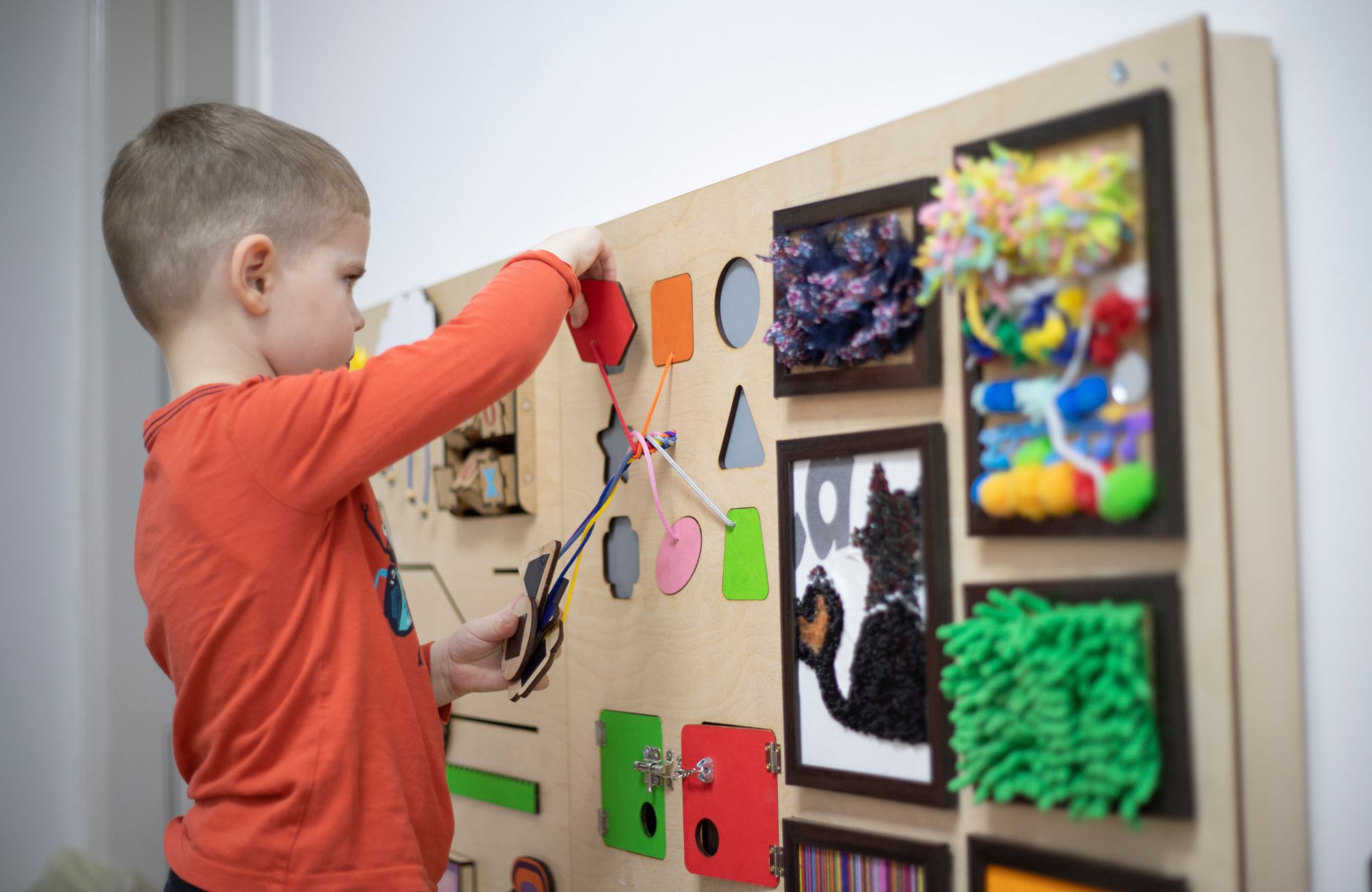
An autism morning routine visual schedule is a step-by-step visual system that helps autistic children move through tasks like dressing, brushing teeth, and leaving for school with fewer prompts and less resistance. These visual supports are especially helpful for many children on the autism spectrum because they provide structure, improve communication skills, and support smoother transitions during an often stressful morning routine. In real in-home ABA therapy settings, routines rarely fail randomly; they break down at one specific transition. That moment is usually where a preferred activity ends or a non-preferred task begins.
When visual cues clearly show the next activity, kids can follow the routine more independently. Families in Andover, NJ who need additional support often explore in-home ABA therapy to help build consistent routines in real-life settings. In one case, a child struggled with moving from breakfast to getting dressed, requiring repeated prompts every morning. After introducing a visual schedule using real images, the transition improved within two weeks. This shows how using visual schedules creates measurable improvement by fixing one problem point instead of changing the entire routine, helping both kids and adults experience fewer delays and less stress.
Why Most Autism Morning Routine Visual Schedules Fail (And What Actually Works)
Most autism morning routine visual schedules fail because they are designed based on what adults expect, not what the child can consistently complete. Based on internal clinical observations across dozens of in-home ABA therapy cases, breakdowns usually happen at a single transition rather than across the entire routine. This is often a shift from a preferred activity to a non-preferred one, such as stopping breakfast or starting hygiene tasks. If that specific transition is not addressed, adding more steps or visuals will not fix the problem. The issue is not the schedule itself, but where it is applied.
Another common issue is introducing too many steps too early, which increases resistance instead of improving independence. Many children struggle when schedules include too much at once, especially those with developing communication skills. In practice, reducing the routine to fewer steps and focusing on one routine that works creates faster progress. For example, when one schedule was reduced from eight steps to three, completion improved within one week. The improvement came from aligning expectations with ability, not from adding more structure.
The 3-5-1 Method for an Autism Morning Routine Visual Schedule
The 3-5-1 Method is a phased framework used to build a morning routine gradually using measurable thresholds instead of guesswork. It starts with three tasks the child can already complete, expands to five only after consistency is achieved, and introduces one high-resistance transition last. This method is especially helpful for supporting transitions because it prevents overload and allows skills to build gradually. Unlike general advice that suggests “go slow,” this approach defines exactly when to move forward. That makes it easier to apply consistently at home.
What makes this method different is its reliance on observable behavior rather than time-based progression. Expansion only happens when prompting is low and consistency is stable, which prevents pushing the child too early. Many families using various schedules struggle because they expand based on time instead of readiness. By using clear thresholds, the routine grows based on what the child can actually handle. This helps promote independence without creating frustration.
| Phase | What to Do | Expansion Condition |
| 3 Tasks | Start with simple, independent tasks | Child completes with minimal prompting |
| 5 Tasks | Add more steps gradually | No more than 2 prompts per task for 3 days |
| +1 Transition | Add hardest task last | Resistance occurs in fewer than 20% of attempts |
What Actually Improves an Autism Morning Routine Visual Schedule
The most consistent improvement seen when using visual schedules is a reduction in verbal prompting rather than just smoother routines. Children begin relying less on repeated reminders and more on visual cues to guide their actions. This shift allows children to follow the routine without waiting for prompts, which speeds up transitions and reduces delays. Over time, the structure becomes internal instead of externally driven. This is where visual schedules deliver the most meaningful benefit.
This improvement aligns with research showing that predictable routines improve task completion and reduce behavioral resistance in autistic children, including findings from the National Institute of Mental Health and applied behavior analysis studies. When routines are consistent, they help reduce anxiety and improve daily functioning. In practice, many children begin checking their schedules independently within days. The routine itself does not change, but the way it is presented becomes more effective.
What to Include in an Autism Morning Routine Visual Schedule
An effective autism morning routine visual schedule should include tasks the child can realistically complete, not an ideal version of the morning. Common steps include waking up, bathroom, brushing teeth, getting dressed, having breakfast, putting on shoes, and leaving for school, with short engaging activities for autistic kids used between steps when needed. Many families use daily routine cards, picture icons, or free printable visual schedules as helpful resources when building routines. The key is to break tasks into simple steps that are easy to follow. Clear instructions help children understand what to do without relying on constant reminders.
The type of visual used also matters more than many people expect. Some children respond better to real-life images, while others can follow icons or written words depending on their communication skills. Minimally verbal children often benefit from more concrete visuals that match their environment. In many cases, switching visual types improves engagement quickly. The goal is to choose visuals that make the routine easy to understand at a glance.
| Visual Type | Best For | Limitation |
| Real Photos | Younger or minimally verbal children | Requires setup effort |
| Picture Icons | Children familiar with visual systems | May feel abstract |
| Written Schedule | Older children with stronger communication skills | Less visual support |
How to Build a Schedule That Actually Works at Home
Building a schedule starts with choosing a format that matches the child’s ability to understand and follow instructions. Minimally verbal children often respond best to strong visual supports like photos, while others may follow written steps. Some families also use first then boards to clearly show expectations and reinforce task completion. These tools are widely used in both morning and bedtime routines because they provide structure and predictability. When the format matches the child’s needs, the schedule becomes easier to follow.
Reinforcement is just as important as the schedule itself. Delayed rewards often fail because the connection between effort and outcome is unclear. Using simple “first–then” phrasing helps children understand what comes next and why it matters. For example, “first brush teeth, then play” creates a clear sequence. This approach improves follow-through and makes the routine more effective.
When an Autism Morning Routine Visual Schedule Doesn’t Work
When a visual schedule does not work, the issue is usually a specific breakdown rather than a failure of the entire routine. In most cases, the problem comes from one task being too difficult, the reward not being motivating, or the visuals not matching the child’s understanding. Restarting from scratch is rarely necessary. Instead, identifying and fixing the exact problem step leads to faster improvement. This approach keeps the rest of the routine stable.
For example, brushing teeth is often difficult because it includes multiple actions. Breaking it into smaller steps makes it easier to complete and reduces resistance. Once the task becomes manageable, participation improves naturally. Fixing one step often stabilizes the entire routine. This targeted approach is more effective than simplifying everything at once.
Adjusting for Different Autistic Children and Edge Cases
Not all children respond to the same type of visual schedule, so adjustments are often needed. Younger kids typically need fewer steps and stronger visuals, while older children may follow written schedules with time expectations. Sensory sensitivities can also affect participation, especially during tasks like dressing or brushing teeth. In these cases, resistance is often related to discomfort rather than behavior. Adjusting the environment can improve participation.
Providing simple choices can also make a big difference. For example, offering two outfit options instead of one fixed choice can reduce resistance while maintaining structure. This gives children a sense of control without changing the routine itself. Many children respond better when they feel involved in the process. Small adjustments like this can improve consistency across the entire morning.
Conclusion
An autism morning routine visual schedule gives children a clear, predictable way to start their day with less stress and more confidence. By using visual supports, breaking tasks into simple steps, and practicing the same routine consistently, many families see smoother transitions, fewer power struggles, and greater independence over time. When routines are structured in a way that matches a child’s needs, mornings can shift from overwhelming to manageable, helping both children and parents feel more prepared for the day ahead.
At Apple ABA, we provide personalized in-home ABA therapy designed to help children build independence in real-life settings. Our team supports families across New Jersey, including Sussex County, Andover, Sparta, Newton, and nearby communities with flexible scheduling, caregiver collaboration, and no-waitlist access to care. Through customized therapy plans, assessments, and ongoing parent support, we help children strengthen communication, social, and daily living skills in the comfort of their home. Contact us to learn more about our family-centered ABA services and schedule a consultation.
FAQs
What should be included in an autism morning routine visual schedule?
Include simple daily tasks like bathroom, brushing teeth, getting dressed, eating breakfast, and leaving for school. Use visuals that your child understands best.
Should I use pictures or words in my child’s schedule?
It depends on your child. Minimally verbal children usually do better with pictures or symbols, while older children may prefer words or a mix of both.
How long does it take for a visual schedule to work?
Most children need a few weeks of consistent use. Progress depends on the child, but repetition and routine help it work faster.
What if my child refuses to follow the routine activities?
Keep the schedule simple, use rewards, and break tasks into smaller steps. If challenges continue, ABA support can help adjust the routine.