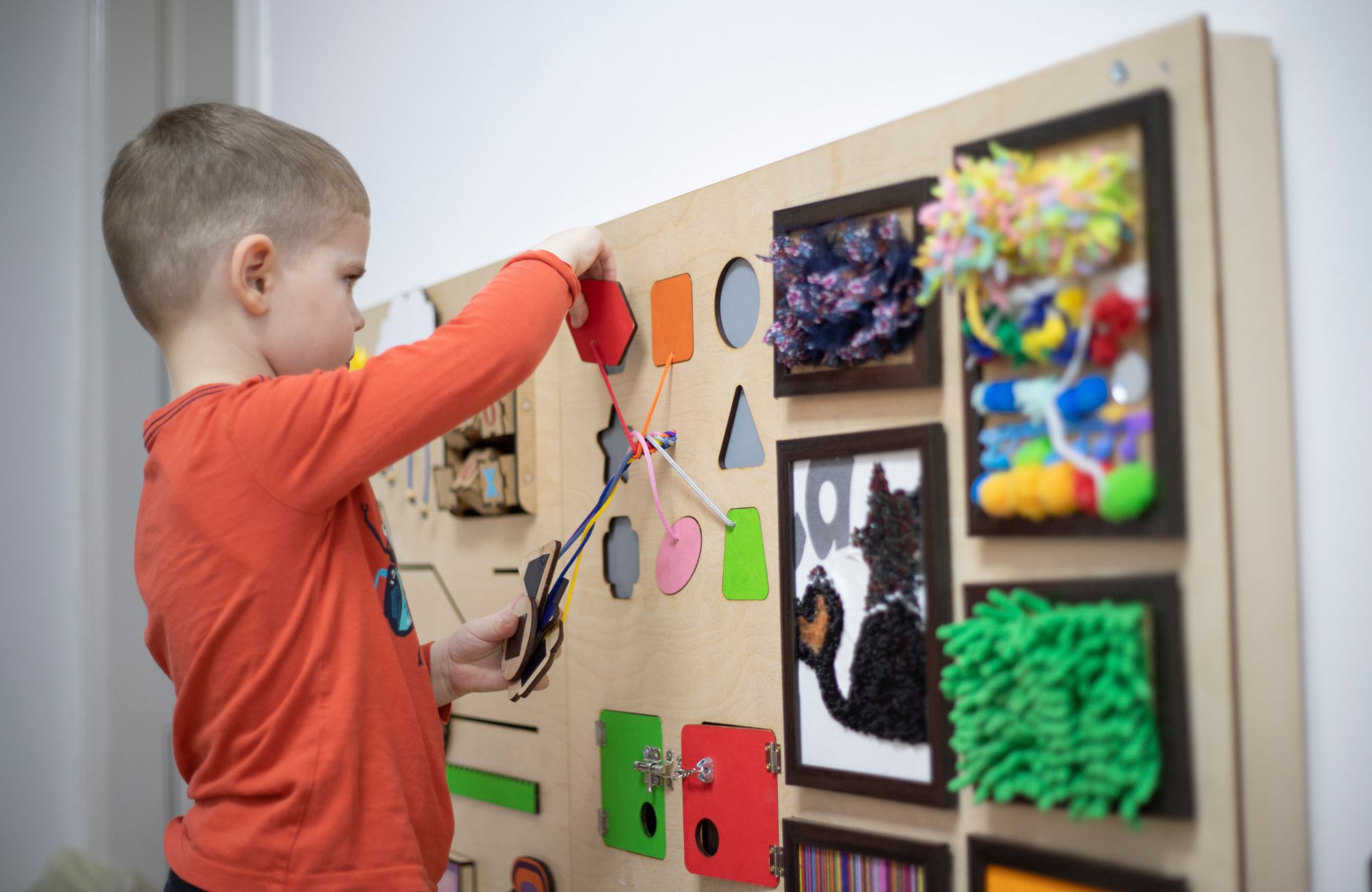
Toddlers experience the world through their senses first. Touch, movement, sound, and visual input shape how they learn, communicate, and respond to daily routines. For families raising a child on the autism spectrum, sensory experiences often play an even bigger role in behavior, engagement, and emotional regulation. Autism sensory activities for toddlers are not about keeping children busy. They are purposeful experiences that support sensory processing, early skill building, and comfort within everyday environments.
At Apple ABA, we support families across New Jersey through personalized, in-home ABA therapy. For parents in Fredon, Sussex County, and surrounding communities, sensory play is often one of the first tools used to help toddlers feel more regulated and confident at home. When introduced thoughtfully, sensory activities can help reduce anxiety, improve body awareness, and encourage early communication in a low-pressure way. This guide explains how sensory play works, how to choose the right activities for your toddler, and how ABA therapy can support long-term progress.
Why Sensory Activities Matter for Toddlers With Autism
Sensory processing refers to how the brain receives, organizes, and responds to sensory input. Many children with autism spectrum disorder (ASD) experience sensory input differently, which can affect how they react to sounds, textures, movement, and daily routines. During the toddler years, the brain is developing rapidly, and sensory experiences strongly influence emotional regulation, attention, and readiness for learning.
When sensory input is matched to a child’s needs, many toddlers show improved engagement and calmer behavior. Sensory play helps children tolerate new sensations gradually, explore their environment in a safe way, and build fine motor skills and gross motor skills through movement. Because toddlers learn best through repetition and play, sensory activities offer a natural, low-pressure way to support early coping skills and overall development.
Understanding Your Toddler’s Sensory Profile
Before choosing sensory play ideas, it helps to understand how your toddler responds to sensory input. Not all children experience sensory stimulation the same way. One activity that calms one child may overwhelm another.
Sensory Seeking Toddlers
Some toddlers actively look for sensory input throughout the day. A sensory-seeking autistic child may constantly move, climb, or seek pressure to feel organized and calm. Activities that involve movement, resistance, or body awareness often help children regulate their energy in a fun way. Options such as a short sensory walk, gentle rocking chairs, or simple movement games can support emotional regulation while improving hand eye coordination and overall engagement.
Sensory Avoiding Toddlers
Other toddlers are more sensitive to sensory stimulation and may react strongly to different textures, sounds, or visual input. These children may avoid messy play, resist new sensations, or become upset during routine activities. For sensory-avoiding kids, low-pressure sensory activities for children work best. Offering choices, introducing materials slowly, and using calming strategies like deep breathing or quiet play with soft items can help children build coping skills without feeling overwhelmed.
Why Matching Activities Matters
When sensory activities align with a toddler’s needs, participation becomes more natural and successful. Matching activities allows children to explore at their own pace while improving emotional regulation and confidence. A child’s therapist or occupational therapy provider often uses this individualized approach to help children tolerate new experiences, strengthen coping skills, and improve engagement through carefully selected sensory input.
Safety Guidelines for Toddler Sensory Play
Sensory play should always remain safe, structured, and supportive. Toddlers explore using their hands and mouths, so materials must be chosen carefully. Large items, supervised play, and short activity durations help prevent frustration or risk. Simple setups using different patterns, drawing shapes with washable food coloring, or exploring water beads under close supervision can be a great alternative to complex activities while still supporting sensory development.
10 Autism Sensory Activities for Toddlers at Home
Sensory activities do not need to be complicated or expensive. Many effective sensory play activities use simple household items and focus on exploration rather than performance. These experiences can also support early communication when paired with language-building strategies, similar to many speech therapy ideas for autism that work at home, where play becomes an opportunity for interaction, imitation, and shared attention.
Below are autism sensory activities for toddlers that can be adapted for different sensory needs and developmental levels, allowing families to support regulation, engagement, and early skill development in a natural and low-pressure way.
1. Dry Sensory Bin Exploration
A dry sensory bin is a great sensory activity that allows toddlers to explore different textures in a low-pressure way. Using materials such as dry rice, shredded paper, or larger small toys gives children sensory input without overwhelming mess. This type of sensory play supports sensory processing, fine motor skills, and hand eye coordination as toddlers scoop, pour, and explore at their own pace. For many kids, this activity provides a fun way to experience new textures while building early coping skills.
2. Water Play With a Pouring Station
Water play offers rich sensory stimulation through movement and temperature changes. A simple pouring station using cups or containers allows children to explore cause and effect while strengthening fine motor skills and coordination. Many children find water play calming, which can help reduce anxiety and support emotional regulation. This sensory activity works well during bath time and provides an interactive experience that encourages focus and exploration.
3. Bubble Play
Bubble play is a fun sensory activity that combines visual sensory input with movement. Watching bubbles float and pop supports visual tracking, attention, and early social skills such as turn taking. For an autistic child who may struggle with direct interaction, bubble play creates a low-pressure way to engage without requiring speech. This simple activity helps children remain regulated while enjoying sensory play ideas that feel light and enjoyable.
4. Finger Painting With Limited Textures
Finger painting introduces tactile sensory input using different textures in a controlled way. Using washable paint, shaving cream, or food coloring allows toddlers to explore sensory experiences while maintaining comfort. Offering tools like cookie cutters or brushes can be a great alternative for children who avoid direct touch. This activity supports fine motor skills, creativity, and sensory tolerance while helping children gradually accept new sensations.
5. Soft Texture Exploration
Soft texture play allows children to experience sensory stimulation without strong or unexpected input. Using cotton balls, soft pillows, textured fabrics, or blankets exposes toddlers to different textures in a calming way. These sensory activities for children help improve body awareness and emotional regulation, especially for kids who are sensitive to touch. Soft materials create a safe sensory experience that encourages exploration without pressure.
6. Movement Path or Sensory Walk
A sensory walk encourages full-body movement while supporting gross motor skills and body awareness. Activities such as stepping over pillows, following taped lines, or copying animal walks provide structured sensory input through movement. This type of sensory play helps children regulate energy levels while improving coordination and balance. A sensory walk is often a great sensory activity for toddlers who seek movement throughout the day.
7. Heavy Work Play
Heavy work activities provide deep pressure sensory input that helps many children feel calm and organized. Pushing baskets, carrying pillows, or pulling soft objects strengthens muscles while supporting sensory processing. Deep pressure can reduce anxiety and help children return to play more regulated. These activities are commonly recommended by occupational therapy professionals and can support self regulation in everyday routines.
8. Music and Rhythm Play
Music and rhythm activities provide auditory sensory input in a structured and engaging way. Clapping patterns, tapping instruments, or repeating simple sounds support listening skills and coordination. This sensory play activity encourages imitation and engagement while allowing children to control volume and participation. For some kids, rhythm play also supports emotional regulation and early social skills development.
9. Bath Time Sensory Games
Bath time naturally offers a rich sensory experience through water, temperature, and touch. Adding pouring cups, bubble foam, or floating toys creates sensory play activities without changing daily routines. Water play during bath time can help children tolerate grooming and improve transitions. For many families, this becomes a consistent sensory activity that supports comfort and predictability.
10. Calm-Down Corner Activities
A calm-down corner provides a safe space for self regulation when toddlers feel overwhelmed. Items such as a weighted blanket, fidget toy, rocking chairs, or soft lighting can support emotional regulation and reduce anxiety. This space helps children practice coping skills such as deep breathing and quiet play. When used consistently, a calm-down area becomes a reliable sensory strategy that supports regulation throughout the day.
How to Build Sensory Play Into Daily Toddler Routines
Sensory activities are most effective when they are part of everyday life rather than separate sessions. Toddlers thrive on predictability, and routine-based sensory input often leads to smoother transitions.
Sensory play can be naturally incorporated into:
- Morning wake-up routines
- Before meals to support focus
- Transition times between activities
- Evening wind-down before bed
Short sensory moments throughout the day help children feel regulated without overstimulation. This approach mirrors how in-home ABA therapy uses natural environment teaching to support learning within real routines.
How In-Home ABA Therapy Supports Sensory Development
While sensory activities can be helpful at home, professional guidance ensures they are matched appropriately to a child’s individual needs. ABA therapy helps identify how sensory input affects learning, behavior, and communication, allowing strategies to be introduced with intention rather than trial and error.
Through in-home ABA therapy, therapists observe children within their natural environment, where sensory challenges most often occur. This approach allows support to be built into daily routines, helping families identify sensory triggers, develop individualized strategies, strengthen parent implementation, and monitor progress over time. For families in Fredon and Sussex County, in-home services support consistency across everyday activities and environments.
When to Seek Professional Support
Some sensory challenges improve naturally as toddlers grow, while others may begin to interfere with daily routines, learning, or overall comfort. Professional support may be helpful if your toddler frequently becomes overwhelmed by everyday activities, avoids most textures or foods, struggles with transitions despite consistent routines, or shows limited engagement during play. Early guidance can help children develop coping skills before challenges become more disruptive, and seeking support does not mean something is wrong. It simply provides families with tools to better understand and support their child’s needs
Conclusion
Sensory activities play an important role in supporting early development for toddlers with autism. When introduced thoughtfully, these experiences can help build regulation, confidence, and engagement during everyday routines. By understanding your child’s sensory needs and creating low-pressure opportunities for exploration, families can support growth in a way that feels natural, supportive, and meaningful.
At Apple ABA, we provide compassionate, evidence-based ABA therapy tailored to each child’s developmental needs. Serving families across New Jersey, including Fredon, Sussex County, and surrounding communities, our team specializes in personalized in-home ABA programs, comprehensive assessments, and ongoing parent training. We work closely with families to support communication, daily living skills, and long-term progress at home and beyond. Contact us today to learn more about our flexible, family-centered services and schedule a consultation with a licensed in-home therapist.
FAQs
What are the best sensory activities for toddlers with autism?
The best sensory activities for toddlers with autism are those that match the child’s sensory preferences and developmental level. Gentle options such as water play, bubble play, soft texture exploration, and movement-based activities are often well tolerated. Keeping activities simple and low pressure helps toddlers stay engaged and comfortable.
How long should sensory play last for toddlers?
Sensory play sessions for toddlers are usually most effective when they last two to five minutes. Several short sessions throughout the day often work better than one long activity. Ending play before frustration or fatigue helps maintain positive sensory experiences.
Are sensory bins safe for toddlers?
Sensory bins can be safe for toddlers when materials are carefully selected and supervised. Avoid small items that can be mouthed or swallowed, and choose larger materials such as cotton balls, shredded paper, or oversized scoops. Close supervision and simple setups help reduce risk while supporting exploration.
Can sensory play replace ABA therapy?
Sensory play can support regulation and engagement, but it does not replace structured ABA therapy. ABA therapy focuses on communication, behavior, and learning goals through individualized planning and professional guidance. Sensory activities are most effective when used alongside therapeutic support.