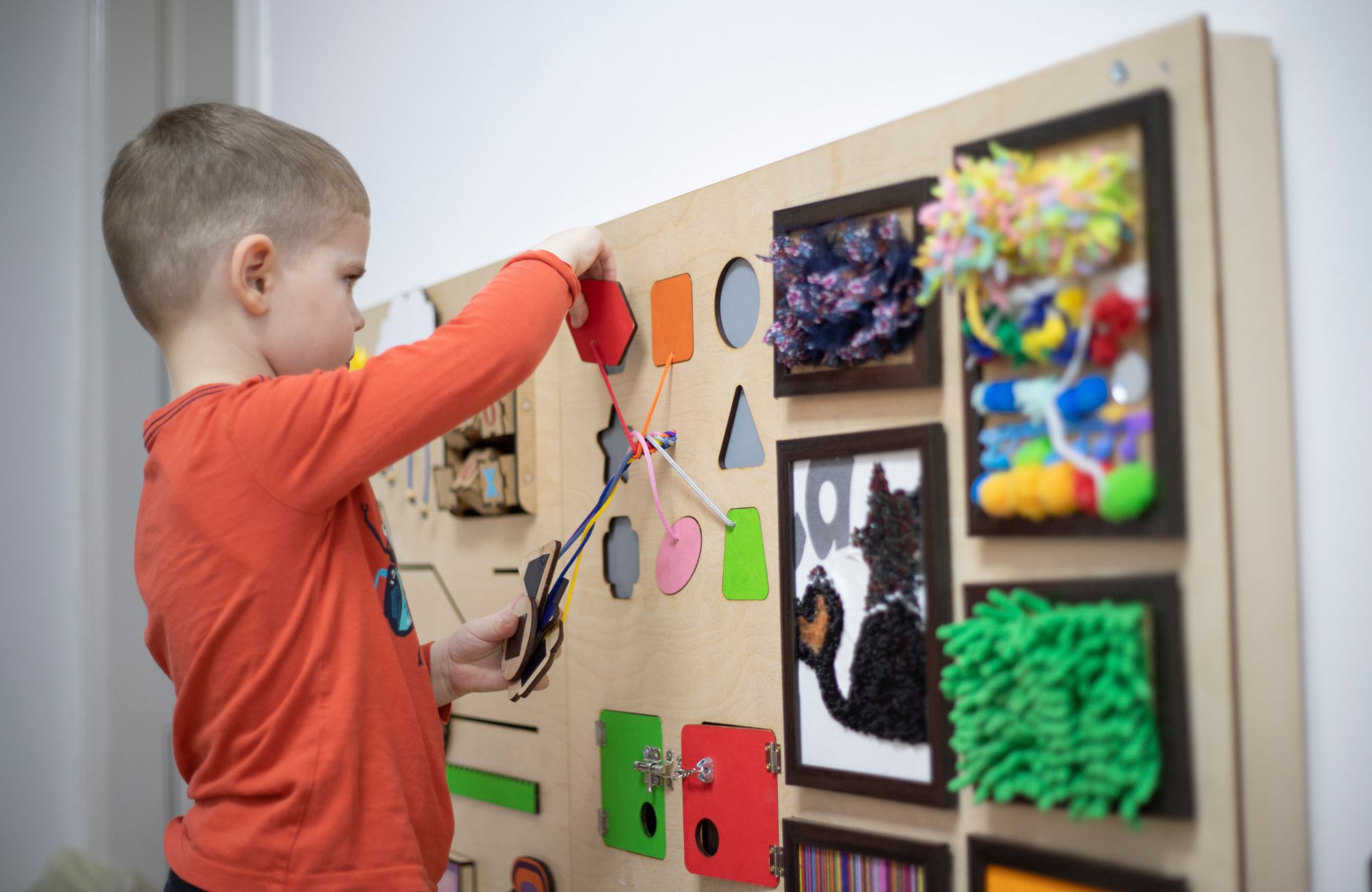
Waiting can feel extremely difficult for some autistic children, especially during transitions, delayed access to preferred activities, or unpredictable routines. Teaching waiting skills to an autistic child usually involves helping the child tolerate short successful delays first before gradually increasing waiting duration over time. In many home-based ABA therapy sessions, therapists use visual supports, positive reinforcement, and predictable routines to reduce frustration and help children understand what is expected during the waiting period. Without structured waiting practice, unexpected delays during everyday situations may lead to sensory and emotional dysregulation, communication frustration, or challenging behaviors.
Families looking for personalized, in-home support often want therapy that improves real-life functioning instead of isolated performance during structured sessions alone. At Apple ABA, our Board Certified Behavior Analysts regularly help children practice waiting skills within daily home routines across New Jersey, including families seeking Morris, NJ ABA Therapy Services. Practicing waiting skills inside familiar environments often helps children generalize skills like impulse control, communication, and emotional regulation more successfully across home, school, and community settings.
Why Waiting Is Difficult for Some Autistic Children
Waiting can feel overwhelming for autistic children because it requires several complex skills at the same time, including emotional regulation, impulse control, communication, flexibility, and delayed gratification. Some autistic children experience time differently and may struggle with abstract time concepts, which makes phrases like “later” or “wait a minute” difficult to process without visual supports. In ABA therapy, therapists often reduce waiting difficulties by using visual timers, predictable routines, consistent language, and reinforcement immediately after the child successfully waits.
Why Waiting Feels Difficult for Some Autistic Children
Waiting difficulties are not simply behavioral. In many situations, the child struggles to process uncertainty, transitions, sensory discomfort, or communication demands during the waiting period itself. Some autistic children also experience language processing delays, which can make verbal explanations harder to understand during emotionally stressful situations. Because autism experience time differently for many children, even short delays may feel unpredictable or stressful without clear visual supports.
Executive Functioning and Emotional Regulation
Research on executive functioning in autism suggests that differences in flexibility, inhibition, and emotional regulation can make delayed gratification and transitions more difficult for some autistic children. A review published through the National Library of Medicine discusses how executive functioning differences may affect emotional regulation and adaptive behavior in autism spectrum disorder. These evidence-based strategies and techniques are often incorporated into ABA therapy to help children wait patiently during everyday routines and reduce overwhelming frustration during transitions.
During in-home ABA sessions, therapists frequently observe increased frustration when:
- A preferred activity ends unexpectedly
- Adults use unclear time-based language
- The child cannot visually track time passing
- Waiting happens during sensory overload
- The environment becomes unpredictable
One child working with our therapy team became distressed every evening when tablet time ended before dinner. His BCBA replaced verbal warnings with a consistent two-minute visual countdown strip paired with immediate praise for calm transitions. After six weeks of consistent practice during evening routines, the child increased his transition tolerance from immediate crying episodes to calmly waiting nearly ninety seconds before dinner without aggressive behavior. Success builds confidence, especially when therapists immediately provide praise and use a preferred item strategy during early waiting practice.
Everyday Situations That Often Trigger Waiting Difficulties
Waiting often becomes more difficult during:
- Screen-time transitions
- Waiting for meals
- Waiting for parent attention
- Community outings
- Sibling turn-taking
- School pickup routines
- Leaving preferred activities
Visual learners usually respond better when expectations are concrete instead of abstract. That is why ABA programs frequently incorporate waiting supports such as visual schedules, wait cards, first-then boards, and visual timers into waiting practice. These ABA principles help many children understand what is happening now, how long they need to wait, and what comes next. Some therapists may also use phrases like “great waiting” during reinforcement to encourage positive behaviors and help children associate waiting with success.
How ABA Therapy Helps Teach Waiting Skills
Applied behavior analysis focuses on breaking complex skills into smaller manageable steps. Instead of expecting a child to wait several minutes immediately, therapists usually begin with short successful waiting periods that gradually increase over time.
BCBAs use a simple “Prepare, Wait, Reward” framework during home-based sessions.
Prepare
The therapist prepares the child using a visual cue, consistent language, and a simple one word directive like “wait.” Some autistic children respond better to visual supports than lengthy verbal explanations because visuals make the waiting duration easier to understand.
Wait
The child practices a waiting period they can successfully tolerate. During early sessions, this may only last three to five seconds. Children master short waits before therapists gradually increase the waiting duration.
Reward
The therapist immediately reinforces successful waiting before gradually increasing the duration over time. Reinforcement may include praise, bubbles, preferred toys, snacks, sensory activities, or access to favorite routines.
One child in our in-home ABA program initially tolerated only two seconds of waiting before grabbing snacks during meal preparation. His therapy team introduced a short waiting routine using a visual timer and immediate praise each time he waited calmly without grabbing. After several weeks of practice during meals and play routines, he independently waited nearly one minute before appropriately asking for food instead of grabbing items impulsively.
Immediate reinforcement creates positive associations with waiting, and repeated immediate success often helps increase positive behaviors over time. Therapists frequently reinforce waiting immediately during early sessions because delayed praise may fail when frustration tolerance is still developing. In some situations, therapists gradually fade reinforcement so children can tolerate longer waiting periods without needing constant rewards.
A typical waiting progression plan may look like this:
| Situation | Starting Wait Time | Long-Term Goal |
| Waiting for snack | 3 seconds | 2 minutes |
| Waiting for iPad turn | 5 seconds | 5 minutes |
| Waiting for parent attention | 10 seconds | 3 minutes |
| Waiting during transitions | 5 seconds | 2 minutes |
Functional Communication Training Helps Reduce Challenging Behaviors
Functional communication training is another important part of waiting practice. Instead of engaging in challenging behaviors, children learn safer ways to communicate frustration, request help, request breaks, or ask questions appropriately during the waiting period. Children may practice phrases like “Can I have a turn?” or “How much longer?” to replace grabbing, yelling, or avoidance behaviors during transitions and delayed gratification routines.
Functional communication training helps children wait appropriately instead of responding with aggression, avoidance, or emotional outbursts. Immediate reinforcement creates positive associations with waiting, and repeated immediate success often helps increase positive behaviors over time.
Families who continue struggling with severe waiting-related meltdowns may benefit from individualized ABA support focused on emotional regulation, communication, and transition tolerance through our Home-Based ABA Therapy services.
Best Ways to Practice Waiting Skills at Home
Children often make the strongest progress when waiting practice happens naturally throughout everyday life instead of only during structured therapy activities. Predictable routines usually create the best early opportunities because the child already understands the environment and expectations.
Therapists regularly encourage caregivers to start teaching waiting skills during calm, low-stress situations like snack preparation, bedtime routines, or waiting for help during play. These situations often create more successful early experiences than crowded or overstimulating environments.
Everyday Situations That Help Children Practice Waiting
Children often make the strongest progress when waiting practice happens naturally throughout everyday life instead of only during structured therapy activities. Predictable routines usually create the best early opportunities because the child already understands the environment and expectations.
Start With Calm Everyday Routines
Caregivers often start teaching waiting skills during calm low-stress situations like snack preparation, bedtime routines, or waiting for help during play. These situations usually create more successful early experiences than crowded or overstimulating environments.
Children may practice waiting before opening snacks, during meals, while waiting for TV or tablet access, in the car, during sibling games, or while standing in checkout lines. Turn taking games can also help teach waiting in a fun context where delayed gratification feels less stressful and more manageable for many children.
Use Visual Supports During Waiting Practice
Visual supports are especially important because autistic children often process visual information more effectively than spoken language alone. A child’s visual schedule can reduce uncertainty and help children understand what is happening now, what comes next, and how long the waiting period may last. Therapists frequently incorporate visual schedules, visual timers, countdown strips, wait cards, picture schedules, token systems, and first-then boards into waiting practice routines.
Unlike verbal explanations alone, visual supports often help children understand how long they are expected to wait and what happens next.
One family struggled every morning because their child became upset while waiting to leave for school. Their BCBA introduced a simple visual countdown timer during backpack and shoe routines. Within several weeks, transitions became calmer because the child could visually track time passing instead of relying only on verbal reminders.
Give Children Activities During Waiting Periods
Therapists also recommend giving children meaningful activities during waiting periods. Passive waiting often feels significantly harder than active waiting because some children struggle more when they do not have structured sensory input or a clear way to track progress during the waiting period.
Helpful waiting activities may include:
- Stress balls
- Sensory toys
- Coloring activities
- Counting games
- Deep breathing exercises
- Fidget tools
- Short movement breaks
Waiting kits can transform passive waiting into more manageable sensory and emotional regulation time during appointments, restaurants, or community outings.
Turn-taking games can also help teach waiting in a fun context where delayed gratification feels less stressful. Board games, races, snack-sharing activities, and sibling routines naturally build impulse control and patience.
Common Mistakes When Teaching Waiting Skills
Parents often unintentionally make waiting harder by increasing expectations too quickly or practicing during stressful situations. Waiting skills usually improve faster when children experience repeated success instead of repeated frustration.
One common mistake involves extending waiting duration too aggressively after early progress. A child who successfully waits for ten seconds may still become overwhelmed if adults suddenly expect several minutes.
Another issue involves vague language. Statements like “later” or “soon” may increase anxiety because the child cannot clearly understand how long the waiting period will last.
Families should also avoid:
- Practicing during sensory overload
- Removing preferred items abruptly
- Giving inconsistent reinforcement
- Using punishment-focused responses
- Talking excessively during frustration
- Starting practice during difficult transitions
Some children may need shorter wait time expectations temporarily after difficult school days, poor sleep, illness, or overwhelming sensory experiences. Therapists sometimes shorten waiting expectations temporarily so children can continue building confidence instead of associating waiting with failure or stress.
Children frequently tolerate waiting better when expectations remain visually predictable and emotionally manageable.
When Waiting Difficulties May Need Professional Help
Waiting difficulties sometimes interfere with school participation, family routines, social interactions, or community outings. In these situations, individualized ABA therapy may help identify the underlying triggers contributing to frustration and emotional dysregulation.
Professional support may help when:
- Waiting consistently leads to aggression
- Delays trigger self-injury
- Community outings become unsafe
- Waiting interferes with school participation
- Transitions regularly cause severe meltdowns
- Home strategies are no longer improving progress
Functional behavior assessments can help therapists determine whether behaviors are related to escape, communication frustration, sensory overload, anxiety, or difficulty processing delayed gratification.
When waiting causes screaming, hitting, crying, or severe frustration, therapists often temporarily reduce the waiting duration and return to shorter successful steps.
Helpful adjustments may include:
| Trigger | Helpful Adjustment |
| Loud environment | Move to quieter space |
| Hunger | Practice after meals |
| Fatigue | Use shorter waits |
| Transition anxiety | Add visual countdown |
| Screen-time changes | Use predictable timer warnings |
Children often tolerate waiting better when adults remain calm and predictable during frustration. Rapid verbal instructions or emotional reactions can unintentionally increase sensory and emotional dysregulation.
How In-Home ABA Therapy Helps Children Generalize Waiting Skills
Waiting skills become more useful when children can apply them across different settings instead of only during therapy sessions. In-home ABA therapy helps children practice patience inside the same routines where delays naturally happen every day.
During home sessions, therapists may target:
- Waiting during meals
- Waiting during sibling play
- Waiting for caregiver attention
- Waiting during bathroom routines
- Waiting before preferred activities
- Waiting during bedtime transitions
This natural environment teaching approach helps children generalize skills more effectively because therapy happens where real emotional challenges occur in everyday life.
Parent coaching also plays a major role in long-term success. Therapists collaborate directly with caregivers to create consistent language, reinforcement systems, and waiting expectations across different settings.
At Concierge Care, families receive highly personalized support designed around their routines, schedules, and developmental goals. This concierge-level approach helps many families feel more supported during difficult transitions and behavioral challenges.
Families in Morris County, New Jersey and surrounding communities often benefit from practicing waiting skills directly within real daily routines instead of isolated clinic-only activities.
Signs Your Child Is Making Progress With Waiting Skills
Waiting progress usually develops gradually through small improvements during everyday routines rather than dramatic overnight changes. Success builds confidence slowly through repeated positive experiences and consistent ABA principles.
Parents often first notice progress when transitions feel smoother, waiting periods gradually increase, meltdowns become shorter, and fewer prompts are needed during everyday situations. Some children also begin requesting help appropriately, participating more successfully in sibling activities, and showing better impulse control during unexpected delays.
One parent in our program reported that her child initially screamed every time dinner preparation started because waiting for food felt overwhelming frustration. After several weeks using a visual timer, structured praise, and predictable snack routines, he began independently asking “How much longer?” instead of crying or grabbing food.
Conclusion
Teaching waiting skills to autistic children takes time, consistency, and realistic expectations, especially when waiting difficulties are connected to communication challenges, sensory overload, emotional regulation, or transitions away from preferred activities. Children often make stronger progress when waiting practice happens gradually inside familiar routines where they can build confidence through repeated success. With the right ABA strategies, visual supports, reinforcement systems, and caregiver collaboration, waiting can become more manageable for both children and families over time.
At Apple ABA, our Board Certified Behavior Analysts (BCBAs) regularly help families build waiting skills through personalized in-home ABA therapy across Morris County, Passaic County, Mahwah, Totowa, West Paterson, and nearby New Jersey communities. Through caregiver collaboration, natural environment teaching, and individualized therapy plans, we help children strengthen communication, emotional regulation, and daily living skills within real-world home routines. Contact us to learn more about our family-centered ABA services and schedule a consultation.
FAQs
How to teach a child with autism to wait?
Start with very short wait times and immediately reward successful waiting. Visual supports, predictable routines, and positive reinforcement help reduce frustration and build waiting skills gradually.
What is the 6 second rule in autism?
The 6 second rule refers to giving autistic children extra processing time before repeating instructions. This helps reduce stress and allows children more time to understand and respond independently.
How to teach an autistic child patience?
Teaching patience works best through gradual waiting practice, visual schedules, reinforcement, and turn-taking activities. Short successful waits help children build delayed gratification and emotional regulation over time.
What resources are needed to teach students with autism?
Helpful resources may include visual timers, wait cards, first-then boards, sensory supports, token systems, stress balls, and individualized ABA strategies tailored to the child’s needs.