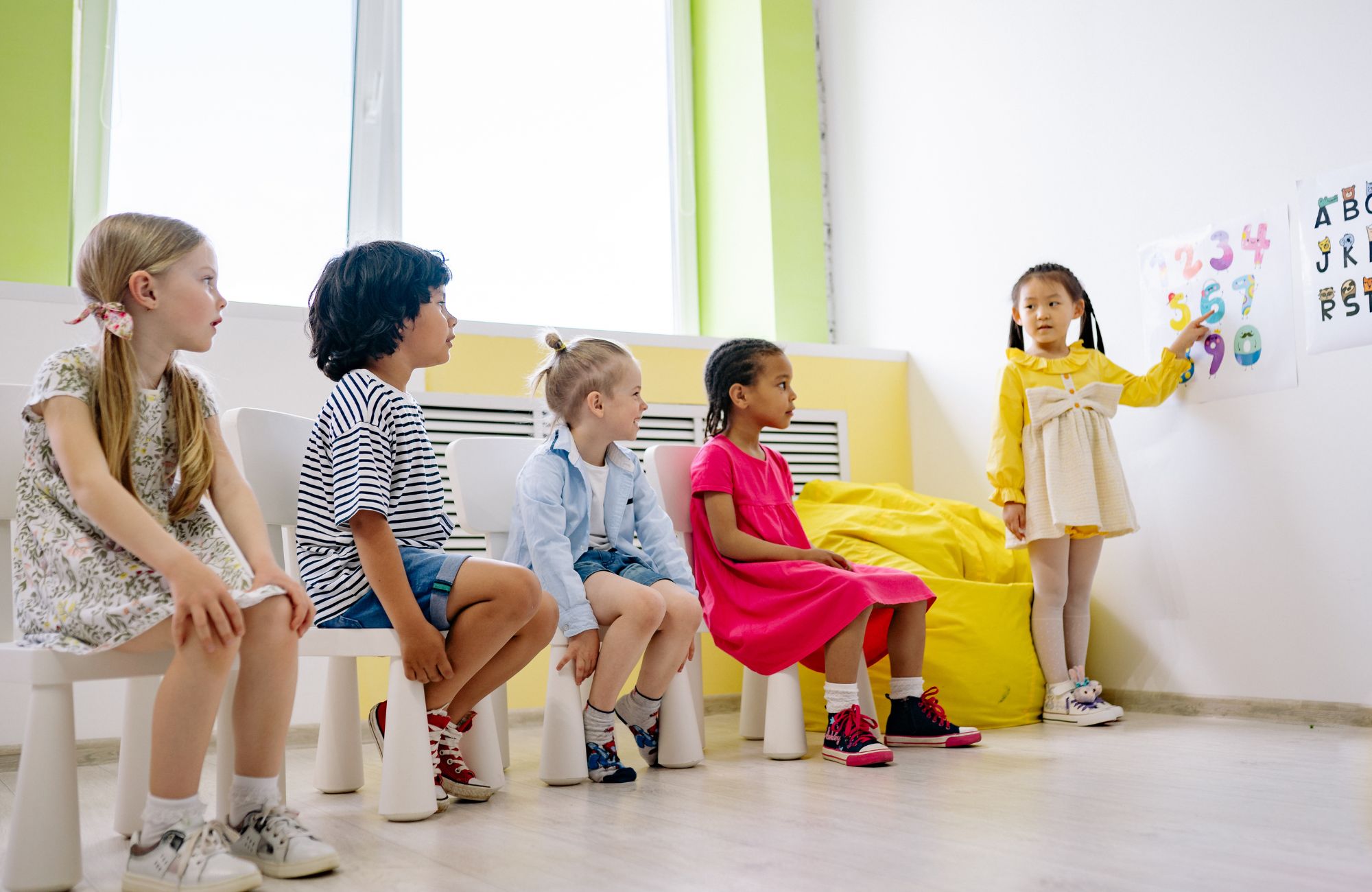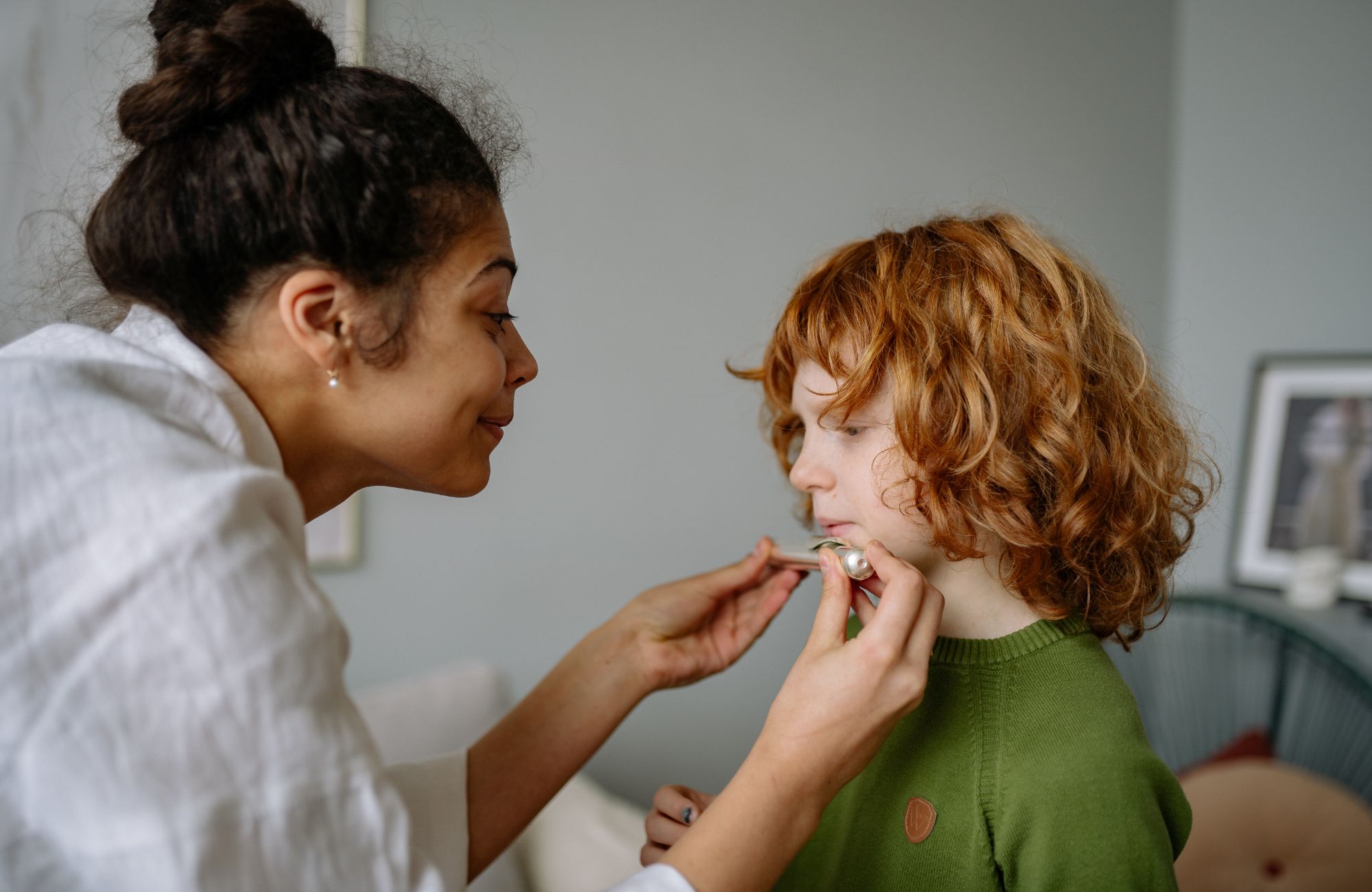
Teaching receptive language to an autistic child can feel overwhelming, especially when your child does not respond to simple directions or seems to struggle with understanding words. Many parents assume their child is not listening, when in reality, the challenge often lies in how they process language. Receptive language is the foundation for communication, and building it requires structure, patience, and the right teaching approach when teaching children with developmental disorders, including toddlers and young adults.
The good news is that receptive language skills can improve with consistent practice and evidence-based strategies like applied behavior analysis (ABA). When these strategies are used in familiar, real-life settings, children often make more meaningful progress. In some cases, support from a speech therapist or speech therapy services can also help determine the best approach. For families in New Jersey, including Netcong and Morris County, Apple ABA provides in-home ABA therapy that focuses on helping children build language skills using practical tools, resources, and ideas in the environment where they feel most comfortable.
Table of Contents
ToggleWhat Is Receptive Language in Autism? (And Why It Matters)
Receptive language refers to a child’s ability to understand language, including words, directions, and communication from others. In behavior analysis, it is often described as “listener behavior” because it focuses on how a child processes and responds to spoken language and talking. Unlike expressive language, which involves speaking, receptive language skills center on understanding and responding. These skills include following simple directions, identifying objects, recognizing body parts, and responding to familiar words or questions used by parents, teachers, and students in everyday settings.
For many autistic children, receptive language impairments can make it difficult to understand language and respond appropriately. A child may hear words but struggle with processing, which can impact communication, safety, and overall language development. For example, difficulty following directions like “come here” or “give me the toy car” can affect daily routines and behavior. Research in speech language and autism, including studies published in the American Journal of Speech-Language Pathology, suggests that early language intervention supports stronger communication outcomes over time. Building receptive language skills early can help improve understanding, expressive language, and overall development in many autistic children. Developing receptive language early supports expressive language, communication, and independence in many autistic children.
Signs Your Child May Struggle With Receptive Language
Understanding receptive language difficulties can be challenging because they often appear as behavior issues rather than a language disorder. Receptive language refers to how a child understands language, including words, directions, and communication, and difficulties in this area can affect listening, responding, and overall language development. Recognizing these signs early helps parents begin teaching receptive language, explore helpful speech therapy ideas, and support skill building more effectively.
Common signs include:
- Difficulty following simple directions or receptive commands such as “come here” or “pick up the object”
- Needing repeated instructions before responding to spoken language
- Not responding to their name consistently, showing challenges with listener behavior
- Trouble identifying familiar objects, pictures, or household items, affecting receptive vocabulary
- Appearing confused when given directions or answering questions
These signs are common in many autistic children and often reflect receptive language impairments rather than behavior problems. With consistent receptive language activities, structured teaching, and support through applied behavior analysis, children can improve their ability to understand language, follow directions, and communicate more effectively over time.
Step-by-Step: Teaching Receptive Language to an Autistic Child
A structured, step-by-step approach is one of the most effective ways to support receptive language development. Instead of jumping into complex tasks, children benefit from building prerequisite skills first and gradually increasing difficulty. This method aligns with applied behavior analysis and helps ensure steady progress.
Step 1 – Build Attention and Joint Engagement
Before teaching receptive language to an autistic child, it is important to build attention and joint engagement, which are essential prerequisite skills in applied behavior analysis. Receptive language depends on a child’s ability to listen, focus, and respond to another person, often referred to as listener behavior. Without this foundation, teaching receptive commands and following directions becomes more difficult. You can support this stage by engaging your child in play using preferred toys, pictures, or household items while encouraging eye contact and response to their name. Reinforcing small moments of attention helps strengthen receptive language skills, communication, and overall language development.
Step 2 – Start With One-Step Directions
Once your child shows improved listening and attention, begin teaching receptive language using simple commands and one-step directions. These instructions should be clear, short, and easy to understand to support receptive language development and reduce confusion. Examples include “clap your hands,” “sit down,” or “give me the toy car,” which help children understand language and respond appropriately. Practicing these receptive language activities consistently allows many autistic children to build foundational language skills and improve their ability to follow directions. Positive reinforcement is important in this stage, as it helps connect the instruction with the correct response and supports ongoing skill building.
Step 3 – Use Visual Supports and Modeling
Many autistic children benefit from visual supports when learning receptive language skills, especially those with receptive language impairments or language disorders. Pairing spoken language with gestures, pictures, or modeling helps children understand language more effectively and supports communication development. Modeling involves showing the expected behavior, which makes receptive commands clearer and easier to follow. For example, when teaching body parts or simple directions like “touch your head,” demonstrating the action can improve understanding. Over time, prompts can be gradually reduced to encourage independent responses and strengthen receptive vocabulary.
Step 4 – Practice Object Identification
Practicing object identification is a key part of teaching receptive vocabulary and building receptive language skills. This step helps children receptively identify objects, pictures, and common household items, strengthening their ability to understand words and directions. Activities such as “give me the toy car,” “point to the cup,” or “show me the ball” support language development and improve listening skills. Using familiar objects makes it easier for children to connect words with meaning and apply these skills in real-life situations. This type of practice also supports matching skills and early concepts like matching to sample, which are important in behavior analysis.
Step 5 – Progress to Two-Step Directions
As your child’s receptive language improves, you can begin introducing more complex tasks such as two-step directions. These instructions require the child to process multiple pieces of information, which strengthens listening, memory, and overall language skills. Examples include “pick up the toy and give it to me” or “get your shoes and bring them here,” which build on earlier receptive commands. Teaching receptive language at this stage supports more advanced communication, including answering questions and understanding longer instructions. It is important to maintain consistency, provide reinforcement, and adjust the pace based on your child’s ability to ensure steady progress in language development.
Best ABA Strategies for Receptive Language Development
Applied behavior analysis provides a structured, evidence-based approach to teaching receptive language and building receptive language skills in autistic children. These strategies focus on helping a child understand language, follow directions, and respond to receptive commands through consistent, step-by-step teaching. Before starting, it is important to create a calm and structured environment where expectations are clear and distractions are limited. This allows children to focus on listening, processing, and responding, which supports overall language development and communication.
Effective ABA strategies include prompting and fading to guide correct responses, positive reinforcement to build motivation, repetition and consistency to strengthen understanding, and natural environment teaching to apply skills in real-life situations. These methods support skill building by helping children practice receptive language activities using everyday objects, pictures, and routines. In-home ABA therapy makes it easier to apply these strategies throughout the day, allowing children to learn in familiar settings. Therapists in New Jersey use these approaches to create personalized programs that support receptive language, communication, and long-term progress.
How to Practice Receptive Language in Daily Routines at Home
Practicing receptive language during daily routines is one of the most effective ways to build receptive language skills and support language development in autistic children. When teaching receptive language through real-life activities, children are more likely to understand language, follow directions, and respond to simple commands naturally. These everyday interactions help strengthen receptive vocabulary, listening, and communication without needing structured materials.
| Routine | Example Activity | Skill Built |
| Mealtime | “Give me your spoon” | Following directions |
| Bath time | “Wash your hands” | Understanding commands |
| Playtime | “Pick up the ball” | Object identification |
| Dressing | “Put on your shoes” | Sequencing and listening |
These simple receptive language activities using household items create consistent opportunities for skill building and help many autistic children improve their ability to understand language. When practiced regularly, these small moments support stronger communication, better listening, and greater independence over time.
How Long Does It Take to Improve Receptive Language?
Progress in receptive language varies from child to child, especially among autistic children with different developmental levels and receptive language impairments. Some children respond quickly to structured teaching, while others need more repetition, consistent practice, and support to build receptive language skills. Factors such as age, ability, and how often receptive language activities are practiced all influence how quickly a child can understand language and follow directions. It is important to focus on small, meaningful improvements like responding to a name, following simple commands, or identifying objects, as these are key milestones in language development. With consistent support, including applied behavior analysis and in-home ABA therapy, many autistic children show steady progress over time, especially when early intervention and parent involvement are part of the process.
When to Seek Professional Help for Receptive Language Delays
While many parents can support receptive language development at home, there are times when professional guidance is necessary, especially if a child shows ongoing receptive language impairments or difficulty understanding language. If your child does not respond to their name consistently, struggles to follow simple directions even with prompts, or shows little progress despite regular receptive language activities, early intervention can make a significant difference. These signs may indicate challenges with receptive language skills, communication, and overall language development. Applied behavior analysis is one of the most effective treatment options for teaching receptive language and improving listener behavior in autistic children.
Why In-Home ABA Therapy Works Best for Language Development
In-home ABA therapy offers a strong advantage when teaching receptive language because children learn in the same environment where they use communication every day. Practicing receptive language skills in familiar settings helps children better understand language, follow directions, and respond to receptive commands in real-life situations. This approach also allows therapists to tailor strategies based on the child’s routines, preferences, and daily interactions, which supports more effective language development. Children often feel more comfortable at home, which can improve focus, reduce stress, and encourage consistent participation in receptive language activities.
Compared to clinic-based therapy, home-based ABA services provide familiar surroundings, real-life practice using household items, greater parent involvement, and flexible scheduling that fits family routines. These factors help reinforce skill-building and make it easier for many autistic children to apply what they learn across different situations. Families in New Jersey, including those in Netcong and Morris County, can explore in-home ABA therapy services designed to support communication, receptive language development, and long-term progress in a personalized, family-centered setting.
Conclusion
Teaching receptive language to an autistic child takes patience, repetition, and the right strategies, but consistent support can lead to meaningful progress over time. By focusing on foundational listening skills, practicing receptive language activities during daily routines, and using evidence-based methods like applied behavior analysis, parents can help their child improve understanding, communication, and independence in everyday life. Early intervention and structured guidance often make a significant difference, especially when receptive language difficulties begin affecting learning, behavior, and social development.
At Apple ABA, we provide compassionate, evidence-based ABA therapy designed around each child’s unique developmental goals. Serving families throughout New Jersey, including Morris County, Netcong, Passaic County, Ringwood, Riverdale, and surrounding communities, our team delivers personalized in-home ABA therapy, comprehensive assessments, and ongoing parent collaboration to support lasting progress. We help children strengthen receptive language, communication, social interaction, and daily living skills in the environment where they feel most comfortable. Contact us today to learn more about our flexible, family-centered ABA programs and schedule a consultation with an experienced in-home ABA therapist.
FAQs
How do you teach receptive language step by step?
Start with attention and joint engagement, then teach simple directions, object identification, and basic instructions. Use ABA strategies like prompting and reinforcement for steady progress.
What if my child doesn’t follow instructions at all?
It may be a receptive language issue, not behavior. Begin with simple commands, use visual supports, and consider structured guidance from an ABA therapist.
Does ABA therapy help with receptive language?
Yes, ABA therapy uses structured teaching and reinforcement to improve understanding and responses. It is highly effective, especially when practiced in real-life settings.
How is receptive language different from expressive language?
Receptive language refers to understanding words, directions, and spoken language, while expressive language involves speaking and communicating thoughts. Strong receptive language skills support overall communication, as many autistic children need to understand language before they can effectively express it.