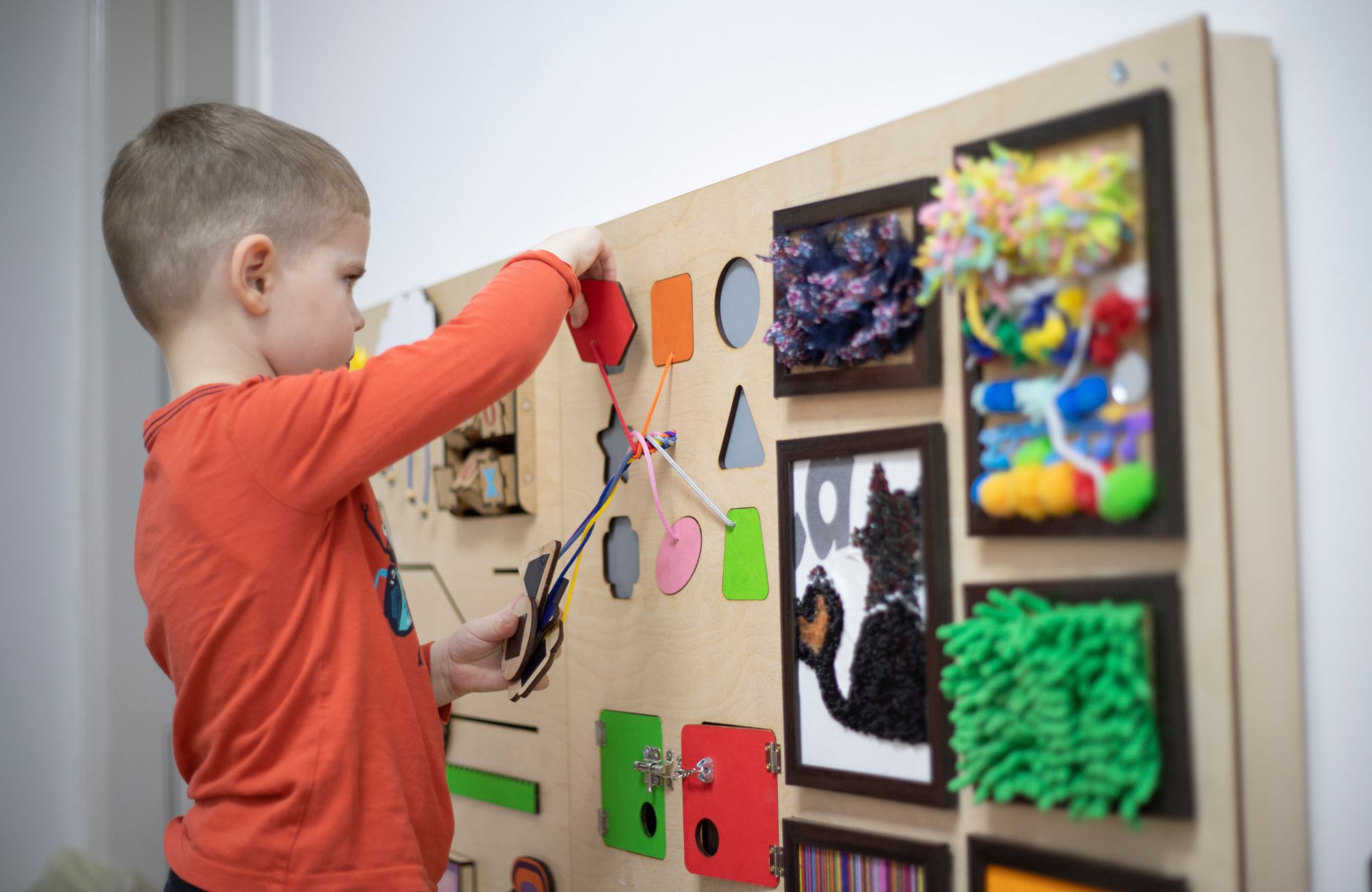
Teaching turn taking to an autistic child starts with helping them understand that interaction is a back-and-forth process. Many autistic children struggle with waiting, sharing attention, reading social cues, and managing impulse control, which can make turn-taking feel frustrating instead of enjoyable. With structured support, visual supports, positive reinforcement, and consistent practice, children with autism can gradually build turn-taking skills that improve communication skills, emotional regulation, and social interaction in everyday life.
For many families in West Paterson, Passaic County, and throughout New Jersey, the biggest challenge is knowing how to effectively teach turn-taking without creating stress or meltdowns. In-home ABA therapy helps break these skills into manageable steps using real-life situations, engaging games, and evidence-based strategies designed around the child’s developmental level. This guide explains exactly how teaching turn-taking works, what progress actually looks like, and how parents can support social skills development at home.
Why Turn-Taking Is Difficult for Children With Autism
Turn-taking is hard for many children with autism because it requires several skills at once, including communication, impulse control, emotional regulation, and reading social cues. According to the Centers for Disease Control and Prevention and the National Institute of Mental Health, autistic children commonly experience differences in social communication and interaction, which can make waiting or sharing during play feel overwhelming. A 2023 review published in the National Library of Medicine also found that structured social learning and repeated guided interaction can support communication and social participation over time.
In real-life settings, this may look like grabbing toys, leaving a game after a few seconds, or becoming upset during a short waiting period. Therapists commonly see children try to hold all game pieces or restart activities when another person takes a turn because the structure of shared interaction still feels unfamiliar. During early sessions, therapists often begin with wait times as short as 1–2 seconds during preferred activities like sensory play or toy cars. Many autistic children who initially grab materials or leave games early begin tolerating short back-and-forth exchanges within the first few weeks because the interaction feels more predictable and low-pressure.
The 3-Stage Turn-Taking Development Model
Many autistic children learn turn-taking gradually instead of immediately. Understanding these stages helps parents set realistic expectations during the learning process.
Stage 1 – Recognition and Predictability
The first goal is understanding “my turn” and “your turn.” Therapists often use visual supports, simple cues, visual schedules, and repetitive activities to build predictability.
Stage 2 – Guided Participation
Children begin practicing turn-taking with prompts, positive reinforcement, and direct feedback. Activities stay short, playful, and structured to reduce frustration during social interaction.
Stage 3 – Independent Turn Taking
By this stage, many children can wait through multiple turns during simple games without physical prompting. Therapists may still use visual reminders or verbal cues during harder social situations like sibling interaction or group settings.
How to Teach Turn-Taking to an Autistic Child at Home
Most children respond better when turn-taking practice feels short, familiar, and connected to activities they already enjoy. Many children respond better when learning happens gradually through short, successful interactions instead of long waiting activities.
Here are some effective strategies for teaching turn-taking at home:
- Start with preferred activities
Use sensory play, building blocks, or simple games that the child already enjoys. - Keep turns short
Begin with a very short waiting period of only a few seconds to reduce frustration. - Use visual cues
Visual schedules, turn cards, and simple prompts help children understand the pattern. - Pair language with action
Repeat phrases like “my turn” and “your turn” during activities. - Reinforce immediately
Give positive feedback right after successful turn-taking attempts. - Practice during everyday activities
Use snack time, building projects, conversations, and game playing to build turn-taking naturally.
For example, therapists may use building block towers or toy cars to create short back-and-forth exchanges. Children often participate longer when the activity has a clear routine and immediate feedback, especially during preferred play like blocks, sensory bins, or movement games.
What Teaching Turn-Taking Looks Like in a Real ABA Session
Parents often hear general advice about turn-taking but rarely see how it is actually taught during therapy. In many ABA sessions, therapists first focus on building engagement so the child feels comfortable participating before introducing waiting activities or structured games. Early sessions usually involve short, successful interactions, with therapists tracking simple goals like waiting a few seconds, sharing materials, or completing several back-and-forth exchanges to gradually build confidence and emotional regulation.
For example, one child who initially walked away after every student’s turn began staying engaged for five consecutive exchanges after therapists introduced short movement breaks and immediate positive feedback between turns. Therapists often track small milestones, such as waiting five seconds, responding to a verbal instruction, or completing several successful exchanges during game playing.
A real session may look like this:
- The therapist introduces a highly preferred toy or sensory play activity
- The therapist models a student’s turn using clear verbal instruction
- A short waiting period is introduced, often just 1–3 seconds
- The child receives immediate positive feedback after success
- Visual supports are added if the child struggles to understand the pattern
- Prompting gradually decreases as independence improves
Many therapists intentionally end activities before frustration escalates, so the child continues associating turn-taking with successful interaction rather than stress. With repeated practice, many children gradually tolerate longer exchanges and participate more consistently during shared activities.
Common Mistakes When Teaching Turn-Taking
Many families practice turn-taking regularly but still struggle to see progress because the activity becomes too difficult too quickly. Therapists often see better results when activities stay short, playful, and predictable so children feel supported instead of pressured during social interaction.
Many parents unintentionally introduce waiting activities too quickly or turn structured games into performance-based tasks. Therapists usually see stronger social engagement when activities stay playful, manageable, and focused on positive feedback instead of perfect performance.
Common mistakes include:
- Introducing waiting activities too early
- Using activities the child does not enjoy
- Giving inconsistent verbal or visual cues
- Reinforcing too late
- Expecting independent turn taking too quick
Even reducing wait times by a few seconds or switching to a preferred activity can noticeably improve participation during practice. Keeping interactions positive, manageable, and engaging often leads to better participation and more consistent progress over time.
Best Activities for Teaching Turn-Taking
The best turn-taking activities are simple, repetitive, and easy to follow. Many engaging activities for autistic kids work best when they involve short routines, clear expectations, and minimal waiting time.
Some effective activities include:
- Rolling a ball back and forth
- Building block towers together
- Taking turns during sensory play
- Simple board games with one-step rules
- Activities involving rolling dice
- Passing objects during music or movement games
Therapists usually focus on increasing comfort and participation before expecting full independence. A child successfully waiting five seconds during a preferred game is often more meaningful than completing a long, structured activity with distress.
Why In-Home ABA Therapy Works Better for Turn-Taking
Children with autism often struggle to use skills learned in one setting during everyday life. A child may take turns successfully in a clinic but still have difficulty during play, meals, or conversations at home. In-home ABA therapy helps children practice turn-taking in familiar routines and real-life social situations.
In-home sessions also allow parents to practice the same turn-taking strategies during meals, sibling play, and bedtime routines, which improves carryover between therapy and daily life. Familiar routines at home often reduce anxiety and make it easier for children to practice communication skills consistently.
Families looking for in-home ABA therapy in New Jersey can also explore ABA assessments, parent support services, and Passaic County ABA therapy programs designed around each child’s communication skills and developmental needs.
Conclusion
Teaching turn-taking to an autistic child takes patience, structure, and consistent support, but it can create meaningful improvements in communication skills, emotional regulation, and everyday social interaction. Small moments like waiting during a game, sharing materials, or responding to verbal or visual cues help children build foundational social skills that carry into home, school, and community settings. Over time, repeated successful interactions help many autistic children feel more comfortable waiting, responding, and participating during everyday social situations.
At Apple ABA, we provide personalized in-home ABA therapy designed to help children build independence in real-life settings. Our team supports families across New Jersey, including Passaic County, West Paterson, and nearby communities with flexible scheduling, caregiver collaboration, and no-waitlist access to care. Through customized therapy plans, assessments, and ongoing parent support, we help children strengthen communication, social, and daily living skills in the comfort of their home. If you’re unsure where to start, working with a qualified ABA provider can help you avoid common mistakes and build a system that works around your child’s developmental level, learning style, and long-term goals. Contact us to learn more about our family-centered ABA services and schedule a consultation.
FAQs
How to teach an autistic child to take turns?
Start with simple, preferred activities and use clear visual supports, short waiting periods, and positive reinforcement. Consistent practice helps children gradually build turn-taking skills.
How to teach a child to take turns?
Use structured games and clear verbal or visual cues to create a predictable back-and-forth pattern. Keep activities short and engaging to reduce frustration.
What are the simple turn-taking activities?
Simple activities include rolling a ball, stacking building blocks, sensory play, and beginner board games. These activities help children practice social interaction in a structured way.
How to teach conversational turn-taking?
Model short conversations with pauses and prompts so the child learns when it is their turn to speak. Visual cues and repeated practice can improve communication skills over time.