An autism independent living skills checklist helps families identify the daily skills children need to participate more independently at home, school, and in the community. These skills include communication, self-care, safety awareness, emotional regulation, household routines, and social interaction. Many families use in-home ABA therapy and structured support to help children practice these skills consistently in real-life environments.
For autistic children, independence often develops gradually through repetition, visual supports, predictable expectations, and caregiver guidance. Some children may first learn to wash hands or put on shoes independently before moving toward more advanced life skills like preparing snacks, handling money skills, or learning transportation safety. Families across Morris County, including children receiving ABA therapy in Mendham Township, often benefit from home-based ABA support that helps children practice life skills directly within familiar family routines and everyday environments.
What Are Independent Living Skills for Autism?
Independent living skills are the everyday abilities children use to manage personal care, communication, routines, social interaction, and participation in family life. These daily living skills help children complete everyday tasks with less support over time.
Teaching daily living skills at a young age can help an autistic person build confidence at his or her own pace while improving participation across school, home, leisure, and community settings.
Why These Skills Can Be Difficult
For many autistic children, developing independent living skills requires more direct teaching than it may for neurotypical peers. Executive functioning differences, sensory input challenges, communication barriers, and anxiety around unfamiliar situations can make even simple activities feel overwhelming.
A child may know how to complete part of a task but still struggle with transitions, body language cues, sequencing, or tolerating the activity itself because of sensory discomfort within his or her environment.
Research published through the National Institutes of Health links adaptive daily living skills with stronger long-term independence and quality-of-life outcomes for autistic individuals. This is why many ABA programs prioritize hygiene, communication, safety, and self-care routines early in treatment planning.
An autism-specific independent living checklist often places additional focus on sensory needs, predictable routines, and communication support because these factors strongly affect how successfully a child completes everyday tasks.
Common Independent Living Skills
Common independent living skills may include brushing teeth, washing hands, getting dressed, following morning routines, asking for help appropriately, cleaning up toys, preparing snacks, following visual schedules, using household appliances safely, and participating in social activities.
A comprehensive independent living checklist helps break larger routines into smaller, manageable tasks so children can build confidence gradually instead of feeling overwhelmed by multi-step expectations.
One important detail caregivers often notice is that a child may perform a skill successfully in one setting but struggle somewhere else. For example, a child may independently wash hands at school but avoid the same task at home because the bathroom lighting, sounds, or transitions feel different.
Why Independent Living Skills Matter for Long-Term Success
Independent living skills for autistic children typically fall into five categories: self-care, communication, safety awareness, household participation, and community navigation. Most ABA programs prioritize these areas because they directly affect long-term independence and quality of life.
For many families, building skills gradually inside familiar routines creates a more supportive environment where children feel less overwhelmed during everyday responsibilities.
What Progress Usually Looks Like
Children with autism often show independent living progress through reduced prompting, smoother transitions, improved task initiation, and greater tolerance for routines before full independence develops.
During home-based ABA sessions, therapists often notice meaningful progress several weeks before families recognize major changes at home. For example, one child who initially resisted toothbrushing began independently retrieving the toothbrush and tolerating nearly two minutes of brushing before verbal prompting was needed.
One 9-year-old child receiving home-based ABA therapy initially required full verbal prompting during morning dressing routines. After six weeks of visual schedule practice and reduced verbal prompting, the child independently selected weather-appropriate clothing during four consecutive school mornings.
In many home-based ABA sessions, therapists track smaller indicators of adaptive growth before expecting full independence. These smaller improvements often include starting the first step independently, responding to visual cues faster, recovering from transitions more calmly, and needing fewer repeated verbal reminders throughout the day.
The “Less Prompt, More Progress” Framework
The “Less Prompt, More Progress” Framework is an adaptive skill-building approach commonly used during home-based ABA therapy to measure independence beyond simple task completion.
Instead of measuring success only by whether a child completes a routine independently, therapists often monitor smaller indicators that predict stronger long-term adaptive functioning. These indicators may include:
- initiating the first step independently
- tolerating routines longer without avoidance
- responding to visual schedules before verbal prompts
- completing familiar routines across multiple settings
- asking for help appropriately before becoming overwhelmed
Therapists often use these smaller participation changes to guide prompt fading decisions during home routines. In many cases, children begin showing measurable reductions in caregiver prompting several weeks before full routine independence develops.
Autism Independent Living Skills Checklist by Skill Level
Many autism blogs only provide broad categories, but children often benefit from goals that match their developmental level and learning pace. Breaking skills into beginner, developing, and more independent stages helps families identify realistic next steps.
| Skill Area | Emerging Skills | Developing Skills | More Independent Skills |
| Personal Care | washing hands with help | brushing teeth with reminders | completing hygiene tasks independently |
| Dressing | putting on shoes | choosing weather-appropriate clothing | dressing independently |
| Communication | requesting help | expressing needs clearly | initiating conversations |
| Household Tasks | putting toys away | helping with laundry | completing chores independently |
| Meal Skills | carrying dishes | preparing simple snacks | following meal routines independently |
| Safety Awareness | stopping at curbs | identifying unsafe situations | following safety rules independently |
| Social Interaction | greeting family members | turn-taking during activities | participating in social activities |
| Executive Functioning | following one-step directions | using visual schedules | managing routines with fewer prompts |
Quick Skill Check for Parents
Families can track progress using simple categories:
| Skill Status | What It Means |
| Emerging | The child completes the task only with full support |
| Developing | Child completes parts of the task with reminders |
| Consistent | Child completes most steps independently |
| Generalized | The child performs the task across different settings |
Download or print this checklist and keep it on the refrigerator, bathroom mirror, or homework station to track progress throughout the week.
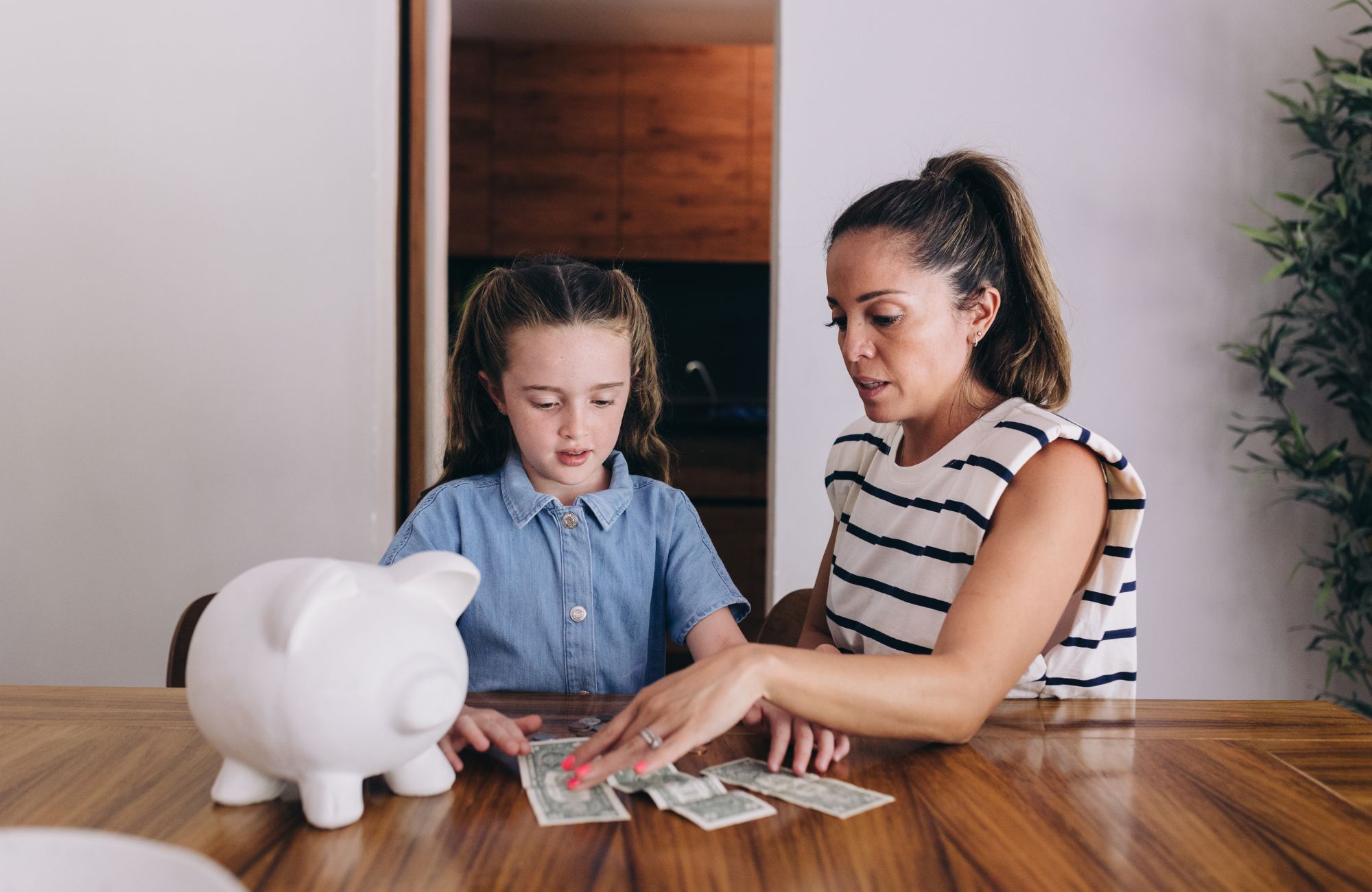
In ABA parent coaching sessions, therapists frequently encourage introducing simple money routines before adolescence because early financial exposure often improves adaptive participation and decision-making confidence during everyday routines.
Self-Care Skills
Self-care activities affect health, confidence, school participation, and family life every day. These skills can also affect communication confidence, social acceptance, and long-term employability as children grow older.
Common Self-Care Goals
Common self-care goals often include brushing teeth, washing hands, bathing, hair brushing, toileting, and dressing independently.
Sensory Challenges During Hygiene Activities
Sensory input often plays a major role during hygiene routines. Some children dislike toothpaste texture, loud bathroom fans, water temperature, or transitions between activities. Others may struggle with eye contact, following verbal directions, or tolerating environmental details that adults may barely notice.
In our experience observing home-based hygiene routines, children often tolerate brushing more successfully after therapists adjust environmental stressors before focusing heavily on the hygiene task itself. For example, some children respond better after switching from mint toothpaste to unflavored training paste, dimming bathroom lighting, shortening brushing intervals during early sessions, or temporarily turning off loud exhaust fans.
One common pattern therapists observe is that children frequently resist routines less once sensory discomfort decreases. In many cases, smoother participation becomes visible before full independence develops.
Medication management may also become an important daily living skill for some individuals with autism as they grow older and begin participating more independently in health-related routines.
Home and Community Skills
Independent living also involves participation outside personal care routines. Household tasks, transportation awareness, and community participation help children become more comfortable navigating everyday life.
Examples of Home and Community Skills
Home and community skills may include carrying groceries, helping with laundry, cooking simple meals, cleaning shared spaces, shopping with caregiver support, following parking lot safety rules, and practicing travel training skills.
Daily living skills include cooking, shopping, hygiene routines, cleaning, and money management activities that support greater independence over time.
Why Transportation Skills Matter
Transportation readiness is one of the strongest predictors of long-term community independence for autistic adolescents and young adults. Transportation skills support access to school, employment opportunities, medical care, and community participation while also reducing anxiety during unfamiliar transitions.
In many home-based ABA programs, therapists begin transportation safety training with smaller foundational skills before introducing more advanced community navigation. Early sessions may focus on parking lot safety, visual stop-point routines, waiting appropriately near curbs, identifying safe adults, and practicing transitions between locations.
As children become more comfortable, therapists may gradually introduce route-following, community awareness, and supervised travel routines adapted to the child’s communication style, sensory needs, and executive functioning abilities.
How ABA Therapy Helps Build Independent Living Skills
ABA therapy helps children build independent living skills through structured teaching, reinforcement, repetition, and practice across different settings. Therapists often use task analysis to break larger activities into smaller teachable steps.
Autism Independent Living Skills Often Improve Faster in Familiar Environments
Many autistic children perform daily routines more successfully at home because the environment is familiar, sensory demands are more predictable, and caregivers can maintain consistent visual supports throughout the day.
Our therapists frequently observe stronger skill generalization when routines are practiced directly inside real family activities rather than isolated clinic simulations. For example, children working on snack preparation may participate more independently when practicing during actual after-school routines inside their home kitchen instead of during structured tabletop exercises alone.
In several home-based ABA routines, therapists observed that children often began independently initiating at least one familiar routine step within the first month of consistent visual schedule use and reduced caregiver prompting.
This type of natural environment teaching often helps children apply skills more consistently across everyday situations, which is one reason many families choose in-home ABA therapy for adaptive behavior development.
Common ABA Strategies
Common ABA strategies include:
- task analysis
- positive reinforcement
- prompt fading
- visual supports
- modeling
- skill generalization
3 Signs a Skill May Be Ready for Prompt Fading
Therapists often begin reducing prompts when:
- The child independently starts the first step
- The child tolerates the activity without avoidance
- The child responds to visual cues before verbal reminders
Families in Mendham Township, Morris County, Mahwah, Totowa, West Paterson, and nearby New Jersey communities often choose in-home ABA therapy because therapists can directly observe routines and adapt strategies to the child’s communication style, sensory needs, and environment.
Signs Your Child May Need Extra Support With Life Skills
Every child develops differently, but some children may need additional support when everyday tasks consistently create confusion, stress, or dependence on caregivers.
Signs to Watch For
Signs may include difficulty following multi-step directions, resistance during hygiene routines, dependence on constant reminders, trouble transitioning between activities, safety concerns in community settings, emotional meltdowns during routine changes, or difficulty completing everyday tasks independently.
Safety awareness skills can be life-saving for autistic individuals, especially during emergencies, community outings, or unexpected routine changes.
Parents sometimes assume these struggles reflect behavioral refusal when the challenge may actually involve sensory overload, communication barriers, or executive functioning difficulties.
Safety planning can also help reduce risk during unpredictable life changes or unfamiliar situations that increase anxiety and confusion.
If these challenges continue interfering with everyday life, some families may choose to seek professional support through home-based ABA services or other professional programs focused on adaptive behavior development.
How Parents Can Support Independent Living Skills at Home
Children often respond more successfully when routines remain visually consistent and caregivers avoid rapidly repeating verbal instructions during transitions.
Many ABA professionals encourage families to simplify instructions, maintain predictable visual schedules, and allow additional processing time before repeating prompts. In many home-based routines, reducing verbal overload helps children participate more independently while lowering frustration during transitions between activities.
Small environmental adjustments can also improve participation significantly. For example, some children transition more calmly when morning routines happen in the same order each day or when visual schedules remain in the same physical location throughout the week.
Use Smaller, Clearer Instructions
Instead of saying, “Get ready for school,” families may have more success using smaller visual steps such as:
- Brush teeth
- Wash hands
- Get dressed
- Pack backpack
- Put on shoes
This helps children focus on one task at a time instead of processing an overwhelming multi-step demand.
Conclusion
Building independent living skills takes time, repetition, and structured support that matches each child’s strengths, communication style, and learning pace. While progress may look different for every family, smaller improvements during daily routines often become the foundation for stronger long-term independence.
At Apple ABA, we provide personalized in-home ABA therapy designed to help children build independence in the environments where they live, play, and learn every day. Our team supports families across New Jersey, including Morris County, Passaic County, West Paterson, Mahwah, Totowa, Mendham Township, and nearby communities with flexible scheduling, caregiver collaboration, and no-waitlist access to care. Through customized therapy plans, assessments, natural environment teaching, and ongoing parent support, we help children strengthen communication, social interaction, emotional regulation, and daily living skills in real-world settings that support long-term maintenance and skill generalization. Contact us today to learn more about our family-centered ABA therapy services and schedule a consultation.
FAQs
Why do many autistic children perform routines better at home than in clinics?
Many autistic children complete routines more successfully at home because the environment is familiar, sensory demands are more predictable, and caregivers can maintain consistent visual supports throughout the day. Practicing skills inside natural family routines also improves skill generalization across everyday situations.
What are early signs that independent living skills are improving?
Early signs often include needing fewer prompts, tolerating routines more calmly, starting activities independently, and responding to visual schedules faster. Many therapists view these smaller participation changes as early indicators of adaptive skill growth.
Why do some autistic children resist hygiene routines?
Hygiene routines may involve sensory discomfort related to textures, sounds, lighting, water temperature, or transitions between activities. In many home-based ABA sessions, therapists first reduce sensory stressors before expecting greater independence during hygiene tasks.
How does in-home ABA therapy support independent living skills?
In-home ABA therapy allows therapists to teach routines directly inside familiar family environments. This often helps children practice communication, self-care, safety awareness, and daily living skills more consistently across real-world situations.