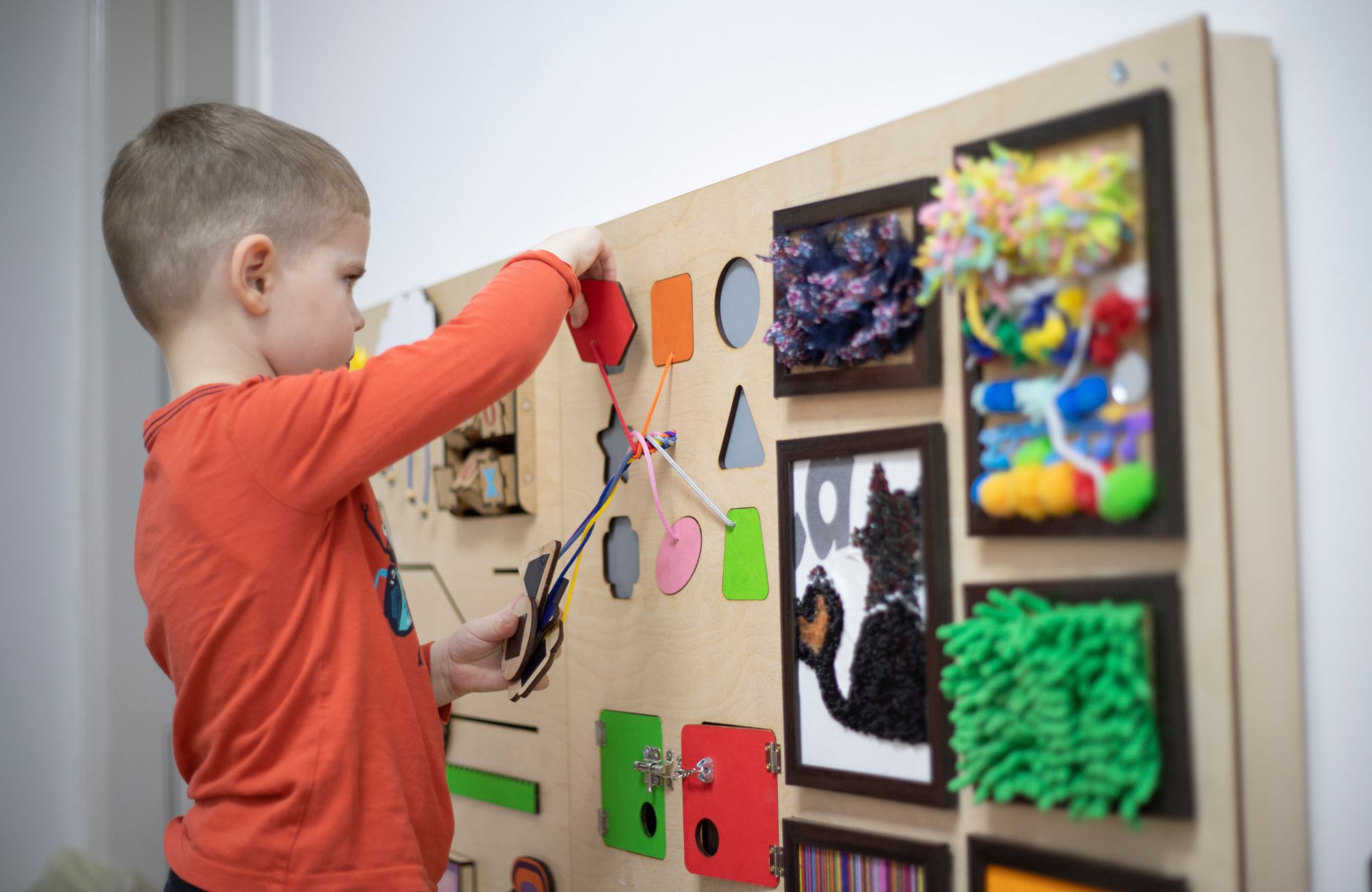
When it comes to autism therapy, finding a therapy option that meets the individual needs of your child is crucial. Home-based ABA therapy has become a popular choice for many families who are seeking a more personalized, comfortable, and flexible approach. By delivering therapy in the home environment, children with autism can thrive in a familiar setting while receiving specialized care designed to help them reach their full potential. Whether you’re looking to enhance social skills development or address certain behaviors, home-based therapy allows the child to progress in the ideal setting, their own home.
In this guide, we’ll explore everything you need to know about home-based ABA therapy, including how it works, its benefits, and how you can get started with individualized treatment plans that are tailored to your child’s needs. Understanding this therapy model will help you make an informed decision about what’s best for your child’s therapy.
Table of Contents
ToggleWhat is Home-Based ABA Therapy?
Home-based ABA therapy involves delivering ABA therapy in a child’s own home, rather than in a clinic setting. ABA is a scientifically supported method designed to help children with autism spectrum disorder (ASD). The goal of ABA therapy is to improve specific skills, including communication, social skills development, and self-care, while reducing challenging behaviors.
Unlike center-based ABA therapy, which takes place in a clinic, home-based therapy offers greater flexibility and comfort. Delivered by a Board-Certified Behavior Analyst (BCBA) and Registered Behavior Technicians (RBTs), the therapy plan is tailored to suit your child’s individual needs, ensuring that treatment is both effective and seamlessly integrated into daily life.
This approach ensures that therapy focuses not only on specific goals during sessions but also on real-life settings, where progress is measured and transferred to everyday activities. By actively involving family members in the process, home-based ABA therapy becomes a collaborative effort that supports the child’s development and encourages long-term success.
How Does Home-Based ABA Therapy Work?
The process of home-based ABA therapy is collaborative, combining assessments, individualized treatment plans, and ongoing monitoring. Here’s how it works:
Step-by-Step Process
Initial Consultation and Assessment: The process begins with a thorough initial consultation, during which the BCBA evaluates the child’s strengths, challenges, and goals. This includes understanding your family’s routine, any toilet training needs, and specific child behaviors that need attention.
Developing an Individualized Treatment Plan: Based on the initial assessment, a customized treatment plan is created. This plan will target key goals, including improving communication skills, enhancing social interaction, and managing challenging behaviors. The treatment plan is flexible, adjusting as the child progresses, ensuring it continues to meet their evolving needs.
Implementation of ABA Techniques: The BCBA applies techniques such as Discrete Trial Training (DTT),Natural Environment Teaching (NET), and Pivotal Response Treatment (PRT) directly in the home environment, ensuring therapy is delivered in a comfortable, familiar setting. These strategies are designed to help your child develop new skills and address behavioral issues in real-world settings.
Incorporating Family Involvement: A key benefit of home-based therapy is the active participation of family members. Parents are trained to apply therapeutic strategies during everyday interactions, reinforcing new skills and behaviors in daily life. This consistent reinforcement enhances the child’s therapy and significantly improves outcomes.
Ongoing Monitoring and Adjustments: Child progress is tracked regularly through data collection, ensuring therapy is adjusted to meet evolving needs. The treatment plan is reviewed and adjusted based on the child’s development, to ensure its continued relevance and effectiveness.
Key Benefits of Home-Based ABA Therapy
Home-based ABA therapy offers several advantages over clinic-based options. Here’s a look at the main benefits:
Comfort and Familiarity
Children are often more comfortable and less anxious in their own homes, which can lead to better engagement and more effective learning. The therapy setting itself, being a familiar environment, provides a safe space where children can feel at ease and are more willing to participate.
Personalized Attention
One of the primary benefits of home-based ABA therapy is the personalized care provided. The therapy is tailored to meet each child’s unique needs, ensuring the treatment plan specifically addresses the child’s autism diagnosis and any behavioral challenges.
Family Involvement
Home-based therapy encourages active family involvement, allowing parents to engage directly in their child’s therapy. This approach reinforces learned behaviors and empowers parents to provide hands-on support in real-life situations.
Consistency
Therapy in the home environment ensures consistency. Children can practice skills throughout the day, with therapy integrated into daily living skills. This ongoing reinforcement helps reduce behavioral issues and promotes positive change.
Flexibility
Unlike clinic-based therapy, which typically follows a rigid schedule, home-based ABA therapy offers greater flexibility in scheduling. Parents can work with the therapy team to choose the optimal times for sessions and ensure therapy fits seamlessly into daily routines.
How to Get Started with Home-Based ABA Therapy
Starting home-based ABA therapy is simple. Here’s what to expect:
Schedule an Initial Consultation: Contact an ABA provider offering home-based therapy and schedule a consultation. During this meeting, the provider will explain the process, address questions, and assess your child’s needs. Apple ABA offers consultations and therapy in Union County, including Scotch Plains.
Insurance Coverage: Many insurance plans cover ABA therapy. Apple ABA can help you navigate your insurance options and assist with the paperwork, ensuring therapy services are both affordable and accessible.
Assessment and Treatment Plan: After the consultation, the BCBA will conduct a thorough assessment to develop an individualized treatment plan tailored to your child’s goals and challenges.
Begin Therapy Sessions: Once the treatment plan is in place, therapy sessions will begin, and progress will be monitored regularly to ensure that the child’s goals are being met.
Conclusion
In-home ABA therapy offers a personalized and effective approach for children with autism, providing them with the comfort and consistency they need to thrive. By working in a familiar environment and involving family members in the process, home-based therapy helps children develop essential skills in communication, social interactions, and daily living. Whether you’re looking to address behavioral challenges or enhance your child’s development, home-based ABA therapy offers an invaluable tool for long-term success.
At Apple ABA, we provide customized, in-home ABA therapy across New Jersey. Our board-certified ABA therapists and skilled team offer one-on-one support to enhance communication skills, social interactions, and independence. Contact us today to schedule a consultation and learn how our compassionate, evidence-based ABA services can help your child thrive.
FAQs
How long does it take to see results from home-based ABA therapy?
The timeline for seeing results depends on the child’s unique needs and the goals of the treatment plan. However, many families begin to see noticeable improvements within a few months. Progress is tracked through data collection, ensuring that therapy is adjusted to meet the child’s evolving needs.
How do I know if my child is a good candidate for home-based ABA therapy?
Home-based ABA therapy is ideal for children who may benefit from a more personalized approach and are comfortable learning in their own home. If your child struggles with behaviors that disrupt daily life or needs help improving communication and social skills, ABA therapy might be an excellent fit.
Is home-based ABA therapy as effective as clinic-based therapy?
Yes, home-based therapy can be just as effective, if not more so, because it provides a consistent and comfortable environment for the child. It allows therapy to be incorporated into daily routines, reinforcing skills in natural settings, making the therapy more relevant and sustainable.
What should I expect during my child’s first ABA session?
The first session typically includes an initial assessment where the BCBA observes your child’s behavior, talks to you about your goals, and starts building a personalized treatment plan. It’s important to remember that this session is just the beginning of a long-term, supportive process.
Does my child need to be diagnosed with autism before starting ABA therapy?
While ABA therapy is most commonly used for children with autism spectrum disorder, it can also be beneficial for children with other developmental disorders. An initial consultation with a BCBA will help determine if ABA therapy is appropriate for your child.