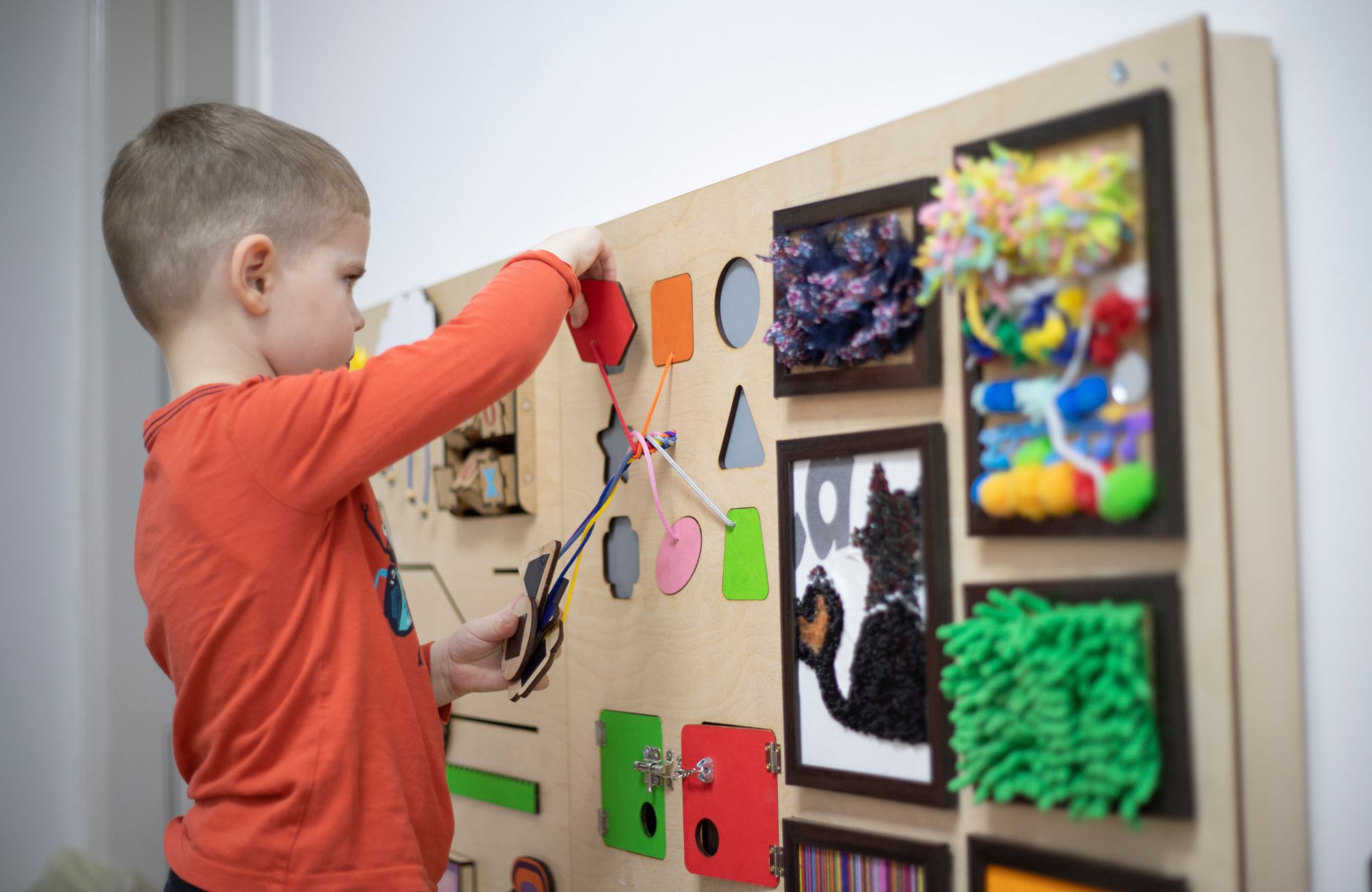
When instructions, reminders, and reward charts lead to frustration, families may wonder whether a more structured agreement could help. Behavior contracts for autism can make one goal clearer by explaining what the child will do, what support adults will provide, and what happens when the goal is met.
This guide is for parents and caregivers in Wood-Ridge and nearby Bergen County communities who want to understand how behavior contracts work in ABA therapy. A contract is not right for every child, so the goal is not to create one as quickly as possible. Families who want individualized guidance can learn more about home-based ABA therapy in Wood-Ridge through Apple ABA.
What Are Behavior Contracts for Autism?
A behavior contract is a written, visual, or otherwise accessible agreement that defines a specific behavior, the conditions for meeting the goal, and the reinforcement that follows. In ABA, it may also be referred to as a contingency contract. A useful contract explains both the learner’s responsibilities and the support adults will provide.
Behavior contracts replace vague expectations with concrete information. Instead of telling a child to “be good,” a contract may identify one target behavior, such as placing completed homework in a backpack before screen time. It also states what counts as success and how the learner earns the agreed reward.
Although behavior contracts are often written and signed, a traditional document is not always necessary. Depending on the child’s communication and reading skills, the agreement may use:
- Written sentences
- Pictures or symbols
- A short checklist
- An AAC-supported choice
- A photo sequence
- Check marks or points
- A spoken agreement paired with visual supports
A 2022 review in Behavior Analysis in Practice described behavior contracting as a positive, nonpunitive method that involves changes in adult behavior as well as child behavior. The review also emphasized accessible language, practical examples, and rewards selected for the individual child.
How Do Behavior Contracts Work in ABA Therapy?
Behavior contracts work by making a goal and its outcome predictable. The child knows what behavior is expected, when it should happen, and what reinforcement follows. Adults also agree to provide the stated support, track progress fairly, and avoid changing the rules while the child is completing the task.
The basic agreement may sound simple: when the learner completes the defined task under the agreed conditions, the learner receives the agreed reinforcement. However, effective contracts involve more than writing down a behavior and reward.
The team must first identify whether the child understands the agreement and whether the expected skill is realistic. A contract should not demand a behavior the child has never learned or cannot currently perform. It should also account for differences in communication, sensory needs, fatigue, anxiety, and environmental changes.
The Basic Contracting Process
A behavior contract usually follows this sequence:
- Define one specific behavior.
- Identify when and where it should occur.
- Set measurable and achievable criteria.
- Choose meaningful reinforcement.
- Describe the learner’s responsibilities.
- Describe the adults’ responsibilities.
- Decide how the team will track progress.
- Set a date to review the agreement.
This structure can reduce ambiguity for everyone involved. It helps parents, teachers, and therapists respond more consistently while giving the learner a clearer picture of what will happen.
What Should a Behavior Contract Include?
An effective behavior contract should include one observable target behavior, the situation in which it applies, measurable success criteria, individualized reinforcement, a task record, shared responsibilities, and a review date. The language and format should match the learner’s communication, comprehension, and support needs.
Some explanations reduce contracts to three parts: behavior, reward, and record. Those elements matter, but a child-centered contract also needs to explain what adults will do and how the agreement can be changed.
The following table shows the core components and the question each one should answer.
| Contract Element | Question It Should Answer |
| Target behavior | What specific action is expected? |
| Setting or routine | When and where does the agreement apply? |
| Success criteria | What counts as completing the goal? |
| Reinforcement | What will the learner earn? |
| Learner responsibility | What is the child expected to do? |
| Adult responsibility | What support will parents, teachers, or therapists provide? |
| Task record | How will the team track progress? |
| Review date | When will the agreement be discussed and adjusted? |
One Observable Target Behavior
The contract should focus on behavior that another person can see or measure. “Show a better attitude” is difficult to define. “Place the worksheet in the homework folder after completing it” is clearer.
Starting with one target behavior also makes it easier to identify whether the contract is helping. A long list of desired behaviors can make success feel out of reach and make data difficult to interpret.
Measurable and Time-Bound Criteria
The team should explain what success looks like without expecting perfection. A contract may specify the number of completed steps, the amount of support allowed, or the number of days the learner will practice the routine.
SMART goals are often described as specific, measurable, achievable, relevant, and time-bound. In practice, the most important question is whether the goal matters to the learner’s daily life and remains achievable with appropriate support.
Meaningful Positive Reinforcement
Positive reinforcement means that a consequence increases the likelihood that a behavior will happen again. The reward should matter to the individual child rather than simply appearing motivating to adults.
Depending on the learner, reinforcement may include choosing an activity, spending time on a preferred interest, playing a game with a parent, or earning access to screen time. Food, water, communication, rest, comfort, sensory supports, and other basic needs should never depend on contract performance.
A Fair Task Record
A task record helps the team track what happened rather than relying on memory. It may take the form of a checklist, calendar, point card, simple data sheet, or digital tracker.
The record should also capture relevant context when possible. For instance, an unusually difficult morning routine may have followed poor sleep, a schedule change, illness, or a missing school item. Those details matter when reviewing effectiveness.
Are Behavior Contracts Appropriate for Every Autistic Child?
No. Behavior contracts may help learners who understand the agreement, can perform or learn the expected skill, and can participate meaningfully in choosing the goal and reinforcement. Another strategy may be better when pain, sensory overload, communication barriers, anxiety, or missing prerequisite skills affect the behavior.
Chronological age alone does not determine readiness. Some younger children may understand a short picture-based agreement, while an older child may find a written contract confusing, controlling, or stressful.
The team should consider whether the child can understand the relationship between the target behavior and the outcome. The learner also needs a reliable way to ask questions, request help, indicate preferences, or communicate disagreement.
| A Contract May Be Useful When | Another Support May Fit Better When |
| The learner understands the agreement | The agreement is confusing or inaccessible |
| The skill is already within reach | The skill has not yet been taught |
| The learner has meaningful input | Adults have chosen all terms |
| The goal is observable and measurable | The expectation is broad or subjective |
| Adults can follow the agreement | Adults frequently change the rules |
| Reinforcement can follow consistently | Rewards are delayed or unpredictable |
A contract should not target harmless autistic behavior simply because it looks different. Goals should relate to meaningful communication, safety, participation, daily living, self-regulation, or other skills that benefit the learner.
The Behavior Analyst Certification Board defines assent as verbal or nonverbal behavior that may indicate a person’s willingness to participate when the person cannot provide informed consent. Its ethics resources place assent within broader standards intended to support consumer protection and professional conduct.
How Do You Create a Behavior Contract for Autism?
To create a behavior contract, first confirm that the learner understands and can participate in the agreement. Then select one relevant goal, describe it in measurable language, choose meaningful reinforcement, document everyone’s responsibilities, select an accessible format, track progress, and schedule a review.
Creating the contract should feel like a collaborative process rather than an adult presenting a finished set of demands. Learner buy-in matters because the child is more likely to understand and engage with an agreement that reflects their preferences and daily needs.
1. Identify the Reason for the Contract
Start by explaining why the goal matters. A useful goal might make a morning routine less rushed, help the child communicate when they need a break, or support an important school task.
Avoid creating a contract simply because adults find a behavior inconvenient. The goal should have a clear benefit for the learner.
2. Confirm That the Skill Is Available
Determine whether the child can already complete the behavior or has received enough teaching to begin practicing it. A contract cannot replace instruction.
For example, a child cannot reasonably agree to pack a backpack independently if no one has taught them which materials belong inside or where to find them.
3. Define One Specific Behavior
Describe exactly what the person should do. Use language that a parent, teacher, therapist, and learner can interpret in the same way.
Instead of “finish the morning routine,” identify the steps. These might include brushing teeth, getting dressed, and placing the backpack by the door.
4. Ask for the Learner’s Input
The child may help select the goal, choose between rewards, identify helpful visual supports, or decide how to track progress. A learner who uses AAC can participate by selecting icons, answering yes-or-no questions, or using another established communication method.
A signature does not prove genuine understanding or agreement. Participation matters more than the physical act of signing.
5. Choose Individualized Reinforcement
Offer options that the learner finds meaningful. Reinforcement may lose value over time, so the contract should allow the team to review and update available rewards.
The reward should also match the effort required. A difficult, multi-step task may require stronger or more immediate reinforcement than a short, familiar response.
6. Include Adult Responsibilities
Adults should agree to specific actions, such as:
- Give one clear instruction
- Provide the agreed visual prompt
- Allow sufficient processing time
- Respond when the child asks for help
- Deliver earned reinforcement promptly
- Record progress accurately
- Avoid adding new requirements during the task
This balance helps prevent the contract from becoming a one-sided demand.
7. Use an Accessible Format
Choose words, pictures, symbols, or visual schedules the child already understands. Avoid introducing a complicated tracking system simply because it looks professional.
A shorter agreement often works better than a dense page of rules. The learner should be able to identify the goal, available support, and outcome without reading a long document.
8. Treat the Contract as a Living Document
Behavior contracts are living documents, not permanent rules. Review the data, ask how the learner feels about the process, and change the agreement when the goal, motivation, or circumstances change.
Families who are unsure whether the issue involves an unlearned skill, unclear expectations, or another barrier may benefit from an individualized ABA assessment. ABA therapy services include assessment and home-based support designed around each child’s needs and family circumstances.
Behavior Contract Example for a Morning Routine
A practical behavior contract example should focus on one familiar routine and explain what both the child and adults will do. The example below uses a morning routine involving brushing teeth, getting dressed, and packing a backpack. It is educational and should not be copied without considering the learner’s skills and preferences.
Imagine a Wood-Ridge family wants to make school mornings more predictable. Their child already knows each task but often becomes unsure about the order. The family uses a visual checklist and lets the child choose between two activities after completing the routine.
| Contract Area | Morning Routine Example |
| Goal | Complete the three-step visual morning routine |
| Steps | Brush teeth, get dressed, place backpack by the door |
| When | Before the scheduled departure time |
| Success criteria | Complete all three steps with no more than one agreed reminder per step |
| Visual support | Picture checklist posted near the bedroom door |
| Reinforcement | Choose music in the car or use screen time for 10 minutes |
| Learner responsibility | Follow the checklist or ask for help |
| Adult responsibility | Give the visual reminder, allow processing time, and provide the chosen activity |
| Task record | One check mark for each completed morning |
| Review date | Review after one week |
This agreement should allow flexibility. The child should not lose reinforcement because a parent misplaced the backpack, school started late, or the child needed more assistance after a poor night’s sleep.
The family should also watch how the child responds. If the checklist increases confidence and reduces repeated verbal instructions, it may be useful. If it leads to anxiety or conflict, the team should review the goal, format, and expectations.
How Can Behavior Contracts Support Different Communication Needs?
Behavior contracts can use speech, AAC, signs, gestures, pictures, writing, or other communication methods. The child does not need to read a conventional document or provide a handwritten signature. The important questions are whether the learner understands the agreement and can communicate preferences, questions, requests for help, and discomfort.
A visual behavior contract may use a picture of the task, an image of the selected reward, and a simple task record. Another learner may prefer a written checklist or a digital reminder. Some children may use AAC to select rewards or indicate whether the proposed goal feels acceptable.
Useful adaptations may include:
- Picture-supported instructions
- Photo sequences
- Symbol-based checklists
- AAC choices for rewards
- Video models
- Color-coded task records
- Spoken instructions paired with visuals
- Gesture-based choices
- Yes-and-no response options
Use communication strategies the child already knows. Introducing an unfamiliar system at the same time as a new behavior contract may make the process harder to understand.
A child who does not use spoken language can still have clear opinions, make choices, and participate in decisions. The team should not assume that speech, reading, or signing a name is required for meaningful involvement.
What Are Common Behavior Contract Mistakes?
Common behavior contract mistakes include choosing vague goals, expecting skills that have not been taught, selecting rewards without learner input, changing the rules, delivering reinforcement too late, and placing all responsibility on the child. These problems can reduce motivation and turn a potentially helpful agreement into a source of confusion.
The following examples show how small wording and process changes can make expectations clearer.
| Common Mistake | Better Approach |
| “Behave at school” | Identify one observable classroom behavior |
| “Listen to your parents” | Name the exact task or response |
| Contracting an unlearned skill | Teach and practice the skill first |
| Choosing every reward for the child | Offer individualized choices |
| Adding demands during the routine | Keep the agreed criteria consistent |
| Waiting until the weekend to reinforce a new skill | Use reinforcement the learner can connect to the behavior |
| Giving adults no responsibilities | State the support adults will provide |
| Treating distress as defiance | Check communication, sensory, health, and environmental factors |
Another common mistake involves using consequences as the main source of motivation. Modern, child-centered behavior contracts should focus on positive reinforcement and skill building, not punishment or threats.
Families should also avoid making every part of the day subject to a contract. Behavior contracts are one tool among many. Visual schedules, first-then boards, environmental changes, direct teaching, and self-management strategies may fit some goals better.
What Should You Do When a Behavior Contract Stops Working?
When a behavior contract stops working, do not immediately increase consequences or make the reward harder to earn. Review whether the learner understands the goal, can complete the behavior, still values the reward, and receives reinforcement soon enough. Changes in health, sensory needs, anxiety, sleep, or routine may also matter.
Motivation can fade when rewards become stale. The child may also lose confidence if the success criteria are too difficult or if adults apply the agreement differently across settings.
Use the following questions to guide the review:
- Is the target behavior clearly defined?
- Does the child understand the agreement?
- Has the skill received enough teaching?
- Is the goal achievable this week?
- Is the reinforcement still meaningful?
- Does the reward follow soon enough?
- Are parents, teachers, and therapists responding consistently?
- Has the routine or environment changed?
- Does the child appear anxious or distressed?
- Could pain, fatigue, sensory discomfort, or another health concern be involved?
Track progress, but do not look only at task completion. The team should also consider prompts, requests for help, emotional regulation, communication, and the learner’s response to the process.
Because home routines can involve distractions, siblings, transportation, and changing schedules, observing the behavior where it happens may provide useful context. Apple ABA offers home-based ABA therapy that allows goals and strategies to be considered within the child’s familiar daily environment. The Wood-Ridge service page also describes family collaboration, personalized planning, and progress tracking as parts of its local care model.
Behavior Contract vs. Token Economy and Visual Supports
A behavior contract creates a shared agreement about one or more defined goals and outcomes. A token economy allows the learner to earn tokens or points, while a visual schedule shows the order of activities. First-then boards, self-management checklists, and behavior intervention plans also have different purposes and should not be used interchangeably.
A contract may include visual supports or a token system, but that does not make them the same intervention. Choosing the simplest relevant strategy can reduce unnecessary demands.
| Support | Main Purpose | Common Format | Typical Use |
| Behavior contract | Defines a goal, responsibilities, and outcome | Written, visual, or spoken agreement | Learners who understand and can participate |
| Token economy | Reinforces behavior across several responses | Points, stars, or tokens | Repeated skills over time |
| First-then board | Shows an immediate sequence | Two pictures or short phrases | Short tasks and transitions |
| Visual schedule | Shows the order of activities | Pictures, words, or symbols | Predictable routines |
| Self-management checklist | Helps the learner monitor behavior | Checklist or rating form | Building independent tracking |
| Behavior intervention plan | Guides broader individualized support | Formal written plan | Complex behavior requiring assessment and coordination |
For instance, a child who feels unsure about the order of the morning routine may only need a visual schedule. A full behavior contract may add unnecessary complexity.
In another instance, a learner working on several classroom tasks may benefit from a token system that provides regular feedback. The choice should reflect the behavior, setting, communication needs, and the child’s preferences.
Conclusion
Behavior contracts for autism can help make expectations clearer when they are individualized, achievable, and supported by adults. They work best when the child understands the agreement and helps shape the goal, format, and reinforcement. A contract should never replace skill teaching, communication support, or individualized assessment. Families should review progress regularly and adjust the agreement when needs, routines, or motivation change.
Apple ABA helps families in Wood-Ridge and across Bergen County build individualized ABA strategies for daily routines. Through assessment, home-based sessions, progress monitoring, and caregiver collaboration, BCBAs help children practice meaningful skills at home. The team can determine whether a behavior contract fits your child’s communication, comfort, and learning needs. Contact us to learn how personalized in-home ABA therapy can support your child’s growth and independence.
FAQs
What are behavior contracts in ABA therapy?
Behavior contracts in ABA therapy are agreements that define a target behavior, success criteria, and reinforcement.
What are ABA interventions?
ABA interventions are individualized strategies that use learning principles to build skills and support daily participation.
What are some effective behavior plans for students with autism?
Effective behavior plans define goals, proactive supports, communication strategies, reinforcement, and progress tracking.
What are the different types of behavior contracts?
Common types include written, picture-based, parent-child, classroom, self-management, and digital behavior contracts.
Do behavior contracts have to be signed?
No. Children can show participation through AAC, pictures, gestures, check marks, or spoken agreement.
Are behavior contracts a form of punishment?
No. Well-designed behavior contracts focus on clear expectations, skill building, and positive reinforcement.