Every child deserves the chance to grow, communicate, and thrive in their own way. That’s where Applied Behavior Analysis (ABA) comes in. Rooted in science and compassion, ABA therapy applies the same scientific principles once used in animal training, not to control behavior, but to understand how learning happens and how to encourage positive change in a child’s life. Recognized by the U.S. Surgeon General as an evidence-based and effective intervention, ABA therapy helps children with autism master both foundational and complex skills that lead to greater independence, confidence, and long-term success.
Families across Walpack and throughout New Jersey benefit from personalized in-home ABA therapy programs designed to fit each child’s unique needs. In a familiar and supportive environment, children make steady, meaningful progress that extends beyond therapy sessions and into everyday life.
What Is Applied Behavior Analysis and How Does It Work?
Applied Behavior Analysis (ABA) is a scientific and evidence-based form of behavioral therapy that focuses on understanding how behavior occurs and how it affects learning and daily life. Using structured teaching and reinforcement, ABA therapy helps children develop communication, self-care, fine motor, and academic skills while reducing problem behaviors. It uses proven behavioral interventions and ABA principles to improve outcomes by teaching social skills, encouraging appropriate behaviors, and increasing positive behaviors across key skill areas. This approach has been endorsed by the U.S. Surgeon General for its effectiveness in supporting children with autism spectrum disorder and related developmental disorders.
ABA therapy aims to enhance socially important behaviors through personalized, data-driven treatment plans. A Board Certified Behavior Analyst (BCBA) designs programs that target specific behaviors and measurable goals, while Registered Behavior Technicians (RBTs) provide consistent, in-home support. Techniques such as pivotal response training, formal instruction, and positive reinforcement help each child build useful skills and maintain positive social interactions. By practicing treatment in natural, structured situations, like personal hygiene routines or daily play, children gain confidence, develop new skills, and make progress that creates a lasting, positive impact on their future behavior and intellectual functioning.
The Core Goals of ABA Therapy
ABA therapy focuses on improving the specific skills that make everyday life more fulfilling for children and families. Rooted in the science of behavior analysis, it uses behavioral interventions to teach and strengthen socially important behaviors while reducing actions that interfere with learning and independence. Research supported by the U.S. Surgeon General confirms that ABA therapy aims to produce measurable and lasting improvements in communication, learning, and daily living for children with autism and related developmental disorders.
Building Functional Communication
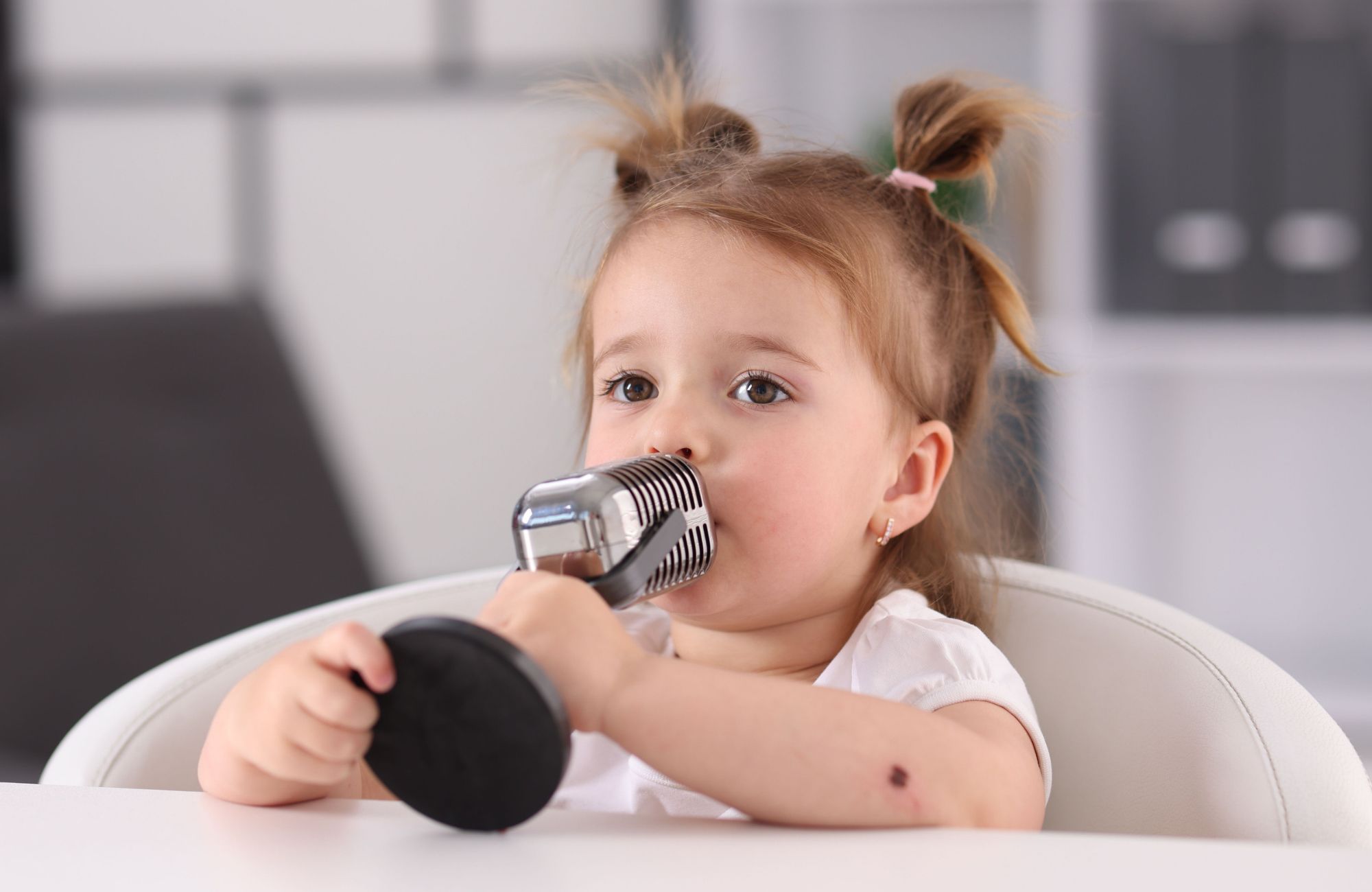
One of the main goals of Applied Behavior Analysis is to strengthen communication and language development. Many children on the autism spectrum face challenges with expressive or receptive communication, which can make it difficult to convey needs or emotions. Using structured behavioral therapy techniques such as discrete trial training, formal instruction, and pivotal response training, therapists teach children to communicate through words, gestures, or assistive devices. These strategies encourage the child to engage, improve academic skills, and increase confidence in daily interactions. Over time, this leads to measurable gains in learner’s skills and a lasting positive impact on social relationships and classroom participation.
Developing Social and Play Skills
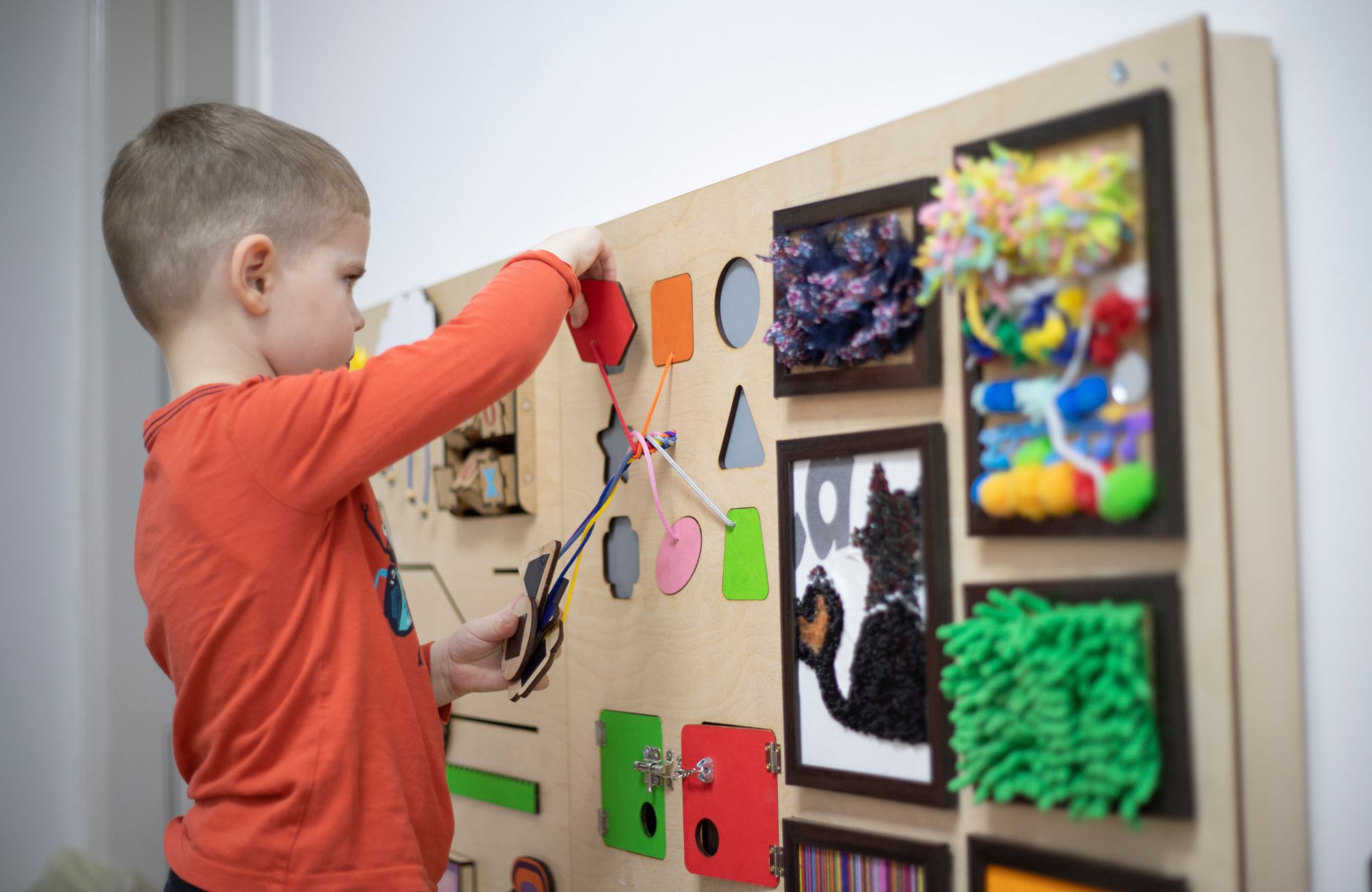
Social learning is one of the most essential components of a child’s development. Teaching social skills through guided play and real-world practice helps children build relationships and enjoy positive social interactions. Therapists use structured situations, such as group play or family routines, to demonstrate appropriate behaviors and encourage cooperation. Each child’s program focuses on key aspects of interaction, eye contact, turn-taking, sharing, and conversation that improve social awareness. Consistent reinforcement helps children generalize these skills learned across home, school, and community environments.
Strengthening Daily Living and Independence
ABA therapy also improves daily living skills that enhance a child’s ability to function independently. Therapists focus on personal hygiene, organization, and fine motor coordination through task analysis, breaking complex activities into smaller, teachable steps. As the child practices these steps, they gain mastery and consistency, building confidence in self-care and household routines. These structured lessons support overall intellectual functioning and encourage responsibility and autonomy. The result is steady progress that enhances the individual’s daily life and overall quality of living.
Reducing Challenging Behaviors
Challenging behaviors such as aggression, avoidance, or self-injury often stem from communication barriers or sensory overload. ABA therapy identifies specific behaviors and their triggers through detailed observation and data collection. Therapists then replace problem behaviors with desired behaviors using reinforcement and evidence-based techniques. Through positive reinforcement and, when appropriate, negative reinforcement, children learn to regulate emotions and engage appropriately with others. These behavioral interventions promote emotional stability, reduce stress for families, and create a more structured, supportive environment where ABA principles improve outcomes over time.
Generalizing and Maintaining Learned Skills
The ability to transfer new behaviors into different settings is a core strength of ABA therapy. Therapists ensure skills learned in sessions extend into daily life, whether during playdates, schoolwork, or family activities. By encouraging practice in both natural and structured situations, children build flexibility and independence while strengthening future behavior patterns. Therapists regularly track progress to measure mastery and identify where continued reinforcement is needed. This consistent, evidence-based approach helps children maintain useful skills, achieve long-term growth, and build confidence that carries into every part of their lives.
How Apple ABA Personalizes Each Child’s Program
Every child’s learning journey is unique, which is why a concierge-level approach to ABA therapy focuses on personalization, data, and collaboration. Each program is carefully designed to meet the child’s individual needs while supporting family goals. This process involves three key phases that ensure measurable, lasting results.
Assessment Phase
A Board Certified Behavior Analyst (BCBA) begins by conducting a comprehensive assessment to understand the child’s strengths, challenges, and current skill levels. This includes direct observations, caregiver interviews, and the use of standardized assessment tools to evaluate how behaviors affect daily living. The information collected helps identify target behaviors and areas for growth across domains such as communication, adaptive behavior, and emotional regulation. These findings form the foundation of a data-driven treatment plan that addresses the child’s most important goals.
Implementation Phase
Based on the assessment, an individualized treatment plan is developed with specific, measurable objectives. Registered Behavior Technicians (RBTs) then deliver one-on-one therapy sessions in the child’s home, applying ABA principles such as positive reinforcement, modeling, and discrete trial training. Sessions are structured yet flexible, allowing the therapist to adapt teaching methods to the child’s motivation and attention. Techniques like natural environment teaching and task analysis help build meaningful connections between therapy and real-life activities. Over time, consistent practice strengthens learning and fosters independence across a variety of skill areas.
Progress Review Phase
ABA therapy is highly data-driven, meaning every session produces measurable information about the child’s progress. BCBAs regularly analyze this data through session graphs, notes, and caregiver feedback to identify trends and adjust goals as needed. Parents are included in this process through regular review meetings, ensuring transparency and collaboration at every stage. This continuous monitoring allows therapy to stay effective and evolve alongside the child’s growth and changing abilities.
| Goal Type | Example Objective | Measured Outcome |
|---|---|---|
| Communication | Request a favorite toy using words | 80% accuracy across three sessions |
| Daily Living | Brush teeth independently | Mastery over 5 consecutive days |
| Social | Initiate greetings during play | 90% success rate within one month |
This structured, compassionate approach gives families in Walpack and throughout New Jersey the confidence of knowing their child’s therapy is guided by data, clinical expertise, and genuine care, producing consistent progress and measurable improvements in quality of life.
Why In-Home ABA Therapy Makes a Difference
While clinic-based ABA therapy can be effective, many families find that in-home sessions offer a more natural, supportive environment for lasting progress. In-home ABA therapy allows children to practice essential skills, like communication, self-care, and social interaction, right where they live, play, and learn. This familiar setting helps children feel more relaxed and engaged, making it easier to apply what they learn to real-life routines and family activities.
In communities such as Walpack, Sussex County, and nearby areas, in-home ABA programs are tailored around each family’s schedule, with flexible options during mornings, after-school hours, and weekends. These programs emphasize collaboration between parents and ABA therapists, ensuring that every session supports consistent growth and measurable outcomes.
Here’s why in-home ABA therapy stands out:
- Comfort and Familiarity: Children feel safe in their own environment, which reduces anxiety and encourages participation. When a child engages in familiar settings, learning feels more meaningful and natural.
- Real-Life Application: Using ABA techniques like modeling, prompting, and reinforcement, skills are practiced in natural everyday situations such as meals, playtime, and bedtime routines. This approach helps children apply communication skills and self-regulation strategies in daily life.
- Parent Involvement: Parents play a key role in reinforcing new behaviors between sessions. They observe, ask questions, and learn how to manage negative behaviors while promoting positive behavior change throughout the week.
- Personalized Environment: Each ABA program is designed around the home layout and family dynamic. This personalization ensures that complex and fine motor skills are taught in ways that feel natural and achievable for the child.
Backed by a scientific approach recognized by the U.S. Surgeon General, in-home ABA therapy empowers families to turn everyday moments into opportunities for progress. By reinforcing positive outcomes through consistent practice, it helps children increase behaviors that build independence and confidence, creating measurable improvements that extend far beyond each session.
Conclusion
Applied Behavior Analysis is more than a therapy; it’s a proven path toward helping children gain confidence, communication, and independence. By focusing on meaningful, measurable goals, ABA empowers families to turn daily routines into opportunities for growth. Whether it’s learning to express needs, develop social connections, or build essential life skills, the goal of Applied Behavior Analysis is to make lasting, positive changes that improve your child’s quality of life at home and beyond.
At Apple ABA, we provide compassionate, evidence-based ABA therapy tailored to your child’s developmental goals. Serving families in Walpack, Sussex County, and across New Jersey, our team delivers personalized in-home programs, comprehensive assessments, and ongoing parent support to ensure consistent progress. Contact us today to learn more about our flexible, family-centered ABA services and schedule a consultation with a licensed in-home therapist.
FAQs
What are the main goals of Applied Behavior Analysis?
The goal of Applied Behavior Analysis is to help children develop socially significant behaviors that improve communication, learning, and independence. These goals focus on building functional skills while reducing behaviors that interfere with daily life.
How long does it take to see progress?
Every child learns at a different pace. Some may show progress within weeks, while others need several months of consistent therapy. We conduct ongoing assessments to ensure each child’s program adapts as their skills evolve.
What makes in-home ABA therapy effective?
In-home ABA therapy works because it happens in real environments where behaviors naturally occur. Children learn faster when skills are practiced in familiar spaces like their living room, kitchen, or backyard.
How is success measured in ABA therapy?
Progress is measured using data collected during every session. This includes tracking skill mastery, behavior reduction, and consistency across different settings. BCBAs use this data to refine treatment plans and ensure long-term success.
Does insurance cover ABA therapy in New Jersey?
Yes. We work directly with families to handle insurance verification, authorization, and billing. Our goal is to simplify the process so you can focus on your child’s growth