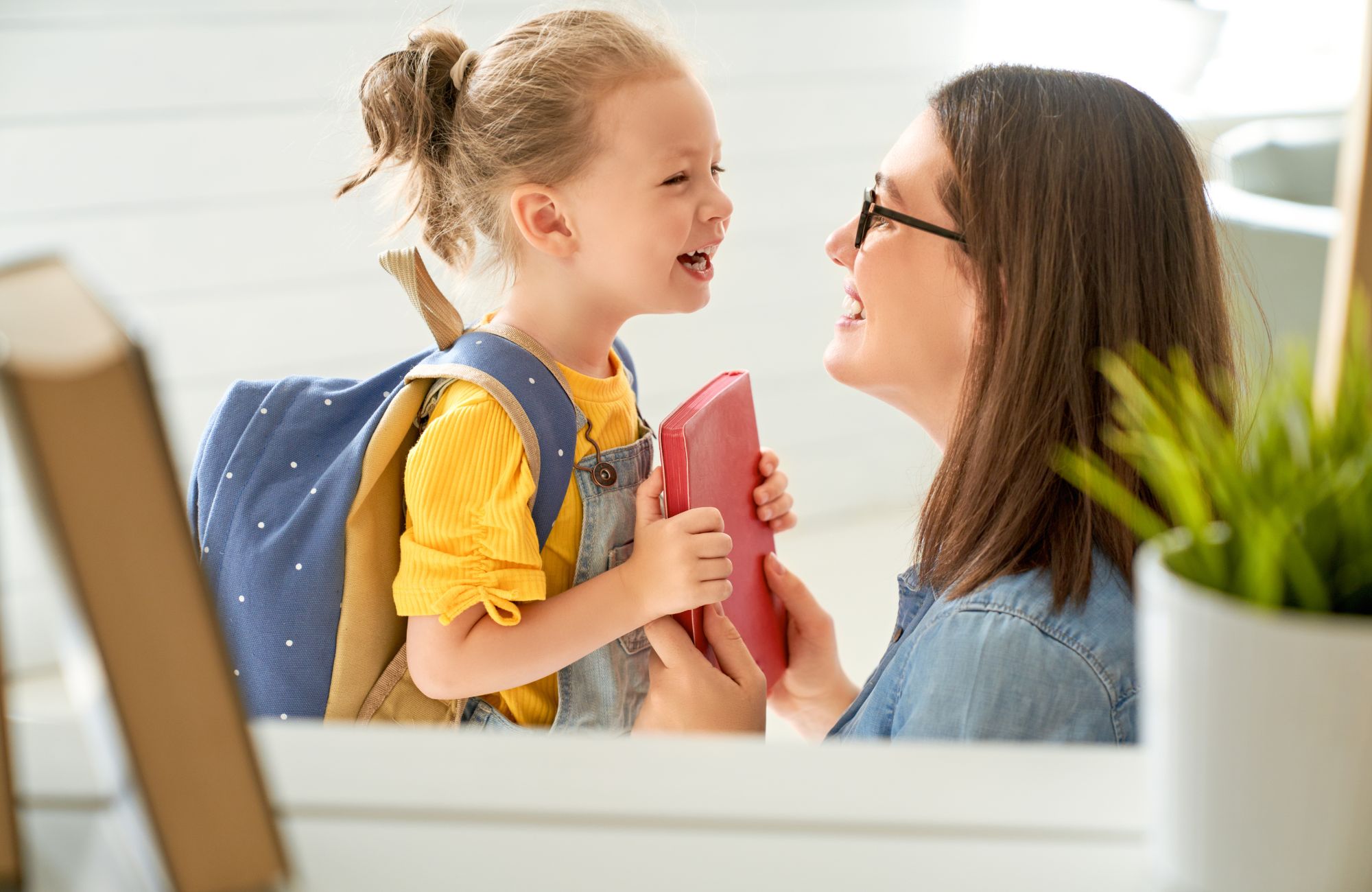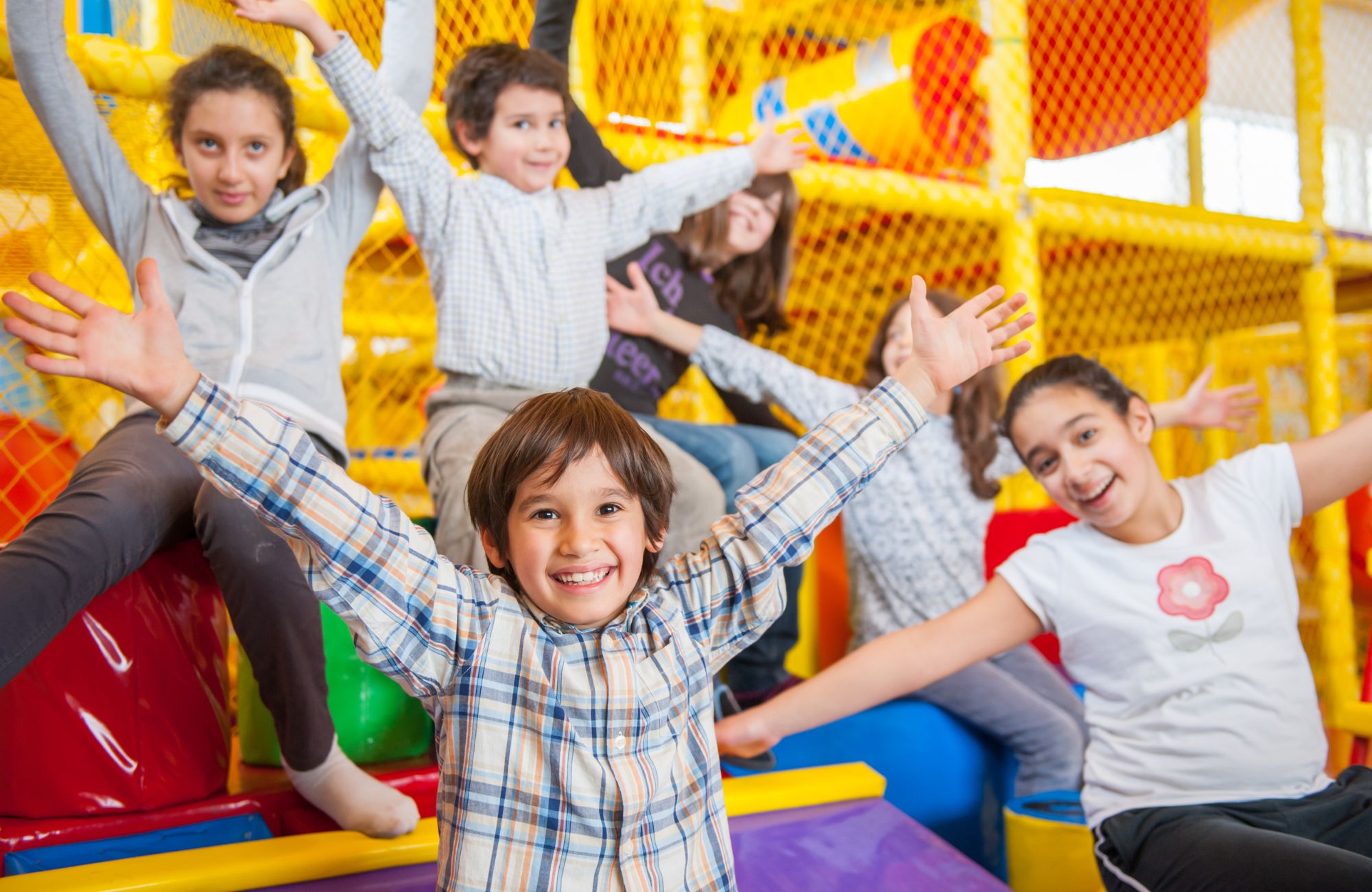
Many parents notice that their child has trouble understanding facial expressions, body language, or the meaning behind someone’s tone of voice. Teaching reading social cues autism can help children better understand social situations, build friendships, and feel more confident during everyday interactions.
For families in New Jersey, including those looking for ABA therapy in Northvale, social communication challenges can affect home routines, school experiences, and community activities. The good news is that social skills can be taught through consistent practice, structured support, and real-world learning opportunities. If your child struggles with social communication, Apple ABA provides personalized in-home ABA therapy designed to help children build meaningful social skills in familiar environments.
What Are Social Cues?
Social cues are verbal and nonverbal signals that help people understand emotions, intentions, and expectations during interactions. These signals guide conversations, relationships, and social behavior. Understanding social cues helps children navigate everyday situations more successfully and build stronger social connections.
People use social cues constantly throughout everyday life. A smile may communicate friendliness, while crossed arms may suggest frustration or discomfort. Most people learn to recognize these signals naturally through observation and experience. Children with autism spectrum disorder often need more direct instruction and practice to understand their meaning.
Research suggests that more than half of human communication relies on nonverbal signals such as facial expressions, gestures, body language, and tone of voice. When children have difficulty recognizing these cues, they may miss important information during social interactions.
Common Types of Social Cues
Some of the most common social cues include:
- Facial expressions
- Eye contact
- Body language
- Tone of voice
- Gestures
- Personal space
- Turn-taking during conversations
- Changes in speaking volume
These cues help people understand what others are thinking or feeling, even when those feelings are not spoken directly.
Why Do Children With Autism Have Difficulty Reading Social Cues?
Many children with autism experience differences in social communication, sensory processing, and attention to social information. These differences can make it harder to recognize emotions, understand unspoken rules, or interpret body language during social interactions. Every child is different, but these challenges are common across the autism spectrum.
Autism is a developmental disability that affects how a person communicates, learns, and interacts with others. While every autistic child has unique strengths and needs, many experience difficulty understanding social norms that neurotypical people often learn automatically.
For example, a child may not realize that someone is becoming bored during a conversation. Another child may not recognize when a classmate wants to join a game. These social difficulties do not reflect intelligence or willingness to connect with others. Instead, they often reflect differences in how social information is processed.
Research also shows that many autistic people experience sensory processing differences. Busy environments, loud noises, or overwhelming visual input can make it harder to focus on social communication while also managing sensory information.
Common Challenges Related to Social Cues
Children may struggle with:
- Understanding facial expressions
- Recognizing emotions
- Making eye contact
- Reading body language
- Understanding sarcasm
- Following social rules
- Starting conversations
- Taking turns during discussions
These challenges can affect social development, friendships, and participation in group activities.
Examples of Social Cues in Everyday Life
Social cues appear throughout the day and influence nearly every social interaction. Recognizing these situations helps parents identify opportunities for teaching social skills in natural settings. Every day experiences often provide the best learning opportunities because children can immediately apply what they learn.
Children often learn best when they practice social learning during real experiences rather than isolated lessons. The table below shows common examples.
| Social Cue | Possible Meaning | Everyday Example |
| Smile | Happiness or friendliness | Friend wants to play |
| Frown | Frustration or sadness | Parent appears upset |
| Eye Contact | Attention or engagement | Teacher giving directions |
| Raised Voice | Excitement or frustration | Someone reacting to a game |
| Wave | Greeting | Neighbor saying hello |
| Personal Space | Social boundary | Standing in line |
Social Cues During Family Activities
Family routines offer valuable opportunities for teaching social cues. During dinner, children can practice recognizing facial expressions and taking turns speaking. During board games, they can learn how body language and tone of voice communicate emotions.
Social Cues During Community Outings
Trips to the grocery store, park, or playground allow children to observe social interaction in real-world settings. Parents can pause and discuss what different social cues may mean while situations happen naturally.
This type of practice helps make abstract concepts more concrete and easier to understand.
Signs Your Child May Have Difficulty Understanding Social Cues
Children who struggle with social cues often show patterns that become noticeable during conversations, play activities, and group settings. Identifying these signs early can help families seek appropriate support and determine whether additional evaluation may be beneficial.
Some common signs include:
- Missing facial expressions
- Interrupting conversations
- Standing too close to others
- Difficulty making friends
- Trouble recognizing emotions
- Missing jokes or sarcasm
- Difficulty joining group activities
- Trouble understanding personal space
These signs alone do not confirm autism spectrum disorder. However, they may indicate social communication challenges that benefit from professional evaluation.
If you notice several of these behaviors consistently, a comprehensive assessment can help identify your child’s strengths and areas for growth. Apple ABA offers assessments for families throughout New Jersey who want a better understanding of their child’s social communication needs.
How Teaching Reading Social Cues Autism Works Through ABA Therapy
ABA therapy helps children learn social skills through structured teaching, positive reinforcement, and real-life practice. Therapists break complex social behaviors into smaller, manageable skills that children can learn step by step. This approach helps children develop confidence while learning how social interactions work.
Rather than simply explaining social rules, ABA focuses on helping children practice and apply skills in meaningful situations. This often improves long-term learning and helps children use their skills more naturally across different environments.
Modeling Social Interactions
Modeling allows therapists to demonstrate appropriate social behavior before asking children to try it themselves.
For example, a therapist may show how to greet someone, take turns in conversation, or recognize a facial expression. The child then practices the skill with support and feedback.
Role-Playing Social Situations
Role-playing gives children opportunities to practice social situations without real-world pressure.
Examples include:
- Meeting a new friend
- Joining a game
- Asking for help
- Responding to emotions
- Taking turns during conversation
Structured role-playing can reduce anxiety while building confidence.
Positive Reinforcement
Positive reinforcement encourages children to continue using new skills. When a child successfully recognizes a social cue or uses a social skill appropriately, therapists provide praise or another meaningful reward. This strengthens learning and increases future success.
Natural Environment Teaching (NET)
NET uses everyday situations as learning opportunities.
Rather than teaching skills only at a table, therapists may practice social interaction during:
- Playtime
- Meals
- Family routines
- Community outings
- Homework activities
This approach often helps children transfer skills into everyday life more effectively.
What Our BCBAs Commonly Observe When Teaching Social Cues
Children often perform differently in real-world social situations than they do during structured activities. One pattern our BCBAs frequently observe is that children can correctly identify emotions on flashcards but struggle to recognize those same emotions during fast-moving conversations, playground interactions, or family activities. Social cues become more difficult when multiple signals happen at once, such as facial expressions, tone of voice, and body language occurring together.
Another common challenge involves social timing. Many children understand social rules when they are explained, but have difficulty applying them in the moment. For example, a child may know they should take turns during a conversation but become excited and interrupt when discussing a favorite topic. This is why real-life practice often plays such an important role in social skills development.
Effective Strategies for Teaching Reading Social Cues Autism
Teaching social cues works best when abstract concepts become easier to see, understand, and practice. Structured teaching methods help children recognize patterns and apply skills across different situations. Consistency and repetition are often key factors in long-term success.
Comparing Common Social Cue Teaching Strategies
| Strategy | Best For | Home Use |
| Video Modeling | Emotion recognition and observation skills | High |
| Social Narratives | Understanding social situations | High |
| Role-Playing | Conversation and friendship skills | High |
| Visual Supports | Recognizing emotions and cues | Moderate to High |
| Natural Environment Teaching | Real-world skill transfer | Very High |
Many children benefit from a combination of strategies rather than a single approach. BCBAs typically select methods based on the child’s communication level, learning style, and social goals.
Video Modeling
Video modeling allows children to watch social interactions without real-time pressure. Children can observe facial expressions, body language, conversation skills, emotional reactions, and social problem-solving. Many children benefit from replaying videos multiple times to analyze specific social behaviors.
Social Narratives
Social narratives are personalized stories that explain social situations step by step. These stories help children understand what is happening, why it is happening, what others may be feeling, and what appropriate responses are. Social narratives make social norms more predictable and easier to understand.
Visual Supports
Visual instruction often helps children understand nonverbal cues. Helpful tools include emotion charts, picture cards, social cue posters, conversation maps, and visual schedules. Visual supports can reduce confusion and provide reminders during social situations.
Real-Life Coaching
Coaching during everyday activities allows children to practice skills where they naturally occur. Parents and therapists can gently point out social cues while shopping, visiting parks, attending family gatherings, or participating in community events. This immediate feedback helps connect learning to real experiences.
Social Cue Learning Framework
Social cue instruction often follows a simple progression that helps children build skills gradually in everyday situations.
| Step | Goal | Example |
| Observe | Notice the social cue | Recognize that someone is smiling |
| Label | Identify the meaning | Understand the smile may mean happiness |
| Practice | Respond appropriately | Smile back or start a conversation |
| Reinforce | Strengthen the skill | Receive praise and encouragement |
This approach helps make abstract social concepts more concrete and easier for children to understand. Rather than memorizing social rules, children learn how social cues function during real interactions at home, school, and in the community.
Common Mistakes When Teaching Social Cues
Teaching social cues takes patience, consistency, and realistic expectations. While many strategies can help, some approaches may unintentionally make learning more difficult for autistic children. Avoiding common mistakes can create a more positive and effective learning experience.
Some common mistakes include:
- Expecting eye contact from every child, even when it causes discomfort
- Teaching social skills only through worksheets or lectures
- Practicing skills only during therapy sessions
- Correcting every social mistake immediately
- Focusing on memorizing social rules instead of understanding situations
- Not reinforcing skills during daily routines
Children often learn social communication best when they can practice skills naturally with support from parents, caregivers, and therapists.
Building Social Cue Recognition Through Daily Practice
One child receiving home-based ABA therapy could identify basic emotions during structured activities but had difficulty recognizing them during conversations with siblings. The treatment team incorporated emotion recognition practice into family games, meals, and play activities. Instead of teaching social cues only during direct instruction, therapists coached the child during naturally occurring interactions.
In one home-based ABA program, a child who initially identified only a few basic emotions during conversations became consistently able to recognize multiple facial expressions and emotional cues across family interactions after several weeks of structured practice and reinforcement. Individual results vary, but this type of progress illustrates how social skills often improve when children practice in meaningful real-world settings.
Over several weeks, the child became more consistent at recognizing when family members felt excited, frustrated, or interested in a conversation. Parents also reported fewer misunderstandings during play and smoother interactions with siblings. While every child progresses differently, this type of real-world practice is often where social learning becomes more meaningful and lasting.
Why Social Cue Practice Often Works Better at Home
Social skills become more meaningful when children practice them in situations they experience every day. Learning social communication during real interactions often helps children understand how skills apply outside of structured lessons. Practicing in familiar settings can also reduce anxiety and increase participation.
In our experience, many children make stronger progress when social communication goals are incorporated into family routines rather than taught only in structured activities. A child may learn to recognize a facial expression during therapy, but applying that skill during dinner, playtime, or a family outing helps create stronger connections and longer-lasting learning.
Home-based ABA therapy provides opportunities to work on social cues during real interactions. Children can practice taking turns during conversations, recognizing emotions during family activities, and responding appropriately to social situations as they occur. This approach helps bridge the gap between learning a skill and using it confidently in everyday life.
Conclusion
Teaching reading social cues to children with autism can help them better understand emotions, conversations, friendships, and everyday social situations. While social communication may not come naturally to every child, structured support, visual learning tools, role-playing, and real-world practice can help build these skills over time. As children gain a better understanding of social cues, they often develop greater confidence, stronger relationships, and more meaningful participation in daily life. Early support and consistent practice can make a lasting difference in social development.
At Apple ABA, our Board Certified Behavior Analysts (BCBAs) use individualized ABA therapy and evidence-based teaching strategies to help children improve social communication, understand social cues, and develop stronger social skills. We proudly serve families throughout Mahwah, Totowa, Madison, Kinnelon, Morris County, Passaic County, and nearby New Jersey communities through personalized in-home ABA therapy tailored to each child’s unique strengths and goals. Our family-centered approach focuses on practical skills that support success at home, school, and in the community. Contact us today to learn how our concierge-level ABA services can support your child’s growth and development.
FAQs
Can autistic people learn to read social cues?
Yes. Many autistic people can learn to recognize and understand social cues through structured instruction, practice, and support. Progress varies from person to person, but research shows that social skills training, ABA therapy, role-playing, and real-life coaching can improve social cue recognition. Early intervention often leads to stronger outcomes.
How to read social cues with autism?
Learning to read social cues often involves breaking complex social behaviors into smaller steps. Children can practice recognizing facial expressions, body language, tone of voice, and social rules through visual supports, role-playing, video modeling, and guided practice. Consistent repetition across different settings helps build understanding.
How to teach social cues in autism?
Teaching social cues in autism works best when lessons are concrete, visual, and practical. Strategies such as social narratives, video modeling, role-playing, and Natural Environment Teaching help children connect social concepts to real situations. Parents and therapists can reinforce these skills during everyday routines.
Why do autistic children struggle with social cues?
Many autistic children process social information differently from their neurotypical peers. Challenges with social communication, sensory processing, and interpreting nonverbal cues can make social situations more difficult to navigate. These differences affect how children understand and respond to social information.