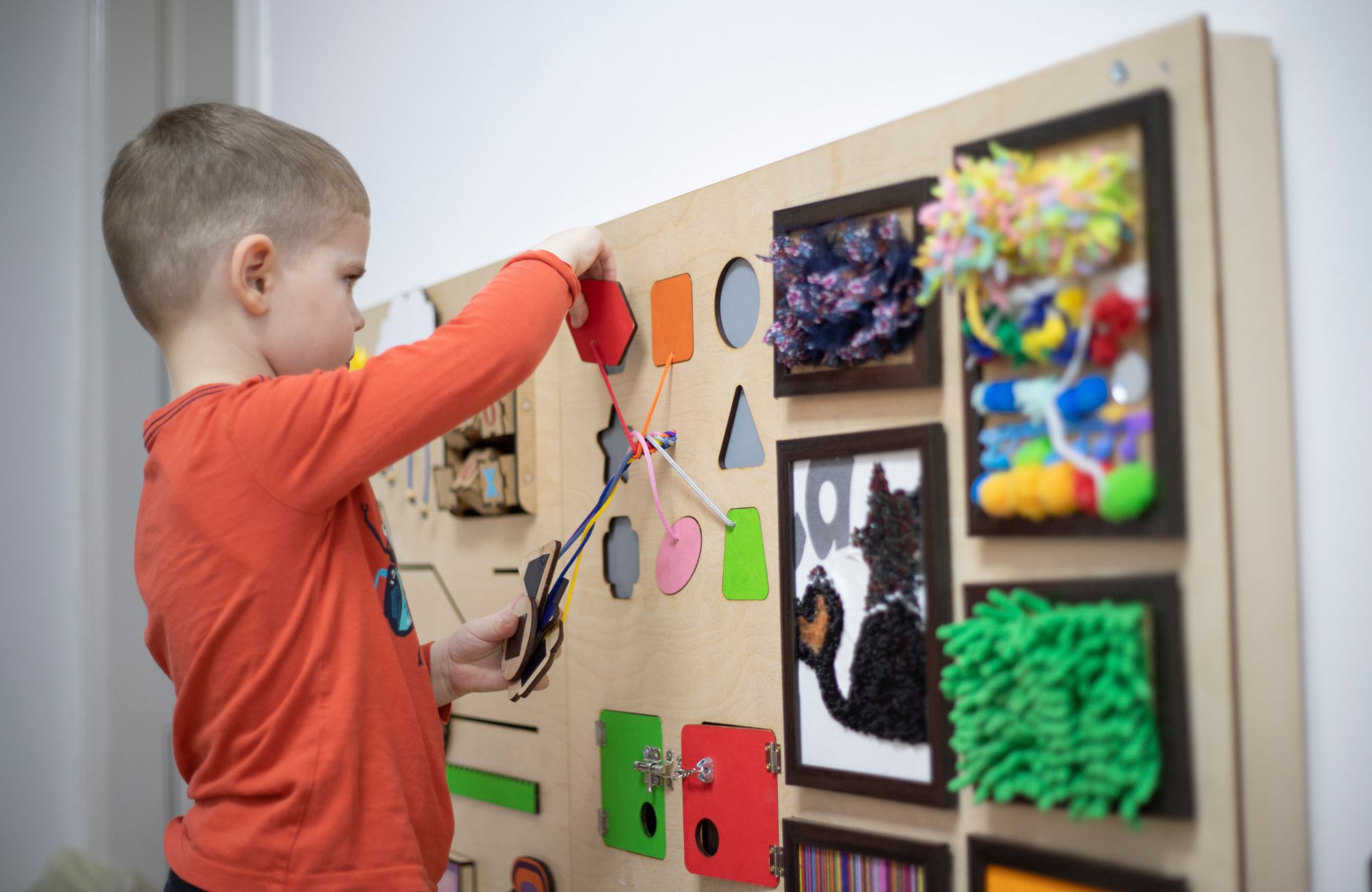
Response priming is an ABA strategy that prepares autistic children for upcoming transitions, new routines, or unfamiliar situations before they happen. It may use visual supports, simple explanations, role-play, or guided practice to help children understand what to expect and reduce uncertainty. In ABA and educational settings, this approach is more commonly described as priming. Using visual supports, simple explanations, role-play, or practice, priming helps children understand what to expect during transitions, unfamiliar situations, or changes in routine. Unlike prompting, which happens during an activity, priming takes place beforehand to build familiarity and reduce uncertainty.
Priming is a commonly used advanced-preparation approach in some ABA and educational settings. Related strategies, including antecedent-based interventions and visual activity schedules, have research support for autistic children when they are individualized and implemented systematically. Families looking for personalized support can learn more about ABA therapy in East Orange, including Apple ABA’s home-based services for children and families in Essex County.
What Is Priming in ABA?
Priming in ABA is a proactive strategy that prepares a child for an upcoming activity before it begins. By introducing relevant information, expectations, or practice opportunities ahead of time, priming may help some children approach an activity with greater familiarity and clearer expectations. Therapists individualize priming techniques to match each child’s communication style, developmental level, and goals.
Unlike strategies that respond after a behavior occurs, priming is an antecedent strategy that prepares a child before an activity begins. In this guide, “response priming” refers to preparing children in advance so they better understand what to expect. The goal is to provide enough information and support so children can approach new situations with greater confidence and fewer surprises.
For example, if a child has a dentist appointment later in the day, a therapist or parent might spend a short amount of time reviewing pictures of the dental office, explaining what will happen, practicing sitting in a chair, or reading a simple social story. This type of preparation may help the child understand what to expect and feel more familiar with the visit.
Priming Prepares Children Before the Challenge Begins
Many children with autism spectrum disorder thrive when they know what will happen next. Unexpected changes, unfamiliar environments, or new expectations can increase stress and make it harder to communicate or participate. Priming prepares individuals by presenting relevant information before these situations occur, giving them time to process the experience in a low-pressure setting.
Depending on the child’s needs, therapists may use different priming strategies, including:
- Visual schedules that outline each step of an activity
- Pictures or visual cues showing unfamiliar places or people
- Verbal reminders about expected behaviors
- Role-playing to practice social interactions
- Guided practice of parts of a routine before the activity begins. Any physical assistance should be appropriate for the child’s needs and provided safely by trained caregivers or professionals when necessary.
- Social stories that explain upcoming events using simple language
Each approach can support preparation in different ways. In ABA services, a BCBA may help select and adjust strategies based on the child’s strengths, communication abilities, and treatment goals. Parents, educators, and caregivers can also use simple preparation approaches in everyday routines.
How Priming Differs From Giving Instructions
Priming prepares a child before an activity begins, while instructions tell the child what to do during the activity. Priming builds familiarity with an upcoming situation, whereas instructions guide immediate behavior or task completion.
The table below highlights the difference.
| Priming | Giving Instructions |
| Happens before an activity | Happens during an activity |
| Builds familiarity and confidence | Directs immediate behavior |
| Reduces uncertainty and anxiety | Focuses on completing a task |
| May include visuals, role-play, or discussion | Usually relies on verbal directions |
| Supports learning readiness | Supports task completion |
Because priming occurs ahead of time, children have an opportunity to ask questions, practice skills, and become familiar with expectations before an activity begins. This proactive strategy may support smoother transitions or participation for some children when it is individualized and adjusted based on their response.
Why Priming Works for Children With Autism
Priming may reduce uncertainty by giving a child relevant information and a chance to practice before an upcoming situation. Its usefulness depends on the child, the setting, the preparation method, and how the approach is individualized. By introducing relevant expectations early, priming may help some children approach therapy sessions, school activities, and daily routines with greater familiarity. The response can vary based on the child, activity, timing, and type of support used. When preparation is individualized and practiced across settings, it may support a child’s ability to use familiar routines or skills in more than one environment.
Many individuals with autism process new experiences differently. Changes in routine, unfamiliar environments, or unexpected demands may increase stress, making it more difficult to communicate, regulate emotions, or complete specific tasks. Priming addresses these challenges by introducing relevant stimuli before the activity begins instead of waiting until the child becomes overwhelmed.
In ABA and educational settings, preparation may be used to make upcoming activities feel more predictable. Therapists, educators, and caregivers should monitor the child’s response and adjust the timing, amount of information, or type of support when needed.
Priming Reduces Anxiety and Builds Confidence
A potential benefit of priming is that it can make an upcoming routine or event feel more predictable for some children. When children understand what will happen next, they often feel more in control of the situation.
Priming may help children:
- Make transitions feel more predictable
- Increase willingness to participate
- Practice communication before an activity
- Build familiarity with new routines
- Increase confidence through preparation
Successful practice runs also reinforce positive behaviors before they are needed. For example, rehearsing greetings before attending a birthday party allows a child to experience success in a calm setting rather than learning under pressure.
Priming Supports Learning Beyond Therapy Sessions
Every child responds differently to priming. A strategy that helps one child may need to be adjusted for another based on communication style, sensory preferences, developmental goals, and the activity itself. Families can work with their child’s therapist, educator, or care team to determine which preparation methods fit best into everyday routines.
The table below shows how priming techniques support everyday learning.
| Everyday Situation | Example of Priming | Possible Positive Outcome |
| Going to school | Review the morning routine with a visual schedule | Smoother classroom transition |
| Visiting the doctor | Practice sitting still and discuss each step | Less anxiety during the appointment |
| Grocery shopping | Explain expectations before entering the store | Improved cooperation while shopping |
| Family gathering | Role-play greetings and conversations | More successful social interactions |
| Bedtime routine | Review each step using visual support | Greater independence before bed |
As children become more familiar with these routines, therapists gradually reduce the amount of support they provide. This process encourages independence while helping families build consistent routines at home.
When Should Priming Be Used?
Priming is most effective before situations that may feel unfamiliar, stressful, or difficult for a child. Preparing ahead of time helps children understand what to expect, reducing transition-related stress and creating more successful learning experiences. While therapists often use priming during ABA therapy, families can also incorporate it into everyday routines at home and in the community.
There is no single schedule that works for every child. Some children benefit from priming the night before an activity, while others respond better to a brief five to ten-minute review immediately beforehand. A BCBA determines the best timing based on the child’s attention span, communication skills, and previous experiences. Monitoring progress also helps the therapy team adjust the priming process as the child develops new skills.
When Priming May Not Help
Not all the time, priming is the right fit for every child or situation. Some children may become more worried when an event is discussed too far in advance, while others may lose interest if the preparation includes too much information.
Consider adjusting the approach if your child becomes more distressed after priming, seems overwhelmed by the details, or begins to rely on lengthy preparation for every routine. In these situations, it may help to shorten the review, simplify the visuals, change the timing, or speak with your child’s therapy team about other supports.
Everyday Situations Where Priming Helps
Priming can support many daily activities, including those that children may initially find challenging.
- Starting the school day
- Visiting the doctor or dentist
- Getting a haircut
- Attending birthday parties
- Going grocery shopping
- Meeting new people
- Transitioning between preferred and non-preferred activities
- Trying a new food
- Beginning homework
- Preparing for family vacations
The goal is not to eliminate every challenge. Instead, priming prepares children with relevant information and realistic expectations so they feel more comfortable navigating new experiences.
Signs That Priming May Be Helpful
Parents often ask whether their child needs priming before every activity. In most cases, therapists recommend using it when a child has previously struggled with a similar situation or when an upcoming event introduces something unfamiliar.
Priming may help if your child:
- Becomes anxious during transitions
- Has difficulty with unexpected changes
- Avoids new activities
- Shows challenging behaviors before outings
- Benefits from visual schedules or verbal reminders
- Needs extra time to process information
As children become more confident, therapists gradually reduce the amount of priming they provide. This helps children develop greater independence while maintaining positive outcomes.
Priming does not eliminate every challenge, and some children may need adjustments if additional preparation increases anxiety. Therapists monitor how a child responds and modify or gradually fade priming as appropriate so it supports participation rather than creating dependence on preparation.
How BCBAs Personalize Priming for Every Child
Although the principles behind priming remain consistent, no two children receive the exact same approach. Board Certified Behavior Analysts (BCBAs) evaluate each child’s strengths, challenges, communication style, and developmental goals before selecting the most effective priming techniques. This individualized planning helps create meaningful progress rather than relying on generic strategies.
Successful priming begins with understanding why a child finds certain situations difficult. Some children need extra support with communication, while others respond to sensory changes or unfamiliar routines. Instead of applying one method to everyone, therapists design intervention programs that match each learner’s unique needs.
The Assessment Comes First
Before incorporating priming techniques, a BCBA gathers information through observations, caregiver interviews, individual assessments, and session data. This process helps identify situations where additional preparation could improve participation and reduce anxiety.
The therapist considers questions such as:
- Which situations cause the most stress?
- Does the child respond better to visual or verbal cues?
- How much preparation is helpful without becoming overwhelming?
- Which reinforcers motivate the child?
- How does the child communicate questions or concerns?
These answers guide the treatment plan and ensure priming remains purposeful instead of routine.
Choosing the Right Priming Technique
Priming takes various forms depending on the child and the activity. Many therapists combine several approaches to create a supportive learning environment.
Some examples include:
| Priming Technique | How It Helps |
| Visual priming | Uses pictures, schedules, or symbols to preview activities |
| Verbal priming | Provides simple explanations and verbal cues before transitions |
| Modeling or guided rehearsal | Demonstrates and practices part of a routine, movement, or interaction before the activity begins. |
| Social stories | Explains social situations using age-appropriate language |
| Role-playing | Allows children to practice communication and expected behaviors |
Therapists also monitor how well each approach works. If one strategy no longer produces the desired outcomes, they adjust it based on data collected during therapy sessions.
At Apple ABA, therapists work closely with families because parents know their children best. By combining professional expertise with caregiver input, the therapy team develops practical priming strategies that fit naturally into everyday routines at home.
Real-Life Examples of Priming at Home
Priming works best when children can practice skills in the same places where they use them every day. Home-based ABA therapy gives therapists and families opportunities to prepare for real situations instead of relying only on structured clinic activities. This practical approach helps children apply learned skills more confidently across different environments.
Parents do not need complicated materials to begin implementing priming techniques. Short conversations, visual aids, role-playing, and consistent routines often provide enough preparation to reduce anxiety and encourage active participation.
Morning Routine
A parent might review a simple visual schedule showing breakfast, getting dressed, brushing teeth, and leaving for school. Talking through each step before the morning begins helps the child understand the sequence and reduces uncertainty.
Haircut Appointment
Several days before the appointment, a therapist may introduce pictures of the salon, explain the sounds the child might hear, and practice sitting still for short periods. These small practice sessions often make the actual appointment feel more familiar.
Grocery Shopping
Before entering the store, parents can explain where they are going, how long they expect to stay, and what behaviors they want to see. Reviewing expectations ahead of time often leads to smoother transitions inside the store.
Birthday Party or Family Gathering
Social situations can feel unpredictable for many children. Reading a social story, practicing greetings, or discussing games that might happen helps children prepare for conversations and group activities before they arrive.
These examples show that priming plays a vital role beyond formal ABA therapy sessions. Children who repeatedly practice these routines often become more comfortable with change, strengthening communication skills, increasing independence, and improving skill generalization across different settings.
If your child struggles with transitions at home or in the community, personalized in-home ABA therapy can make these everyday moments valuable learning opportunities. Our in-home ABA therapy approach allows therapists to coach families during real routines, creating practical strategies that support long-term success rather than temporary improvements.
Priming vs. Prompting: What’s the Difference?
Priming happens before an activity to prepare a child for what to expect, while prompting happens during the activity to guide the correct response. Both strategies support learning in ABA therapy, but they are used at different stages of a task or routine.
Although the terms sound similar, they are not interchangeable. Priming focuses on building familiarity and confidence before a task begins. Prompting provides assistance only when a child needs help completing the task or demonstrating a skill.
The comparison below highlights the key differences.
| Priming | Prompting |
| Happens before an activity | Happens during an activity |
| Reduces uncertainty | Guides the correct response |
| Builds confidence through preparation | Supports task completion in the moment |
| May use visual schedules, social stories, or role-play | May use verbal, gestural, visual, or physical prompts |
| Encourages learning readiness | Encourages successful task performance |
Many ABA therapy programs use both strategies together. A therapist may prime a child before entering a classroom and then provide a verbal or physical prompt if the child needs extra guidance once the activity begins. As the child’s confidence grows, therapists gradually fade prompts to encourage greater independence.
Common Mistakes to Avoid When Using Priming
Keep priming short, clear, and focused on the upcoming activity.
- Giving too much information at once
- Preparing so far in advance that the child becomes worried or confused
- Using language that is too complex
- Changing expectations at the last minute without explanation
- Continuing the same approach when it is not helping
- Expecting immediate results after one practice session
- Treating priming as a replacement for individualized support when a child needs more help
A short visual, brief explanation, or quick practice activity is often more useful than a long conversation.
How In-Home ABA Therapy Makes Priming More Effective
In-home ABA therapy supports priming by allowing children to practice preparation strategies during familiar, real-life routines. Therapists can use visuals, short previews, role-play, and guided practice before activities such as getting ready for school, grocery shopping, family visits, or community outings. Caregiver coaching also helps families apply these strategies consistently in ways that fit the child’s communication needs and daily routine.
Rather than practicing hypothetical situations, therapists can prepare children for activities they will actually experience that day. For example, they might review the morning routine before school, prepare for a grocery trip later that afternoon, or practice communication before relatives visit. Learning within these real environments helps children connect new skills to everyday life.
Families also benefit because they participate directly in the learning process. Therapists coach parents on implementing priming techniques, using visual supports, and providing consistent reinforcement between sessions. This collaborative approach strengthens progress and gives caregivers practical tools they can continue using independently.
For families throughout New Jersey, Apple ABA provides concierge in-home ABA therapy that fits naturally into daily routines. Personalized treatment plans, flexible scheduling, and ongoing caregiver collaboration help children build skills where they matter most, at home, in school, and throughout the community.
Conclusion
Priming is a practical advance-preparation strategy that may help autistic children understand an upcoming activity, transition, or unfamiliar setting before it happens. By introducing expectations in advance through visual supports, discussion, or practice, priming can make new experiences feel more predictable and support smoother participation. Because every child responds differently, the approach should be individualized and adjusted as skills develop.
At Apple ABA, our Board Certified Behavior Analysts (BCBAs) create individualized priming strategies alongside evidence-based ABA techniques to help children strengthen communication, social, daily living, and behavioral skills through personalized in-home ABA therapy. Serving families throughout Morris County, Passaic County, Mahwah, Totowa, West Paterson, Madison, Kinnelon, and nearby New Jersey communities, we partner closely with caregivers to develop customized treatment plans that reflect each child’s unique goals and learning style. Through comprehensive assessments, Natural Environment Teaching (NET), ongoing progress monitoring, and family collaboration, we help children build lasting skills in the environments where they use them every day. Contact us to learn how our family-centered, concierge in-home ABA therapy services can support your child’s growth and long-term success.
FAQs
How long before an activity should priming happen?
There is no single timeline. Some children benefit from a brief review a few minutes beforehand, while others do better with preparation earlier in the day. A BCBA can recommend the best timing based on the child’s needs.
Can parents use priming at home?
Yes. Parents often use simple visual schedules, short conversations, or role-play to prepare children for everyday activities. ABA therapists can help families choose strategies that fit their routines.
How do you know if priming is working?
Signs that priming is helping may include smoother transitions, greater participation, or less hesitation before familiar activities. Therapists monitor progress and adjust the approach as needed.