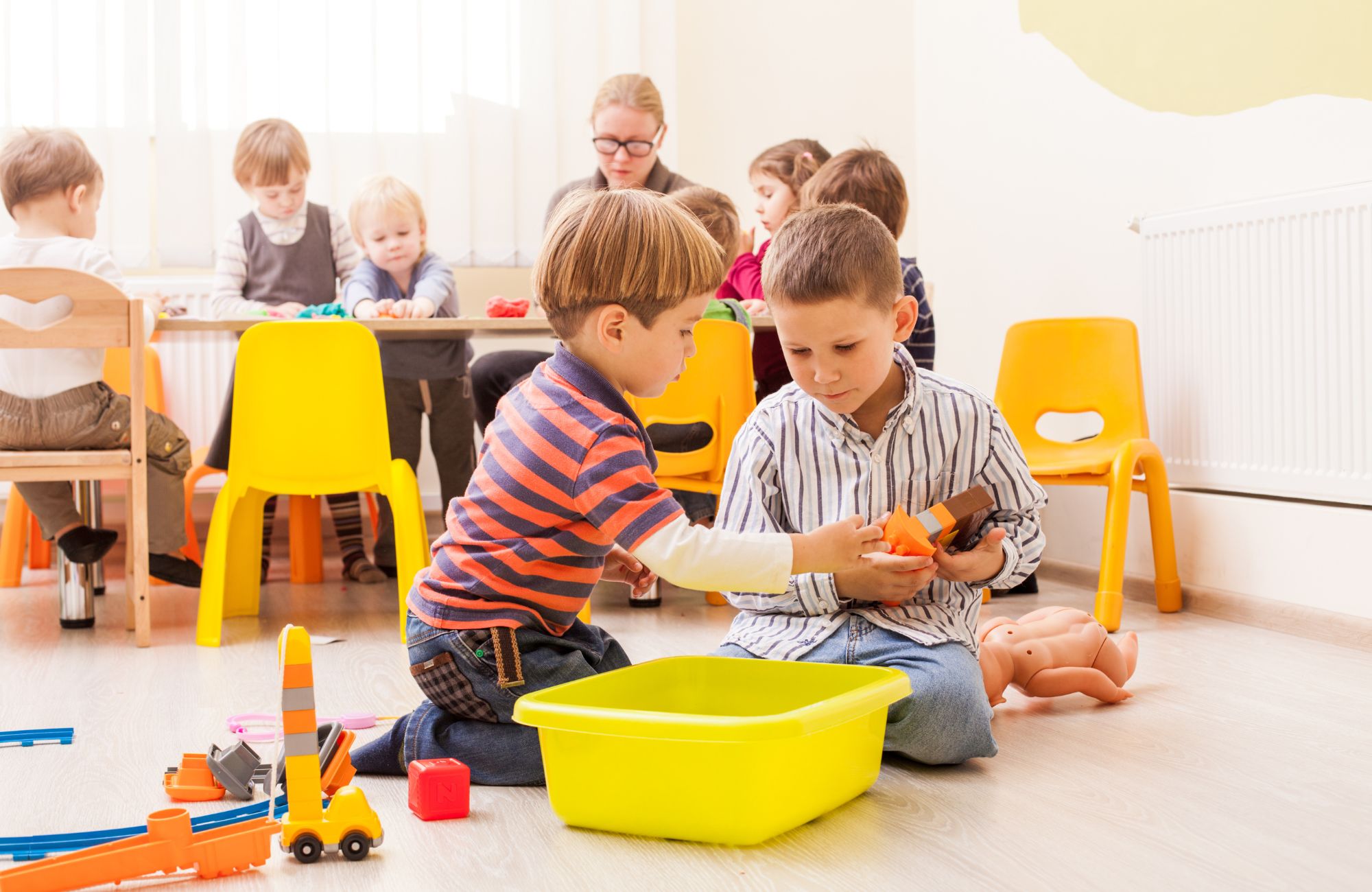
The best autism group social skills activities include turn-taking games, cooperative building projects, role-play, group storytelling, movement activities, and games based on shared interests. These activities give children practical opportunities to communicate with peers, work toward a shared goal, respond to different ideas, manage changes, and express their needs in a supportive setting.
Choosing the right activity depends on the child’s interests, developmental level, communication style, sensory needs, and current social goals. This guide shares 10 adaptable ideas that parents, caregivers, therapists, and group facilitators can use without forcing eye contact or expecting every child to participate in the same way. Families in West Orange can also explore Apple ABA’s personalized ABA therapy services in West Orange when their child needs individualized support applying social skills at home and in everyday situations.
What Are Autism Group Social Skills Activities?
Autism group social skills activities are structured games, discussions, and shared tasks that let autistic children practice communication, cooperation, emotional regulation, and social problem-solving with peers. Effective activities teach a clear skill, provide visual or verbal support, and give each child several comfortable opportunities to participate without forcing eye contact or a single communication style.
Unlike unstructured play, a social skills group usually follows a predictable plan. A trained facilitator may introduce one goal, demonstrate it, guide the children through practice, and then help them reflect on what happened. The goal might involve taking turns, asking to join an activity, listening to another person, respecting personal space, or expressing a need.
Research on social skills group training shows promising but mixed results. A systematic review of social skills groups found modest improvements, although outcomes varied and skills did not always transfer to other settings. Parents should ask how a program sets goals, adapts activities, and supports real-life practice.
A well-designed group should provide:
- A small and manageable number of participants
- Clear goals for each session
- Predictable routines and visual schedules
- Activities matched to the children’s abilities
- Multiple ways to communicate and participate
- Guided feedback without embarrassment
- Practice in natural environments when possible
- Caregiver guidance for using the skill at home
These features create a supportive environment where children can learn from instruction, peer interaction, repetition, and real experience.
Which Social Skills Can Children Practice in a Group?
Group activities can support both basic and advanced social abilities, from waiting briefly for a turn to solving a disagreement with a peer. The most useful target depends on the child’s strengths, daily challenges, communication method, and age rather than a standard sequence that every autistic child must follow.
Social skills include more than speaking clearly or making friends. They also include self-advocacy, emotional regulation, understanding when a peer wants space, asking for clarification, and using an AAC device or gesture to participate in a shared task.
The following table connects common goals with suitable activities:
| Social Goal | Group Activity | Skill Practiced | Simple Adaptation |
| Taking turns | Rolling a ball | Waiting and shared attention | Use a “my turn/your turn” card |
| Starting communication | Shared-interest circle | Initiating and responding | Let the child show an object instead of speaking |
| Reading emotions | Emotion matching | Recognizing facial and situational cues | Begin with two clear choices |
| Working together | Collaborative building | Cooperation and problem-solving | Give each child one defined role |
| Handling changes | Rule-switching game | Flexibility and self-regulation | Preview the change with a visual cue |
| Joining play | Role-play scenarios | Entering a social situation | Practice with toys before peers |
| Listening to others | Story-building game | Active listening and perspective-taking | Use picture prompts |
| Resolving problems | Social scenario cards | Social problem-solving | Offer two possible responses |
A child does not need to master every skill at once. Starting with one meaningful goal makes practice clearer for the child, facilitator, and family.
What Are the Best Autism Group Social Skills Activities?
The best group activities have a clear purpose, simple rules, and room for adjustment. Activities work especially well when they use children’s interests, allow different forms of communication, and create natural reasons to notice, respond to, or cooperate with another participant.
Parents can also explore these group skills games for kids with autism for more ideas that support turn-taking, communication, cooperation, and peer interaction.
1. Turn-Taking Ball Game
Have the children sit or stand in a small circle and roll or pass a ball to one another. The facilitator can begin by naming the next person or showing a visual turn card.
This activity helps children practice waiting, responding to another person, and following a simple group routine. Keep the first round short and predictable. A child who does not want to catch the ball could point to the next person, place it in a basket, or choose who receives it.
2. Collaborative Building Challenge
Give the group blocks, magnetic tiles, or other safe building materials and ask them to create one structure together. Assign roles such as choosing pieces, finding colors, connecting sections, or checking the picture.
Collaborative building gives children a concrete reason to exchange information and solve problems. It can also support nonverbal communication because participants can point, demonstrate, match, or hand materials to one another. Clear roles keep the activity organized and prevent one child from controlling the entire project.
3. Emotion Matching Game
Use cards that show different emotions and ask participants to match faces, situations, or possible responses. For example, a card might show a child dropping an ice cream cone, while another card shows disappointment.
Emotion activities should teach possibilities rather than rigid rules. People can respond differently to the same situation, so facilitators can use phrases such as “They might feel…” instead of telling children there is always one correct emotion.
4. Role-Play Scenarios
Role-play allows children to rehearse real-life situations before they encounter them. Useful scenarios include asking to join a game, requesting a break, telling someone to stop, greeting a classmate, sharing materials, or handling a changed plan.
Children can participate directly, use puppets, move figures, select picture responses, or watch a model first. Role-playing works best when the situation connects to everyday life and the child receives specific, supportive feedback.
5. Group Story Building
One participant begins a story, and each child adds a word, sentence, picture, or action. The facilitator can provide visual prompts for the setting, characters, problem, and ending.
This fun game supports active listening, flexible thinking, and responding to another person’s idea. For children who find open-ended tasks difficult, offer two picture choices or let them arrange printed story parts.
6. Cooperative Movement Course
Set up a simple relay or movement course where children complete parts of a shared task. One child might carry a beanbag, another may place it in a hoop, and a third may signal when the next person starts.
Structured physical activities can help participants follow group instructions and wait for peers while also allowing movement. Avoid making speed or winning the main focus. Cooperation should determine success.
7. Social Story Discussion
A social story explains a situation, possible social cues, and helpful responses in a short, concrete format. A group can read or watch a story about joining an activity, losing a game, asking for help, or noticing that someone needs personal space.
Afterward, participants can identify choices, act out the scene, or create a new ending. Social stories should clarify situations without suggesting that every person must behave or communicate identically.
8. Video Modeling
Show a short video of a child or adult demonstrating a target skill, such as asking to play, taking turns, or requesting clarification. Pause at key moments and ask the group what they noticed.
Video modeling gives children a stable example they can watch more than once. Facilitators should keep videos brief, use realistic settings, and explain that the model shows one possible response rather than the only acceptable response.
9. “Would You Rather?” Conversation Game
Ask age-appropriate questions such as, “Would you rather visit the beach or the mountains?” Each participant chooses an answer and explains it through speech, pictures, gestures, or an AAC device.
This game supports choice-making, conversational turns, and learning about peers. It also works well with shared interests. Avoid questions that pressure children to reveal private information.
10. Shared-Interest Club
Build a group activity around a common interest, such as LEGO building, animals, trains, drawing, space, music, or board games. Shared interests create a natural topic and reduce the pressure to make conversation without context.
Facilitators can teach skills within the activity, such as sharing materials, asking a relevant question, or responding to another person’s idea. The interest remains central, while social learning develops around it.
How Should Social Skills Activities Be Structured?
Effective autism social skills activities follow a predictable sequence: explain the goal, model the skill, practice it with support, use it in a realistic setting, and review what happened. This structure gives children direct instruction while still allowing flexibility for different ages, communication styles, and sensory needs.
A session does not need to feel like a classroom lecture. Children often learn more effectively when the teaching stays brief, and most of the session involves purposeful play or interaction.
A practical session may follow these five steps:
- Preview the plan. Show a visual schedule and explain the social goal in clear language.
- Model the skill. Demonstrate the action through live modeling, pictures, a social story, or video.
- Practice with support. Let participants try the activity with prompts, choices, and encouragement.
- Use a realistic situation. Apply the skill during play, a snack routine, a cooperative task, or a community activity.
- Reflect and plan. Ask what felt easy, what felt difficult, and where the child could use the skill next.
Feedback should focus on specific actions. “You waited until Maya finished before adding your idea” gives the child more useful information than “Good job being social.”
Positive reinforcement can also support participation, but it should match the child’s preferences and the purpose of the activity. Praise, access to a favorite topic, a movement break, or choosing the next game may all work better than using the same reward for every child.
How Can Activities Support Different Communication Needs?
Children can participate in group activities through speech, gestures, signs, pictures, writing, eye gaze, movement, or an augmentative and alternative communication device. A group becomes more inclusive when facilitators adapt the communication demands instead of treating spoken language as the only valid form of participation.
A child who does not answer a discussion question aloud may still select a picture, point to an emotion, activate a prerecorded AAC message, or demonstrate an answer with an object. These responses can meet the same social goal.
Useful adaptations include:
- Providing visual choices before asking open-ended questions
- Allowing additional processing time
- Keeping AAC devices available throughout the activity
- Using first-then boards and visual schedules
- Pairing spoken instructions with pictures or demonstrations
- Accepting gestures and movement as communication
- Previewing unfamiliar vocabulary
- Practicing with one peer before joining a larger group
Visual supports can increase predictability, support communication, and help people participate at home and in community settings, although the evidence base for home implementation continues to develop.
How Can Groups Stay Sensory-Friendly and Supportive?
A sensory-friendly group reduces unnecessary noise, crowding, touch, uncertainty, and social pressure. Facilitators should observe how each child responds, offer choices, and adjust the space or activity before discomfort becomes overwhelming. Participation should never depend on suppressing harmless self-regulation or maintaining forced eye contact.
Sensory issues can affect how a child engages. A loud room may make active listening difficult, while a crowded table may create discomfort with personal space. Another child may concentrate better while standing, moving, or holding a familiar sensory item.
Helpful adjustments include lowering background noise, limiting group size, defining personal areas, warning children before transitions, and providing a quiet break space. Facilitators can also let a child watch the first round before deciding whether to join.
When a child walks away, refuses, or becomes upset, adults should pause and look for the reason. The activity may feel confusing, difficult, unpredictable, tiring, or uninteresting. Simplifying the task, changing the materials, reducing the group demand, or returning later often teaches more than insisting on completion.
Why Do Peer Interaction and Real-Life Practice Matter?
Peers give children opportunities to respond to genuine differences in ideas, communication, timing, and play. However, group-room practice alone may not carry into everyday situations. Children also need supported opportunities to practice social skills in natural settings, including at home, at school, and during community activities.
Peer-mediated interventions train or guide peers to model and encourage social interaction. Systematic reviews describe peer-mediated approaches as promising for improving initiations, responses, and social exchanges, although each child’s needs and the quality of implementation still matter.
For example, a child may practice asking to join a block activity during a social group. Later, the facilitator could help the child use a similar approach during recess, with siblings, or at a community program. The exact words do not need to remain the same; the functional skill is finding a comfortable way to enter shared play.
Families can reinforce this carryover through brief everyday opportunities:
- Choosing and explaining a family game
- Sharing materials during an art activity
- Asking a sibling for help
- Waiting while someone prepares a snack
- Practicing a store or playground situation
- Telling another person when they need space
- Reviewing an interaction after it happens
This type of practice helps children use skills beyond a therapeutic activity and in situations that matter to them.
How Does In-Home ABA Support Social Skills?
In-home ABA therapy can connect social goals to the routines, people, and settings a child experiences every day. A therapist may assess what makes a situation difficult, teach the skill in manageable steps, support caregivers, and track whether the child uses the skill more independently across activities.
For a West Orange child, that might involve practicing turn-taking with siblings, asking for help during homework, communicating a break during family routines, or preparing for a local community activity. Because teaching happens in the child’s natural environment, the therapist can adjust the plan around real materials, schedules, and family priorities.
Apple ABA offers personalized home-based therapy, assessments, caregiver collaboration, progress tracking, and concierge support for families in West Orange and Essex County. Its published process includes enrollment assistance, insurance intake, an initial assessment, individualized therapy, and coordination of care.
A treatment plan may use strategies such as modeling, visual supports, role-playing, prompting, positive reinforcement, and practice in natural environments. Parents can also learn more about how to teach social skills to an autistic child through structured activities and everyday routines. The specific methods should reflect the child’s strengths, needs, and goals rather than a generic list of age-based social expectations.
How Can Parents Choose the Right Social Skills Group?
Parents should choose a group based on its teaching approach, participant fit, staff training, communication supports, and plan for using skills outside the session. A good program should explain what it teaches, how it protects each child’s comfort, and how it measures meaningful progress without promising identical outcomes.
Before enrolling, ask the provider:
- How do you decide which skills to teach?
- How large are the groups?
- How do you group children by age, interests, and developmental level?
- Can children use AAC, visual supports, or other communication methods?
- What happens when a child does not want to participate?
- How do you address sensory needs?
- Do you require eye contact?
- How do you involve parents or caregivers?
- How do children practice skills in realistic settings?
- How do you track progress and adjust goals?
Parents should also look for a safe and supportive space where staff respect different communication styles. A group should help a child build useful connections, confidence, and self-advocacy rather than simply teach them to appear more typical.
Conclusion
Autism group social skills activities can help children practice communication, cooperation, emotional regulation, and problem-solving in a structured, supportive setting. The most effective activities match the child’s strengths, interests, communication style, and sensory needs while also creating opportunities to use those skills at home, at school, and in everyday social situations.
At Apple ABA, our Board Certified Behavior Analysts develop individualized strategies alongside evidence-based ABA techniques to help children strengthen communication, social, daily living, and behavioral skills through personalized in-home ABA therapy. Serving families in West Orange, Essex County, and nearby New Jersey communities, we use comprehensive assessments, Natural Environment Teaching, ongoing progress monitoring, and caregiver collaboration to create treatment plans that reflect each child’s goals and learning style. Contact us to learn how our family-centered, concierge in-home ABA therapy services can support your child’s growth and long-term success.
FAQs
What are the best social skills activities for autistic children?
The best activities match the child’s goal, interests, communication style, and sensory comfort. Useful options include turn-taking games, cooperative building, role play, social stories, video modeling, emotion matching, and shared-interest clubs. Start with one functional skill and adjust the activity based on how the child responds.
How do you teach social skills to a child with autism?
Teach one clearly defined skill through direct instruction, modeling, guided practice, and real-life use. Visual schedules, social scripts, role-play scenarios, and positive reinforcement can make expectations easier to understand. Parents and therapists should also practice the skill across different settings so it does not remain limited to one activity.
Do social skills groups help children with autism?
Social skills groups can help some autistic children practice communication, shared activities, and peer interaction in a structured setting. Research shows possible improvements in social functioning and social knowledge, but results vary across children and programs. The group’s quality, goals, participant fit, caregiver involvement, and opportunities for real-life practice all affect its usefulness.
Can a nonverbal autistic child join a social skills group?
Yes. A child can participate through pictures, signs, gestures, writing, eye gaze, or an AAC device rather than spoken language. The facilitator should adapt the activities, keep the child’s communication system available, and recognize all clear forms of participation.
What should I do if my child refuses a social activity?
Pause and determine whether the activity feels confusing, overwhelming, tiring, difficult, or uninteresting. Offer a simpler version, another communication option, a break, or a different activity instead of forcing participation. If refusal or distress happens often, a qualified professional can help identify the barrier and recommend a more suitable approach.