

Autism Bedtime Routine Chart: Guide to Calmer Nights
An autism bedtime routine chart breaks the evening into simple, predictable steps that help children understand what comes next and feel less anxious about transitions. Many autistic children respond better to visual sequencing than repeated verbal reminders because the expectations stay visible throughout the routine. Keeping the chart simple, consistent, and matched to the child’s age and learning style can gradually reduce bedtime resistance and support smoother, calmer nights over time.

Errorless Learning Autism Examples Used in ABA Therapy
Errorless learning is a teaching method used in ABA therapy that helps children succeed by preventing errors during the early stages of skill acquisition. Instead of asking a child to complete a task independently right away, therapists provide prompts, visual cues, and physical guidance to lead the child toward the correct response. The long-term goal is always independence, achieved through a gradual process of fading prompts as the child builds confidence and accuracy over time.

Visual Schedules for Autism Printable Guide
Visual schedules for autism use pictures, icons, or written words to show children what comes next in their day, making routines feel more predictable and less stressful. When used consistently at home, these simple printable tools can help reduce transition meltdowns, increase independence, and give children a clear, visual way to understand expectations throughout daily activities.

Low Tech AAC for Autism: How It Works at Home
Low tech AAC for autism helps children communicate using simple tools like picture boards, gestures, and visual supports instead of relying only on speech. When used consistently during everyday routines like meals, play, and transitions, these tools give children a reliable way to express their needs, reduce frustration, and build the foundation for stronger communication and language development over time.

Teaching Turn Taking to Autistic Child at Home
Teaching turn-taking to an autistic child begins with understanding that interaction is a back-and-forth process and that many children need structured support to get there. By using preferred activities, visual cues, short waiting periods, and positive reinforcement, parents can help their child gradually build the social and communication skills needed for everyday interactions at home, school, and beyond.

Autism Morning Routine Visual Schedule
Task analysis for autism daily routines helps children learn everyday skills by breaking complex activities into smaller, manageable steps. From brushing teeth and getting dressed to bedtime and mealtime routines, this structured ABA approach reduces frustration, supports smoother transitions, and builds independence through consistent practice in real-life settings.

Task Analysis for Autism Daily Routines at Home
Task analysis for autism daily routines helps children build independence by breaking everyday activities into smaller, manageable steps that match their current ability level. Whether it’s brushing teeth, getting dressed, or following bedtime routines, this ABA strategy reduces overwhelm, improves consistency, and helps children practice life skills in real-world settings. When taught at home through structured support, daily routines become easier, smoother, and more successful over time.

Prompting and Fading Techniques Autism Parents Need to Know
Prompting and fading techniques in autism help children learn new skills by providing the right level of support at the right time, then gradually reducing that support as independence grows. Used in ABA therapy, these strategies strengthen communication, daily routines, and social skills while preventing prompt dependency. When practiced consistently at home and in therapy, children can build confidence, respond more independently, and apply learned skills in real-life situations.
How to Teach Eye Contact Autism Without Forcing
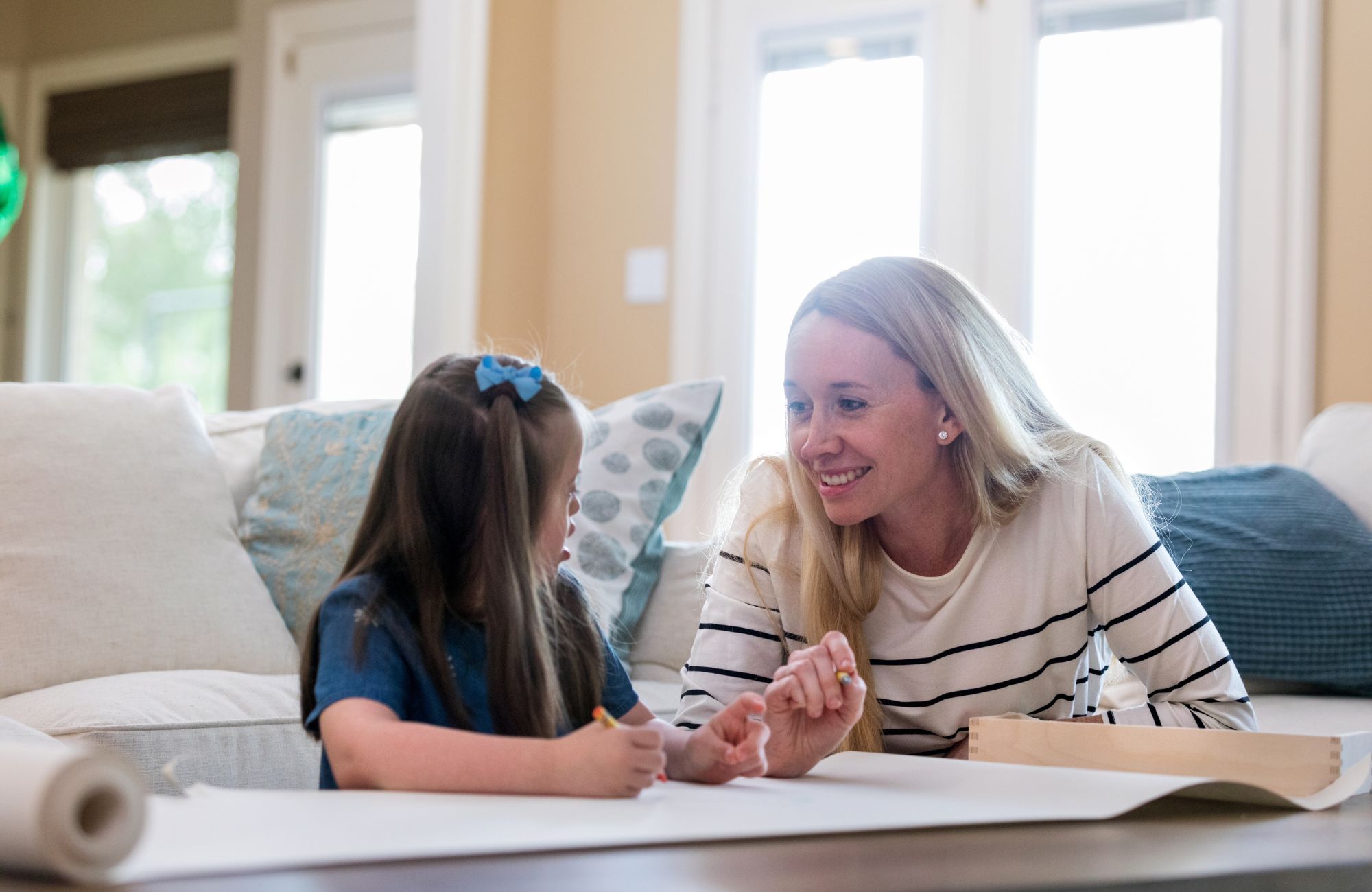
Teaching eye contact in autism should focus on comfort and connection rather than forcing a child to look directly at someone. By using play-based interactions, following the child’s interests, and reinforcing even brief moments of eye contact, parents can help build natural engagement and communication skills over time without causing stress or overwhelm.

