
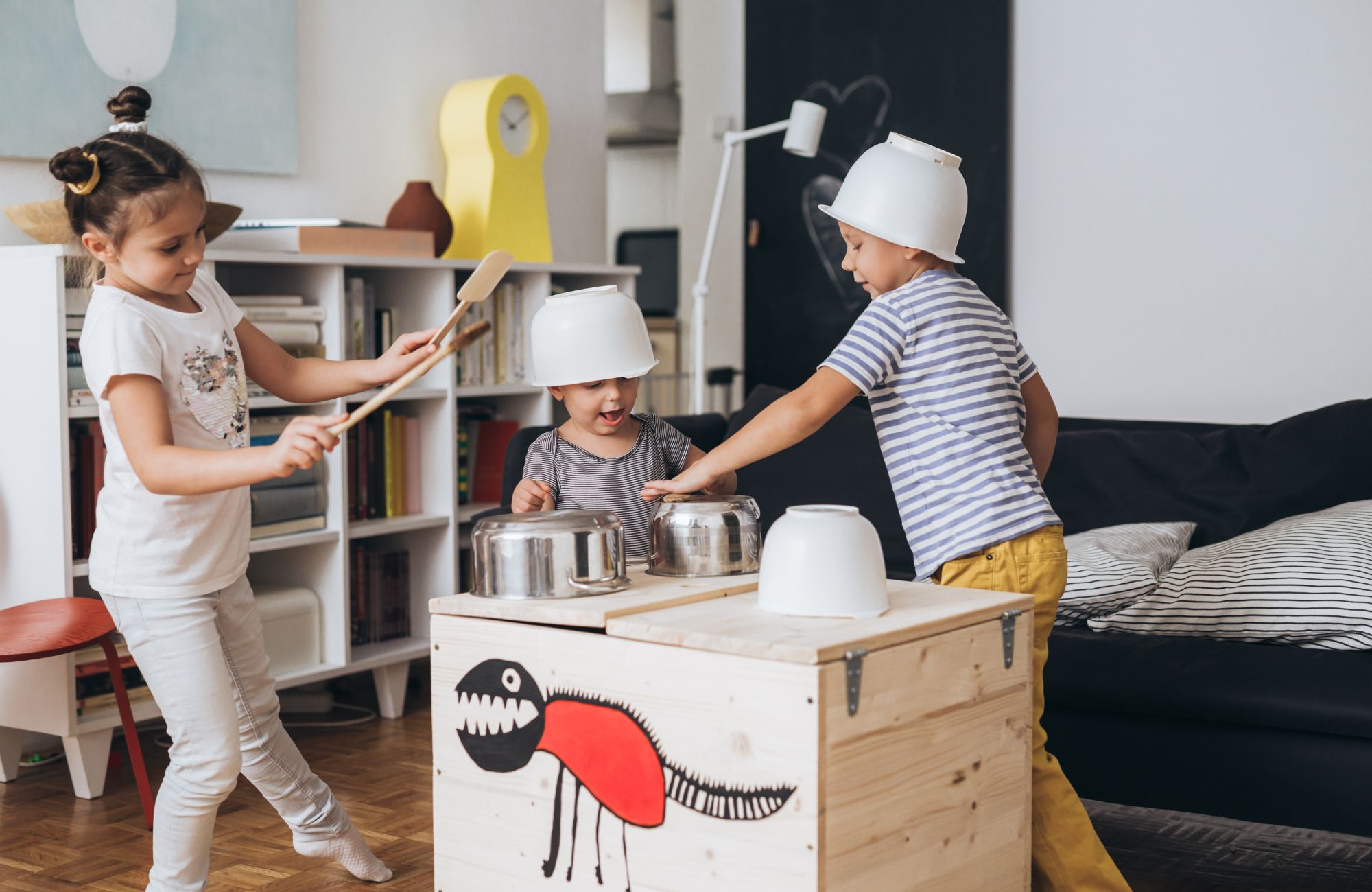
Autism Play Skills Development: A Parent’s Guide
Learn how autism play skills development helps children build communication, social interaction, and everyday life skills through structured support and step-by-step teaching. This guide explains why play may look different in children with autism, how ABA therapy supports skill development, and how in-home therapy helps children grow in a familiar environment while building confidence and independence over time.
Chaining Technique in ABA Therapy: Parent Guide
The chaining technique in ABA therapy is a structured method that helps children with autism learn complex daily routines by breaking them into smaller, manageable steps, allowing them to build independence gradually through consistent practice and reinforcement.
Picture Exchange Communication System Autism (PECS)
The Picture Exchange Communication System (PECS) is a structured, evidence-based approach that helps children with autism communicate by exchanging picture cards to express needs, build language skills, and develop more independent, functional communication over time.
Autism Self-Care Skills Checklist for Daily Independence
An autism self-care skills checklist helps parents and caregivers teach daily living skills like hygiene, dressing, eating, and routines by breaking tasks into simple steps, making it easier for children to build independence, confidence, and consistency in their everyday lives.
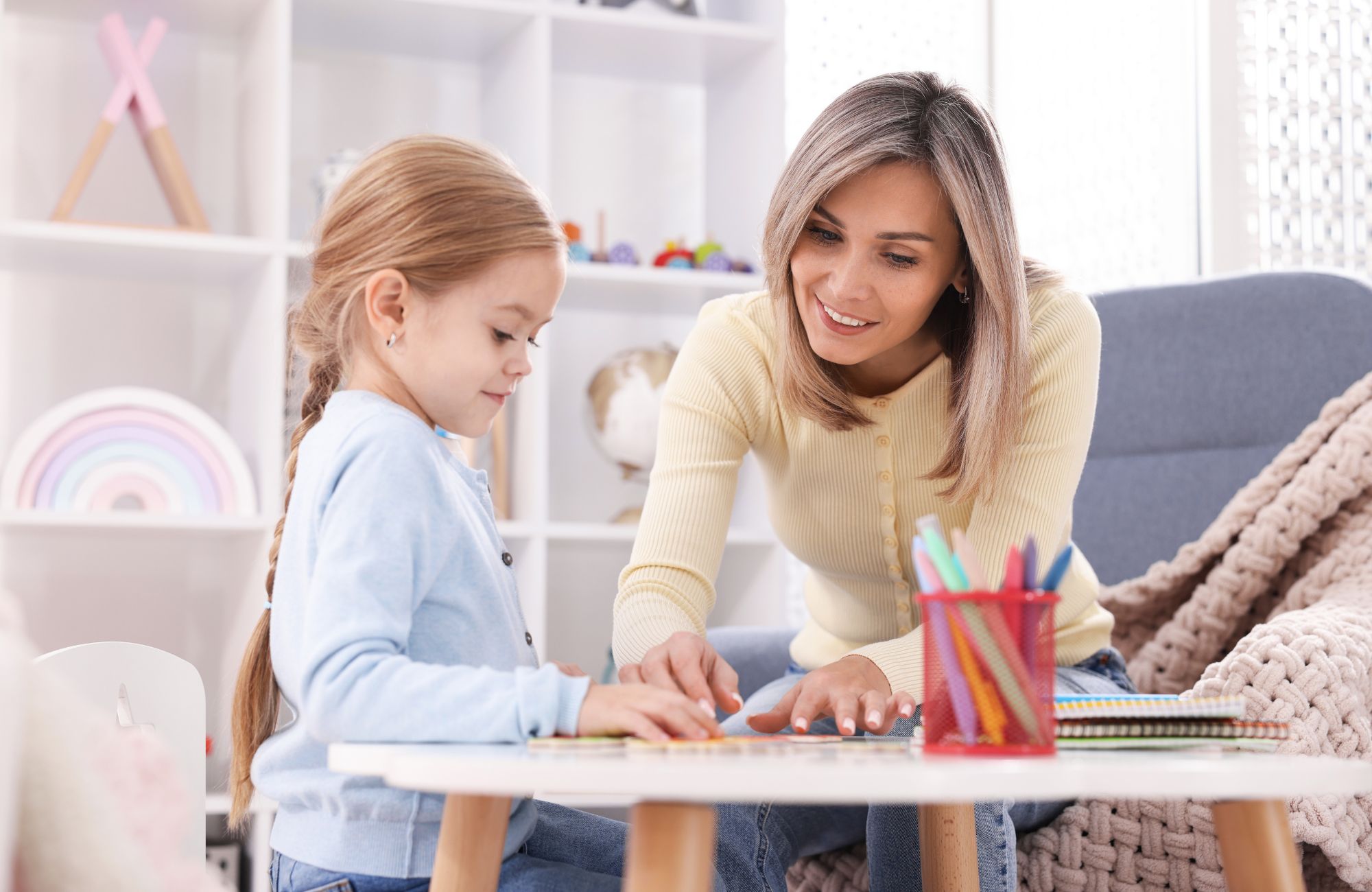
How to Teach Imitation Skills to Autistic Child
Teaching imitation skills to an autistic child helps build the foundation for communication, social interaction, and everyday learning. By encouraging children to copy simple actions, sounds, and facial expressions, caregivers can support language development, play skills, and independence. With consistent practice and structured strategies such as modeling, prompting, and positive reinforcement, children with autism can gradually develop imitation skills that strengthen overall development.
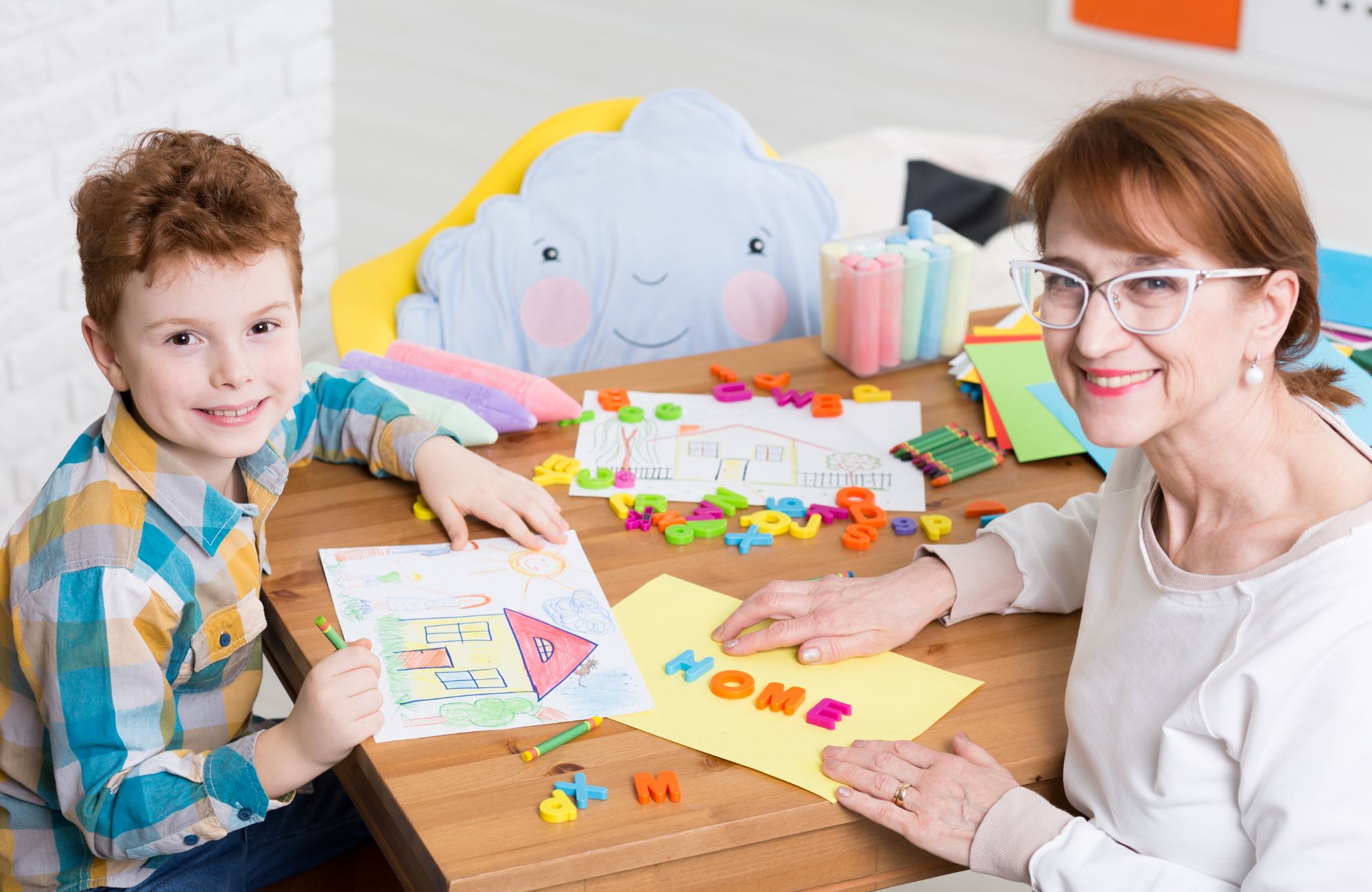
Autism Communication Devices for Nonverbal Children: A Parent’s Guide
Autism communication devices for nonverbal children help bridge the gap when spoken language is limited or absent. Using tools like picture systems, communication boards, or speech-generating devices, children can express needs, emotions, and ideas more clearly. These augmentative and alternative communication (AAC) tools support language development, reduce frustration, and help children participate more confidently in daily interactions at home, school, and in the community.
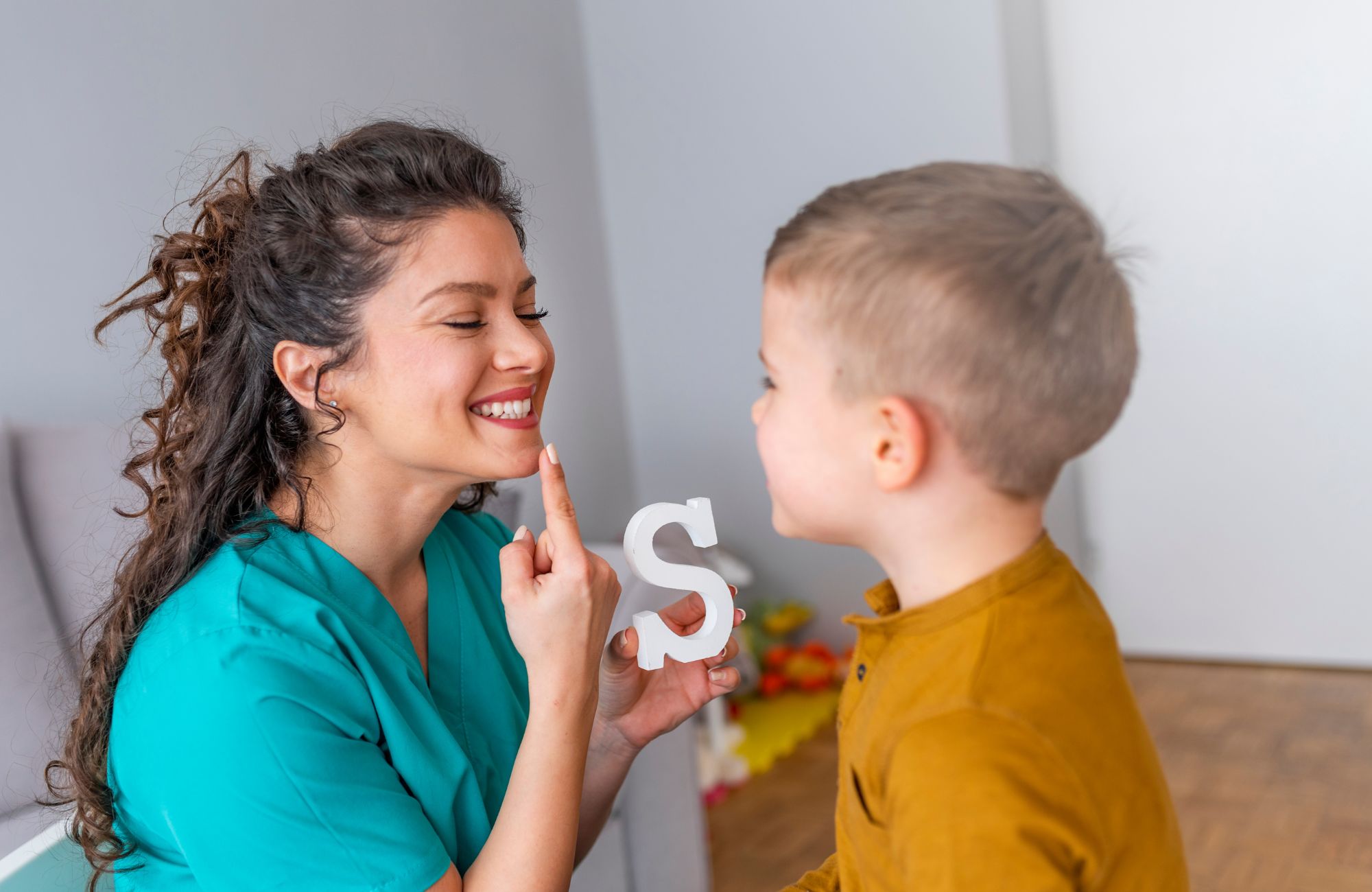
Verbal Behavior Therapy for Autism Explained
Verbal behavior therapy for autism is an evidence-based approach that helps children develop meaningful communication skills through applied behavior analysis (ABA). By focusing on why children communicate and reinforcing successful attempts, this therapy teaches them how to request, respond, and interact more effectively in everyday situations, supporting language development and greater independence.

Autism Transition Strategies for Home That Actually Work
Autism transition strategies for home help children move smoothly between activities, routines, or environments while reducing anxiety and emotional overload. Effective strategies include creating predictable routines without rigidity, using visual supports like timers or social stories, giving advance notice, and reinforcing positive behavior during transitions. Practicing transitions during calm moments and using familiar objects or comfort items can also ease changes. In-home ABA therapy in Branchville and Sussex County, NJ, supports families by teaching these strategies in real-life settings, coaching parents, and gradually building independence and confidence across daily routines.

Generalization in ABA Therapy Examples for Real Life
Generalization in ABA therapy ensures skills learned in sessions carry over into everyday life. For example, a child who learns to request help in therapy may later use that skill at home, at school, or in the community. Stimulus generalization occurs when the skill applies across different materials or people, like identifying colors on flashcards and then on toys or clothing. Response generalization happens when the child expresses the same request in multiple ways, such as saying “help me,” gesturing, or using a communication device. In-home ABA therapy in Branchville and Sussex County supports generalization by teaching skills in natural routines, reinforcing consistency, and involving parents and caregivers in everyday practice.

