

Behavioral Skills Training Autism: A Parent’s Guide to ABA
Learn how behavioral skills training (BST) uses instruction, modeling, rehearsal, and feedback to help autistic children build communication, social, self-care, and daily living skills through structured, evidence-based ABA practice. This guide explains the four-step BST process, how progress is measured, and how in-home therapy helps New Jersey families turn new skills into lasting independence.

Autism Self-Monitoring Strategies for Daily Success
Discover practical, evidence-based autism self-monitoring strategies that help children track progress, build daily routines, and communicate their needs with greater confidence. Learn how personalized tools like visual checklists and AAC supports, paired with in-home ABA therapy, can foster real independence at home, school, and in the community.

Teaching Requesting Skills to an Autistic Child
Learn practical, step-by-step strategies for teaching requesting skills to an autistic child, including how to use visual supports, AAC, and daily routines to build clear, reliable communication for items, help, and breaks. This guide covers proven techniques for creating natural opportunities at home and school, helping children express their needs and build greater independence over time.
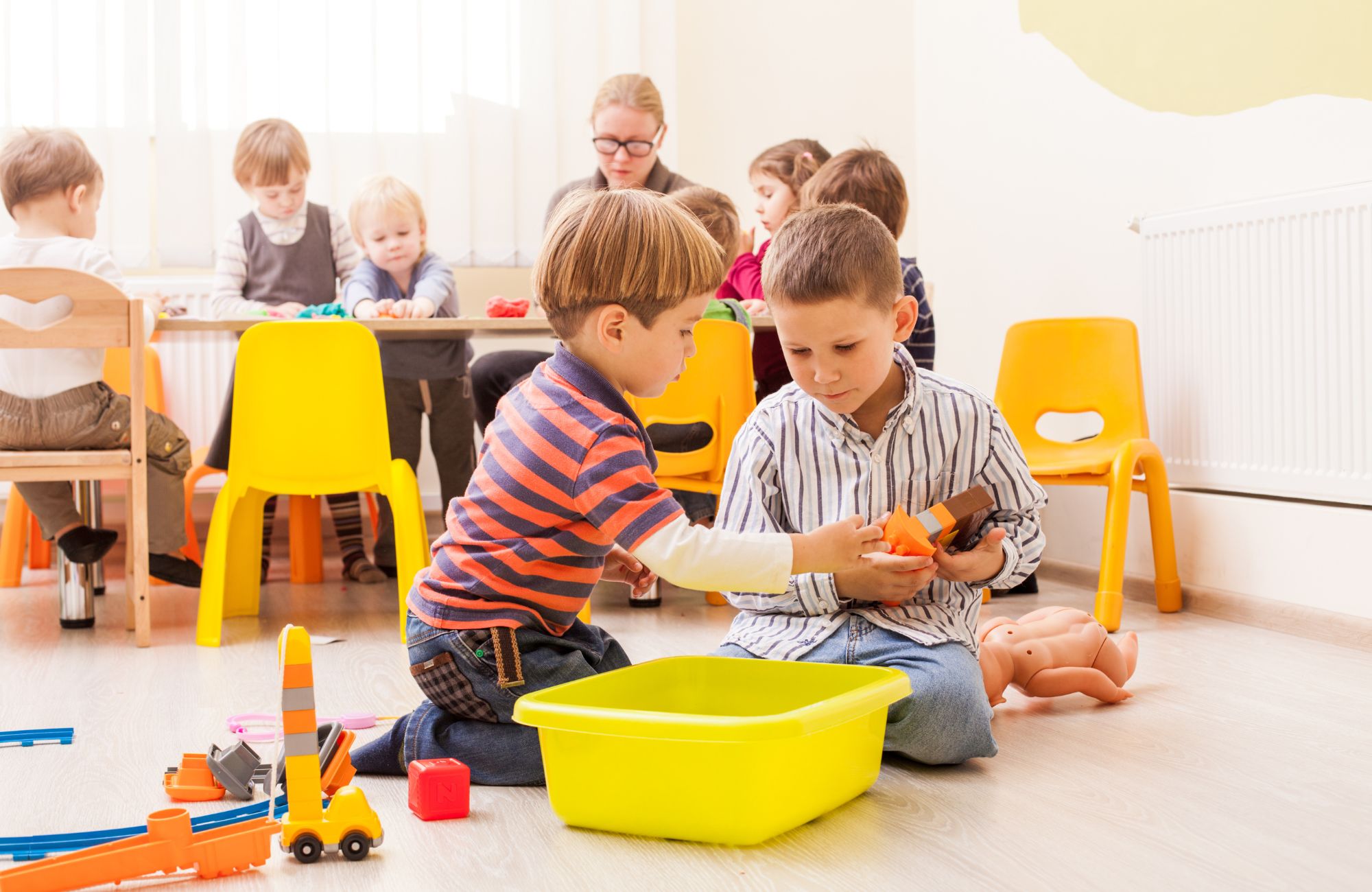
Autism Group Social Skills Activities for Kids: 10 Practical Ideas
Practical, evidence-informed autism group social skills activities, including turn-taking games, cooperative building, and role-play, that give children real chances to practice communication, teamwork, and emotional regulation. Discover how to adapt each activity for different communication styles and sensory needs, plus how in-home ABA therapy in West Orange helps these skills carry over into everyday life.
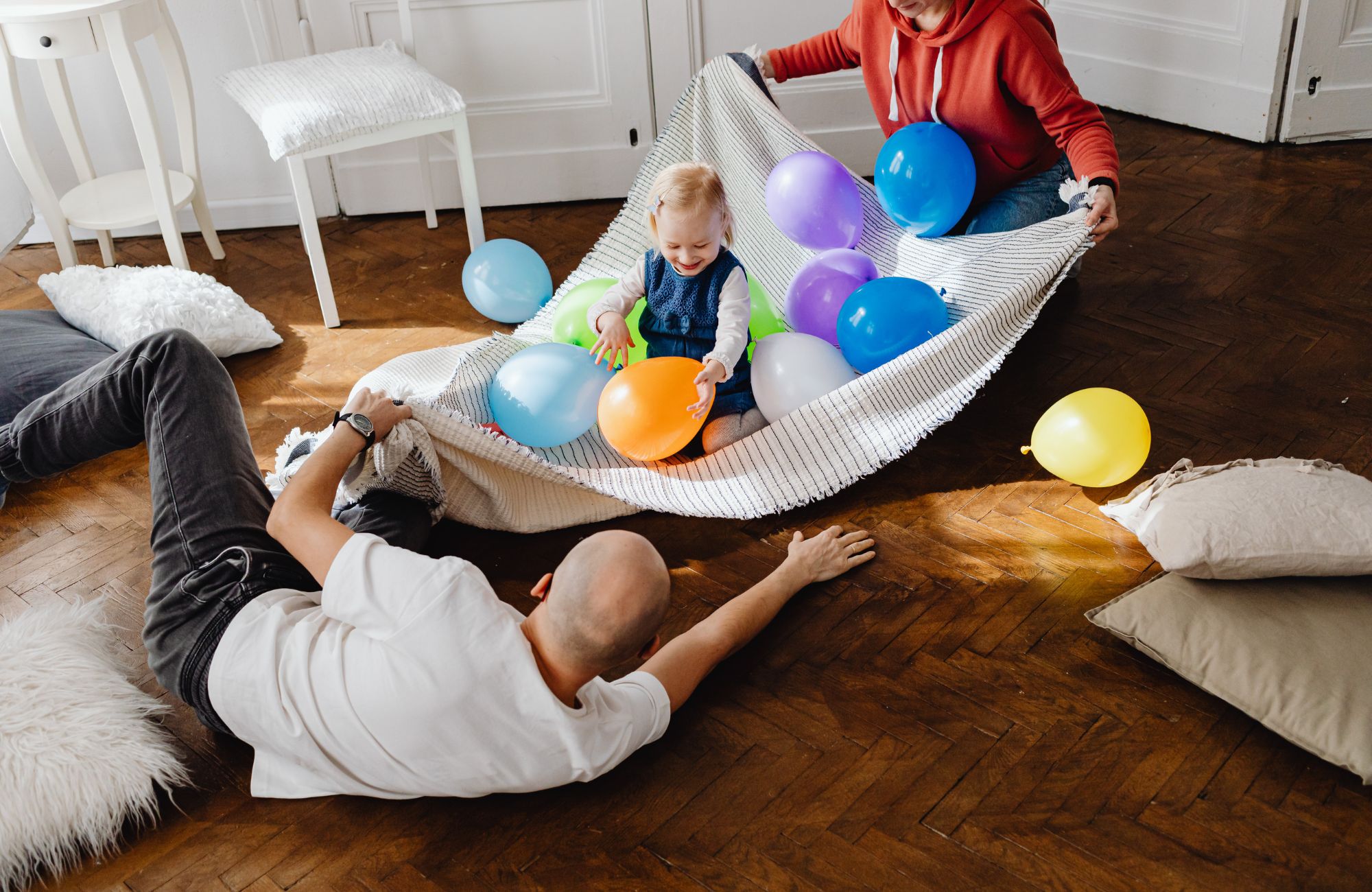
Autism Pretend Play Activities for Home
Autism pretend play activities are simple games that use toys, household objects, or familiar routines to create imagined situations. Examples

Autism Emotional Regulation Strategies for Children at Home
Autism emotional regulation strategies use visual supports, predictable routines, sensory adjustments, and simple communication tools to help children recognize their feelings and recover from overwhelm. Backed by research and BCBA-guided practice, these approaches give parents realistic, evidence-based ways to support their child before, during, and after difficult moments at home.

Teaching Following Directions in Autism at Home
Teaching following directions works best when parents start with clear words, simple routines, visual supports, and patient practice. Instead of forcing compliance, the goal is helping the child understand directions, respond safely, and build independence one step at a time. Short, concrete language like “shoes on” reduces cognitive overload far more effectively than long explanations. When paired with immediate reinforcement, this approach helps children connect words to real actions in a way that lasts.

Video Modeling for Autism Examples at Home
Video modeling for autism can help children learn daily routines, communication skills, and social interactions by watching a short, clear demonstration before practicing. Rather than relying only on verbal instructions, this approach gives children a concrete example of what a skill looks like from start to finish. A strong video model focuses on one observable skill at a time, such as washing hands or asking for help, so progress stays easy to track. When paired with practice in the same setting where the skill will actually be used, video modeling can support real, lasting independence.

Teaching Answering Questions Autism Using ABA Strategies
Teaching an autistic child to answer questions works best when instruction starts with what the child already understands and builds gradually from there. Many ABA programs introduce one question type at a time, such as yes/no or “what” questions, before moving to more abstract forms like “why” or “how,” using prompting, reinforcement, and repeated practice across daily routines. Because children process questions differently, from struggling with echolalia to needing extra response time, therapists individualize the pace and method rather than following a fixed script, helping skills transfer naturally to home, school, and community settings.

