
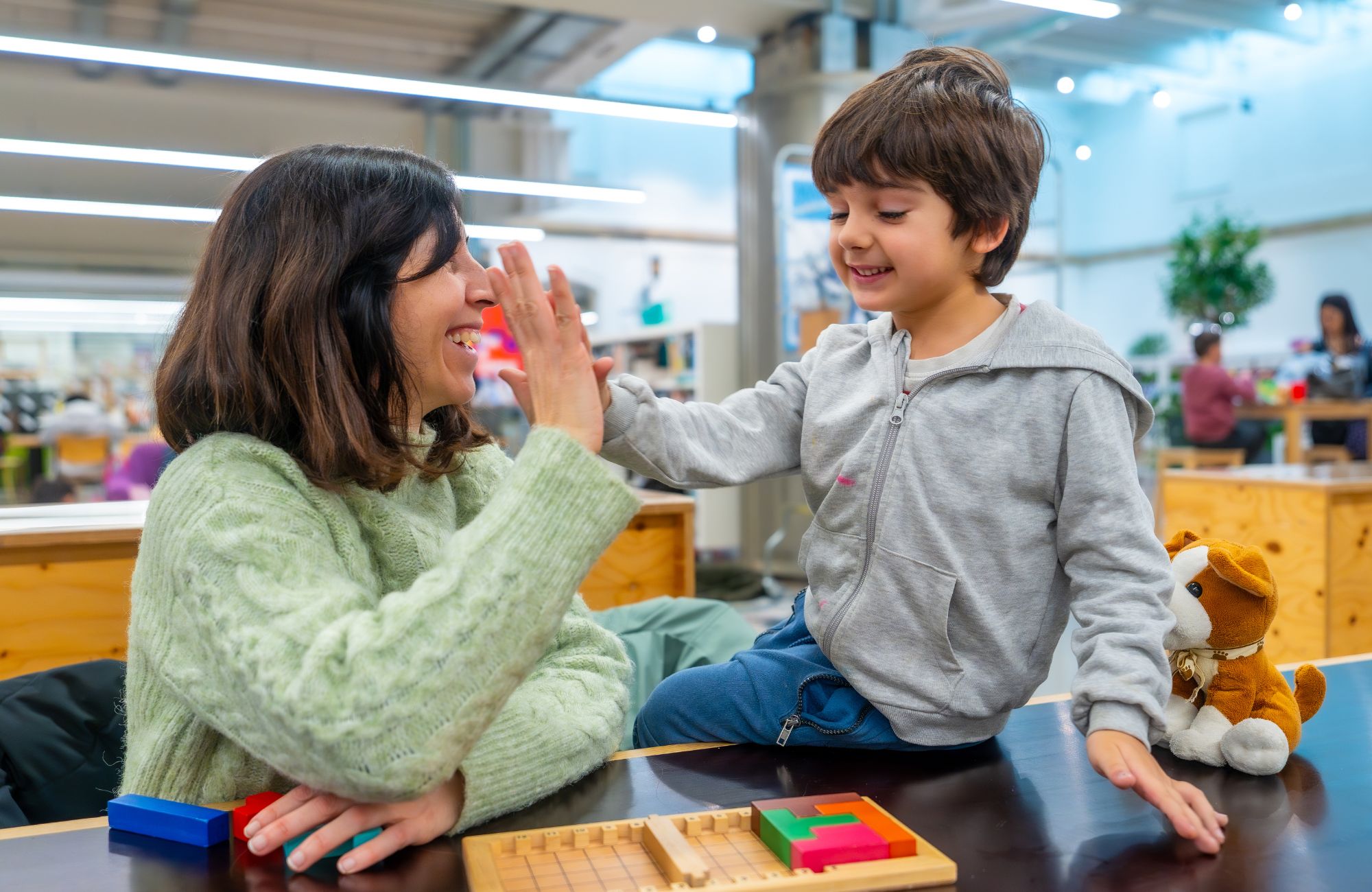
Differential Reinforcement Techniques for Autism
Differential reinforcement techniques for autism use positive reinforcement to encourage desirable behaviors while reducing challenging ones. By identifying the purpose of a behavior and teaching a functional replacement, children learn more appropriate ways to communicate and interact. Methods like reinforcing alternative behaviors, incompatible behaviors, or the absence of problem behaviors help children make meaningful progress. When practiced consistently at home through ABA therapy, these strategies improve communication, social skills, and daily living, leading to long-term behavioral change.

Autism Joint Attention Activities at Home
Autism joint attention activities help children build communication, social skills, and shared focus by encouraging them to notice, respond to, and engage with others. Simple home activities, such as imitation play, peek-a-boo, rolling a ball, and reading books together, provide opportunities to practice eye contact, gestures, and turn-taking. With consistent practice and structured strategies, these activities support early language development, strengthen relationships, and improve everyday social interaction.

Teaching Safety Skills to Autistic Child at Home
Learn how teaching safety skills to autistic children can build awareness, independence, and confidence through structured, step-by-step strategies. This guide covers essential safety skills, real-life examples, and how ABA therapy and in-home support help children practice and apply safety behaviors consistently in everyday situations.

Response Interruption and Redirection: Autism
Learn how response interruption and redirection autism works as an effective ABA strategy to reduce interfering behaviors while teaching functional alternatives. This guide explains how the approach supports communication, engagement, and daily routines through real-life examples, step-by-step methods, and the benefits of in-home ABA therapy for consistent, long-term progress.
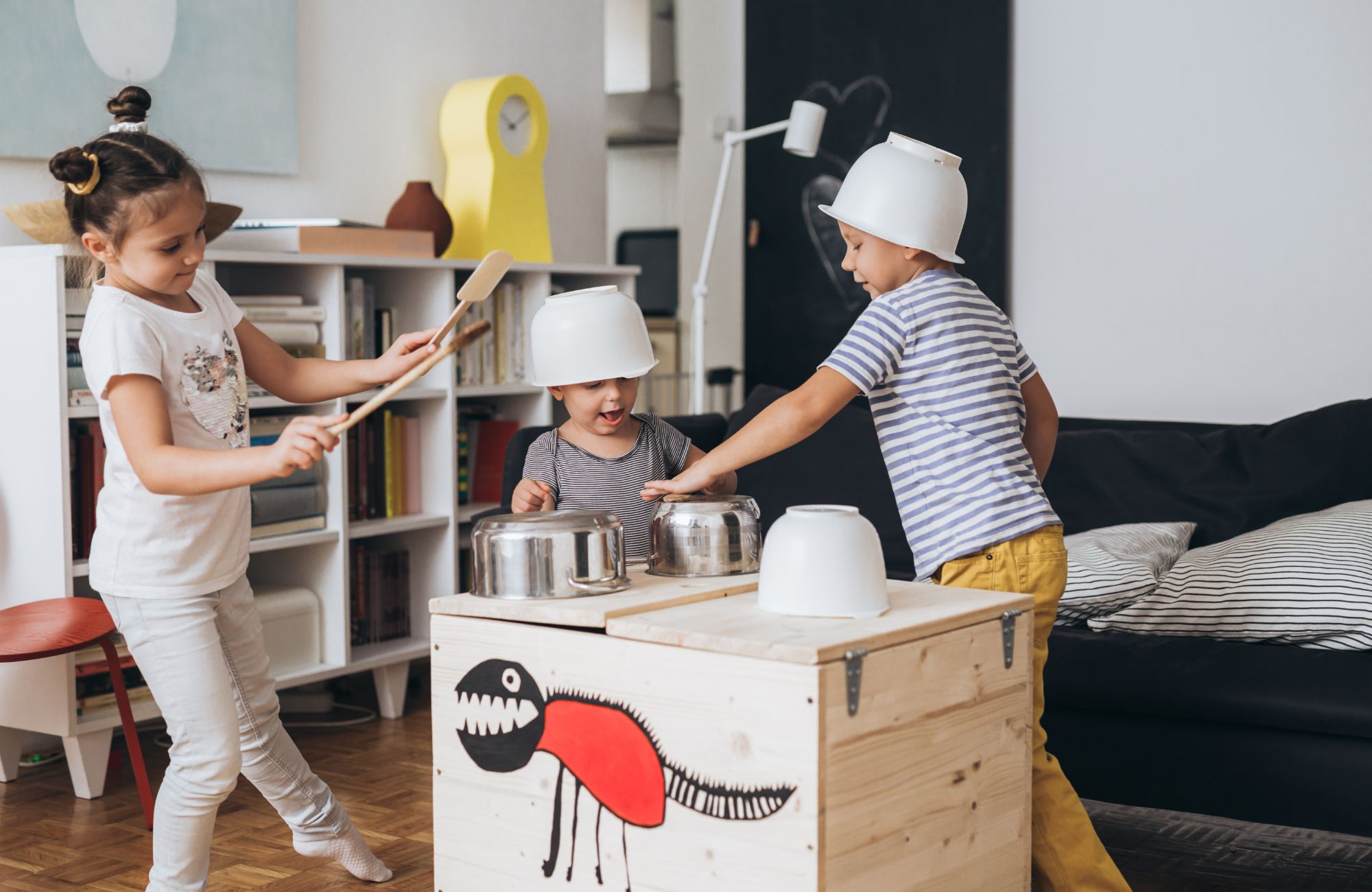
Autism Play Skills Development: A Parent’s Guide
Learn how autism play skills development helps children build communication, social interaction, and everyday life skills through structured support and step-by-step teaching. This guide explains why play may look different in children with autism, how ABA therapy supports skill development, and how in-home therapy helps children grow in a familiar environment while building confidence and independence over time.

Chaining Technique in ABA Therapy: Parent Guide
The chaining technique in ABA therapy is a structured method that helps children with autism learn complex daily routines by breaking them into smaller, manageable steps, allowing them to build independence gradually through consistent practice and reinforcement.

Picture Exchange Communication System Autism (PECS)
The Picture Exchange Communication System (PECS) is a structured, evidence-based approach that helps children with autism communicate by exchanging picture cards to express needs, build language skills, and develop more independent, functional communication over time.

Autism Self-Care Skills Checklist for Daily Independence
An autism self-care skills checklist helps parents and caregivers teach daily living skills like hygiene, dressing, eating, and routines by breaking tasks into simple steps, making it easier for children to build independence, confidence, and consistency in their everyday lives.
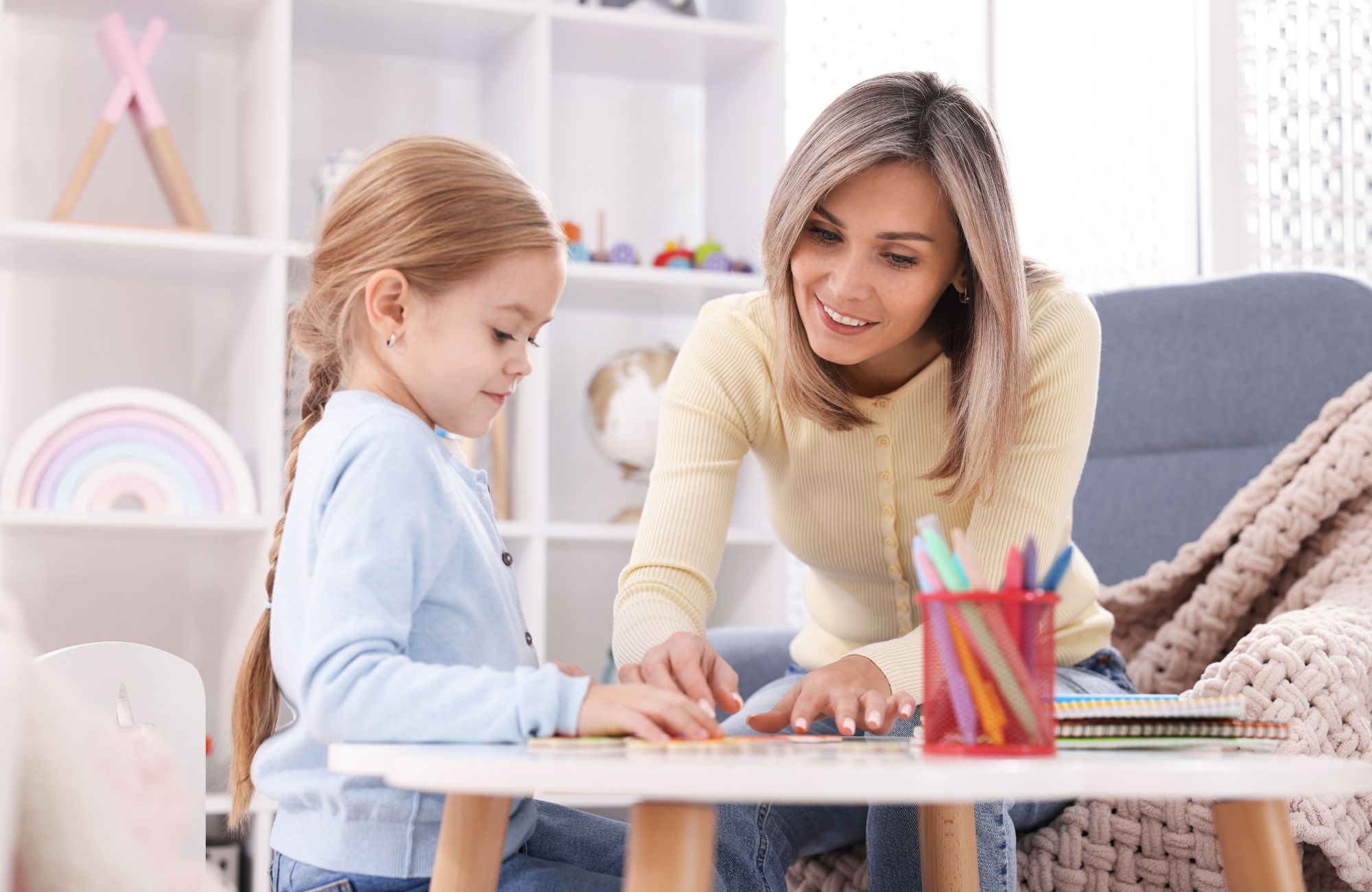
How to Teach Imitation Skills to Autistic Child
Teaching imitation skills to an autistic child helps build the foundation for communication, social interaction, and everyday learning. By encouraging children to copy simple actions, sounds, and facial expressions, caregivers can support language development, play skills, and independence. With consistent practice and structured strategies such as modeling, prompting, and positive reinforcement, children with autism can gradually develop imitation skills that strengthen overall development.

