
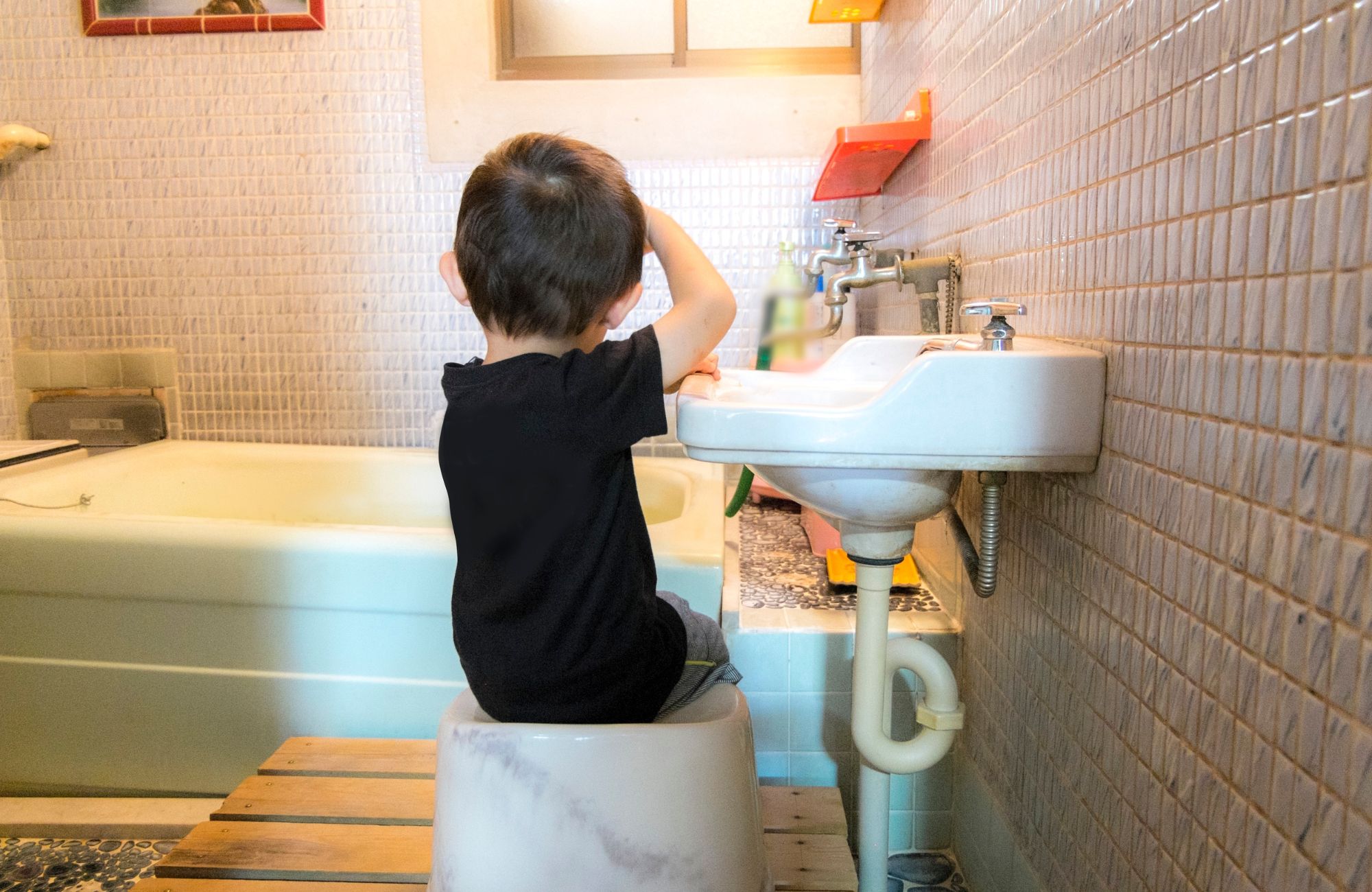
Backward Chaining Autism Toilet Training Guide
Backward chaining autism toilet training is a step-by-step method that helps children learn toileting by starting with the final step, such as hand washing, and gradually building backward through the routine. This approach allows children to experience success early, build confidence, and develop independence without feeling overwhelmed, making toilet training more manageable and effective for families.
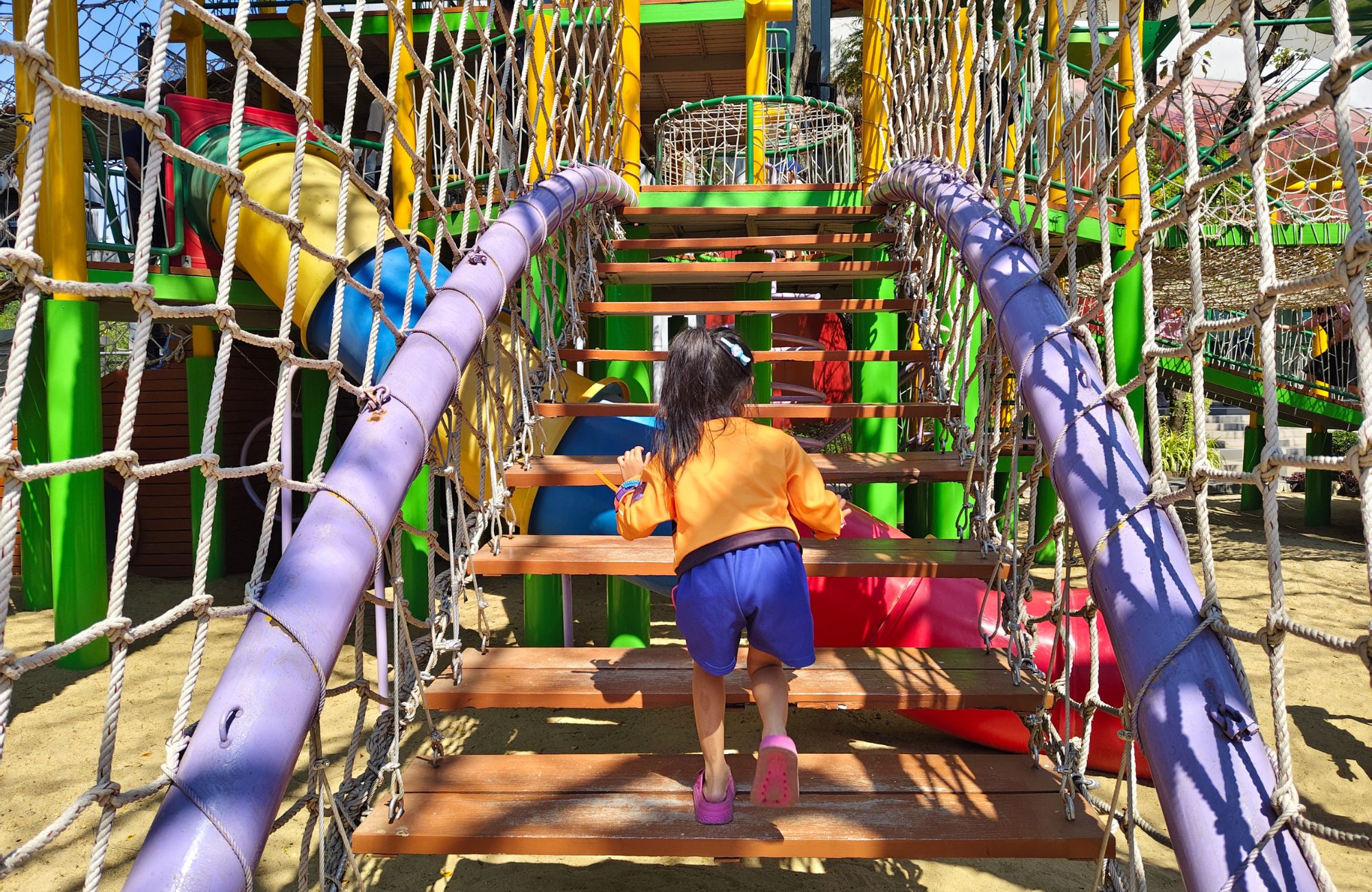
Natural Environment Teaching Autism: How NET Works in Real Life
Natural environment teaching (NET) is an ABA approach that helps children with autism learn communication, social, and daily living skills through real-life activities like play, meals, and routines. By using natural situations and immediate, meaningful reinforcement, NET makes it easier for children to apply what they learn in everyday life, leading to faster skill development and better long-term outcomes.
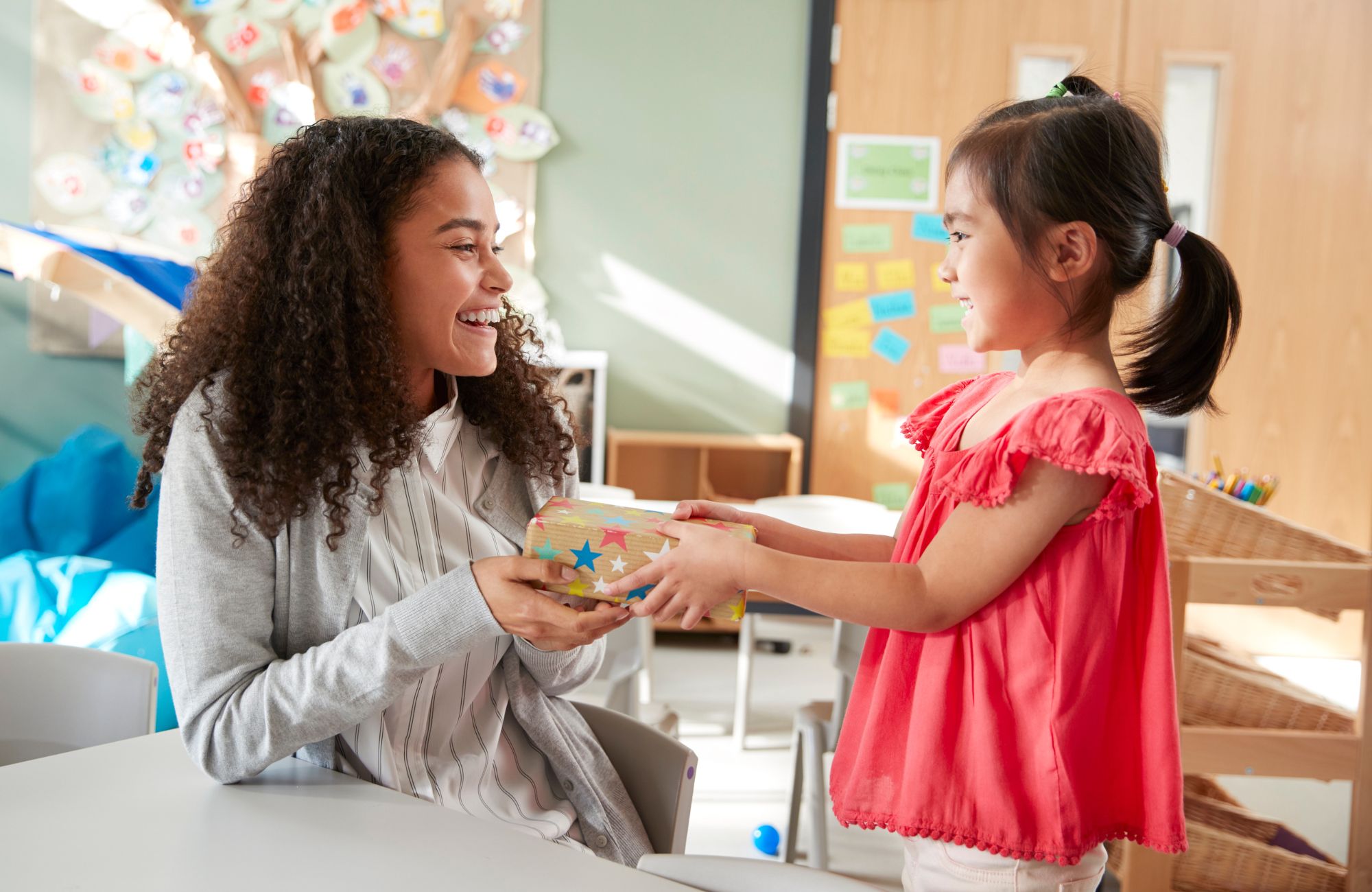
15 Token Board Ideas for Autism at Home
Token board ideas for autism provide a simple, visual way to motivate children by rewarding positive behaviors and completing daily tasks. By using small, achievable goals and meaningful rewards, parents can help their child stay engaged, reduce frustration during routines, and build independence through consistent, step-by-step progress at home.
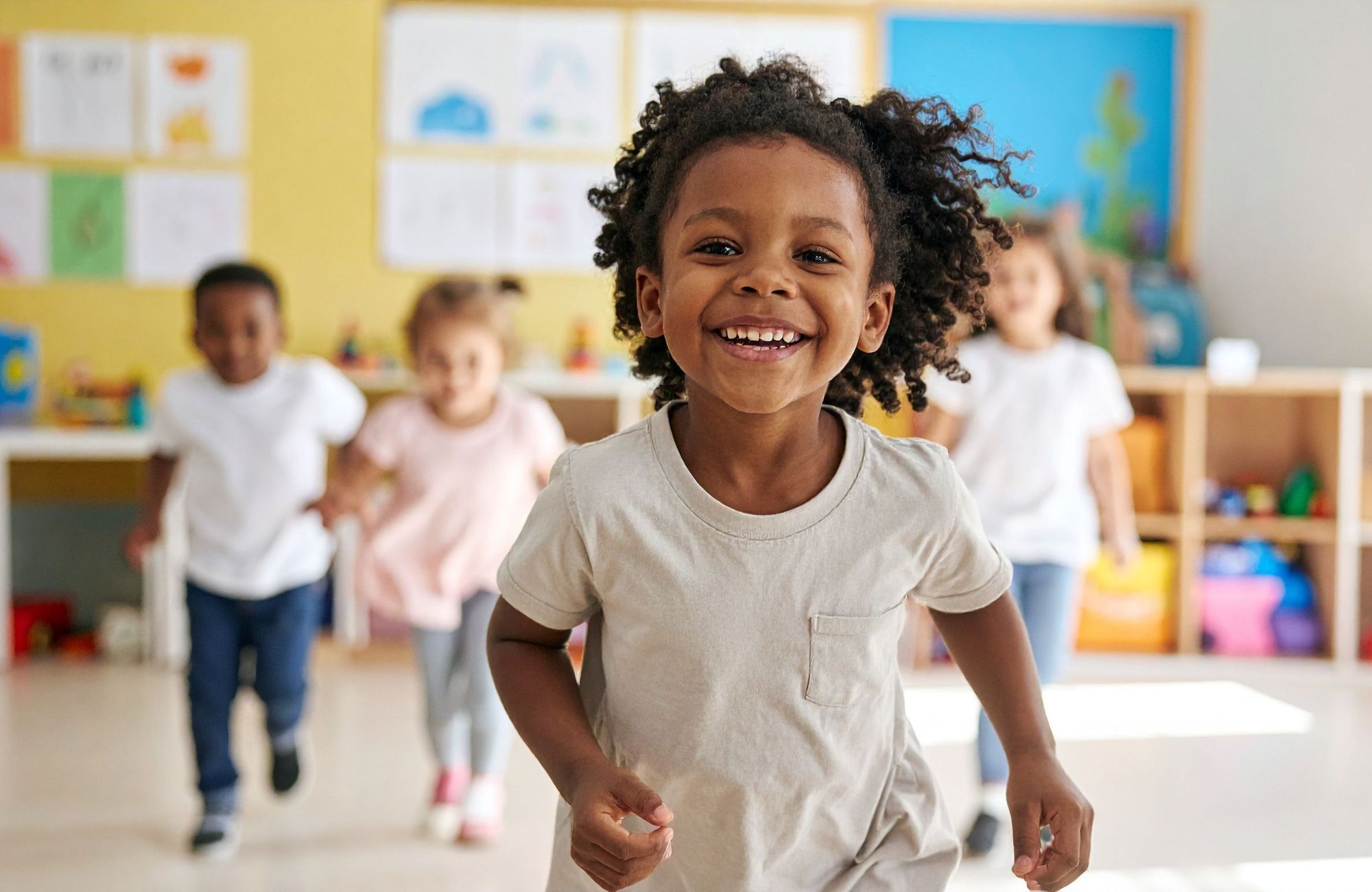
Autism School Readiness Skills for Kindergarten
Autism school readiness skills focus on building communication, routines, emotional regulation, and independence so children can feel confident and comfortable in preschool or kindergarten. By practicing skills like following directions, transitioning between activities, asking for help, and participating in group settings, families can help reduce stress, improve behavior, and support a smoother transition into the classroom environment.
Teaching Expressive Language Autism
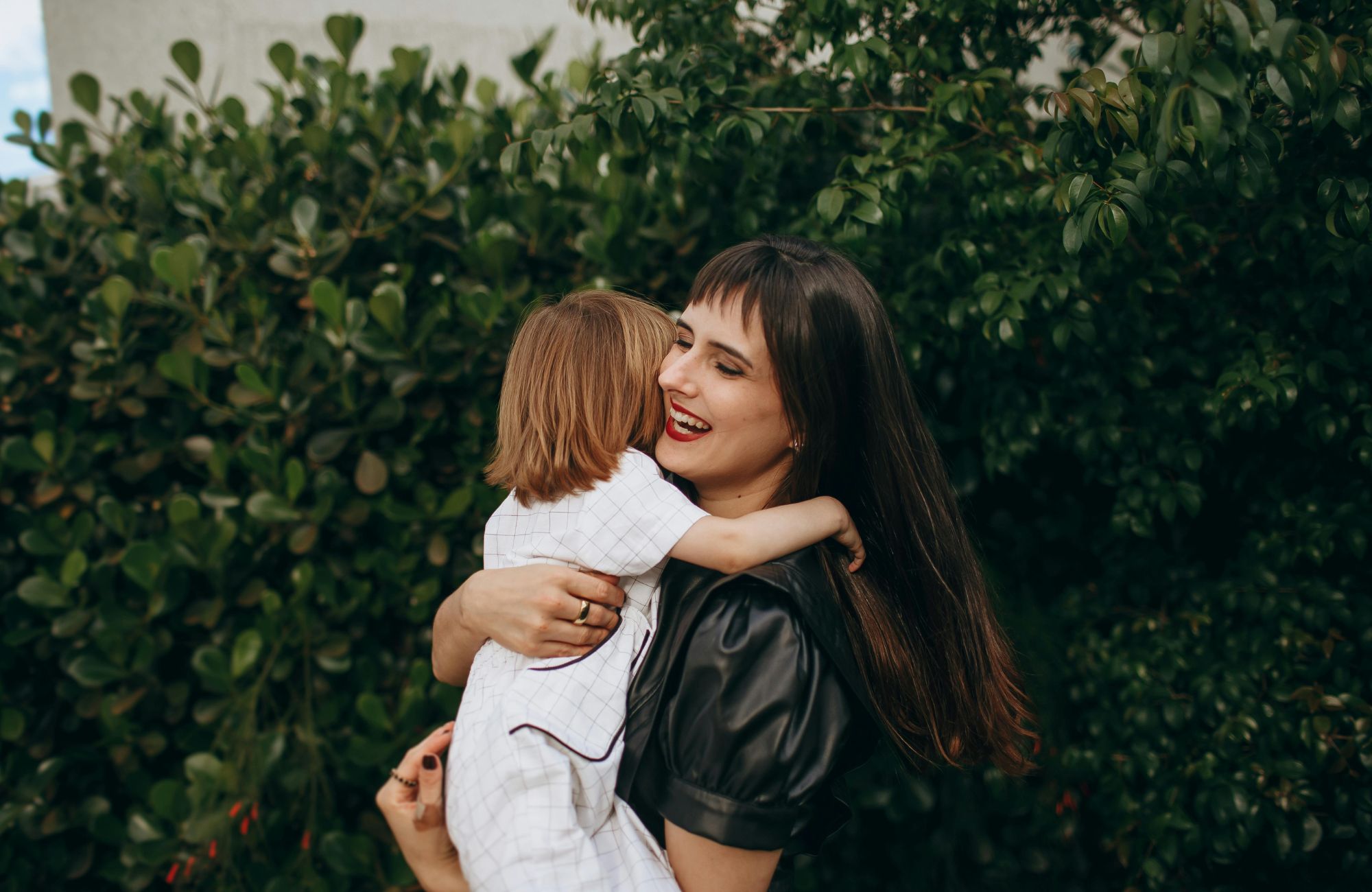
Teaching expressive language in autism focuses on helping children communicate their wants, needs, and ideas using words, gestures, or alternative tools. With consistent practice, simple modeling, and positive reinforcement during everyday routines, children can gradually build communication skills that reduce frustration, improve behavior, and support greater independence at home and in social settings.
Autism and Food Selectivity Tips That Work
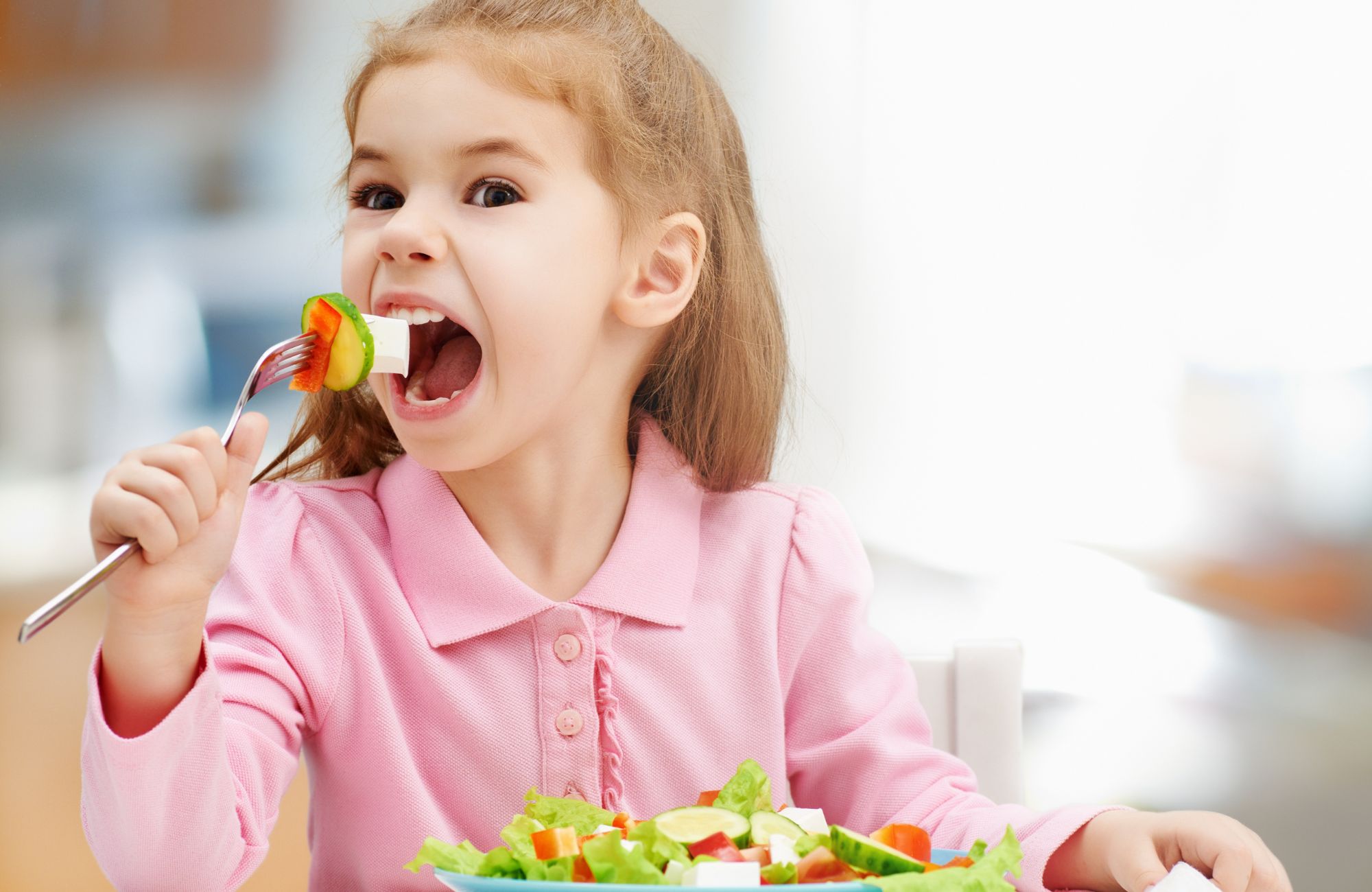
Autism and food selectivity tips help parents manage picky eating by addressing sensory sensitivities, routines, and behavioral patterns that affect a child’s diet. With strategies like gradual food exposure, positive reinforcement, and consistent mealtime routines, many children can expand their food choices and develop healthier eating habits over time.
Autism Community Skills Training for Real-Life Skills
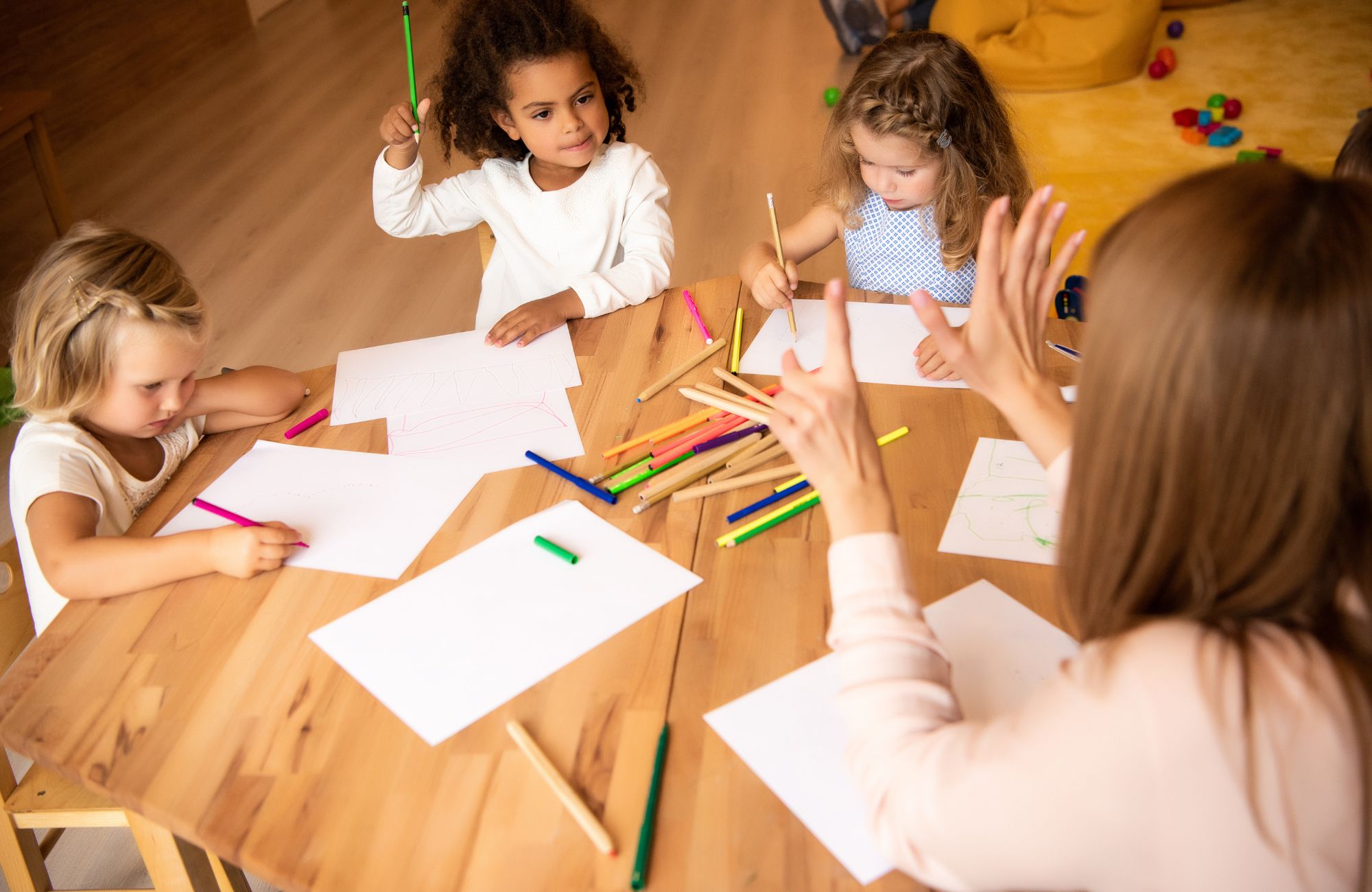
Autism community skills training helps children develop real-life abilities like communication, social interaction, and daily routines so they can function more independently in everyday environments. Through structured ABA therapy and real-world practice at home and in public settings, children learn how to navigate social situations, follow routines, and build confidence over time.
Teaching Receptive Language to Autistic Child at Home
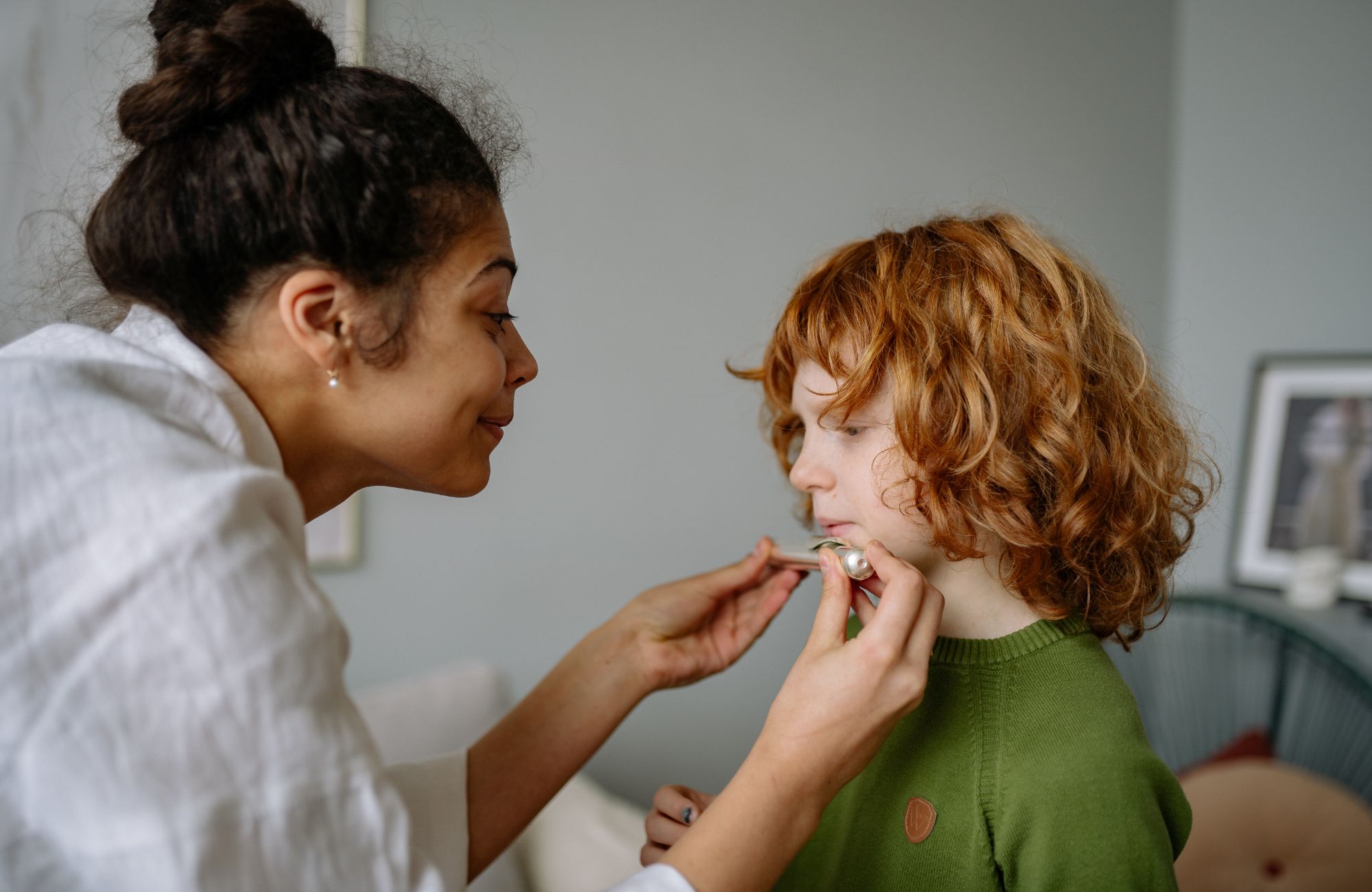
Teaching receptive language to an autistic child focuses on helping them understand words, directions, and communication through structured, consistent practice. Using simple instructions, visual supports, and everyday routines, parents can build foundational listening skills that improve communication, behavior, and independence over time.
Functional Behavior Assessment for Autism
A functional behavior assessment for autism helps identify the underlying reasons behind a child’s challenging behaviors by analyzing triggers, patterns, and outcomes. Instead of focusing only on what the behavior looks like, this structured process uncovers why it happens, allowing therapists to create targeted, personalized intervention plans. As a key part of Applied Behavior Analysis (ABA), an FBA supports more effective strategies, improved communication, and long-term behavior change—especially when conducted in the child’s natural home environment.

